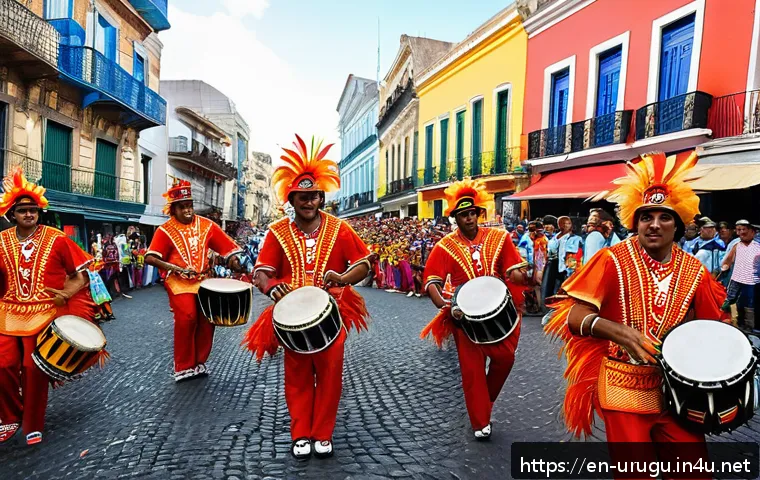
Uruguay’s role in international society is built on multilateral diplomacy, regional cooperation, and a long-standing preference for international law and peaceful dispute resolution.
Its most important connections include Mercosur, the United Nations, the Organization of American States, the World Trade Organization, and institutions based in Montevideo.
For students, travelers, and businesses, these memberships provide useful context, but they do not automatically create visa, tariff, licensing, or market-entry rights.
Uruguay can be a practical case study for people comparing South American study options, regional trade frameworks, or international business research services.
The key is to separate broad institutional access from the specific rules that apply to an individual program, trip, shipment, or company.
At a Glance
- Regional cooperation: Uruguay is a founding member of Mercosur, the South American trade bloc established in 1991.
- Global diplomacy: It participates in the United Nations, the OAS, CELAC, and the WTO.
- Practical relevance: These connections matter for trade research, study planning, travel preparation, and regional business decisions.
| Connection | What It Represents | Practical Question to Ask |
|---|---|---|
| Mercosur | Regional economic cooperation | Does the relevant product, service, or business activity receive any applicable regional treatment? |
| United Nations | Multilateral diplomacy, peace, human rights, and sustainable development | Is the topic best understood through international cooperation rather than a bilateral relationship? |
| OAS and CELAC | Hemispheric and Latin American political dialogue | Which regional institutions are most relevant to the policy or research topic? |
| Montevideo institutions | Regional coordination and integration | Can institutional sources in Montevideo improve a research, academic, or market-entry plan? |
Uruguay’s International Role at a Glance
Uruguay’s international role is larger than its geographic size might suggest because it works through multilateral institutions. Rather than relying only on direct relationships with larger states, Uruguay participates in regional and global forums where trade, peace, human rights, and sustainable development are discussed collectively. This approach gives the country a visible place in international society while keeping diplomacy connected to established rules and institutions.
Three Key Takeaways for Regional and Global Engagement
First, Uruguay is closely tied to South American regional cooperation through Mercosur. Second, it engages globally through the United Nations and the World Trade Organization. Third, Montevideo has institutional importance because it hosts both the Mercosur Secretariat and the Latin American Integration Association. For researchers and travelers, this means Uruguay is not simply a national destination; it is also part of a wider regional network.
Why a Small Country Can Have Influence Through Multilateral Institutions
A country does not need to be large to have a meaningful diplomatic profile. Participation in organizations with shared procedures can create opportunities to support principles such as democratic institutions, international law, and peaceful dispute resolution. Uruguay’s foreign-policy identity has generally been associated with these themes. Still, institutional participation should not be confused with control over every regional outcome, especially when negotiations involve multiple governments and changing priorities.
The Main Institutions Shaping Uruguay’s Global Connections
Uruguay’s global links can be understood through a few major institutions. Each serves a different function: Mercosur focuses on regional economic cooperation, the United Nations provides a global diplomatic setting, and organizations such as the OAS and CELAC connect Uruguay to broader political dialogue in the Americas and Latin America.
Mercosur and Regional Economic Cooperation
Uruguay is a founding member of Mercosur, established in 1991. For companies considering South American trade, Mercosur is often the first regional framework to examine. It can be relevant when comparing supply chains, export destinations, commercial partnerships, and regional market research.
However, Mercosur membership is not a shortcut around due diligence. A business should still check the terms that apply to its specific goods or services, as well as local registration, licensing, documentation, and compliance requirements. The outcome and timing of ongoing trade negotiations may also change, so a current official review is important before making a commercial decision.
The United Nations, the OAS, and Rules-Based Diplomacy
Uruguay is a member of the United Nations and takes part in multilateral diplomacy involving peace, human rights, and sustainable development. It is also a member of the Organization of American States and the Community of Latin American and Caribbean States. These memberships reflect Uruguay’s connection to both global and regional policy discussions.
For students of international relations, this offers a useful research lens: compare what each institution does rather than treating all memberships as interchangeable. The United Nations has a global scope, while the OAS and CELAC relate more directly to regional and hemispheric dialogue. Their practical effects vary by issue, mandate, and current political context.
Montevideo as a Regional Institutional Hub
Montevideo hosts the Mercosur Secretariat and the Latin American Integration Association. This gives the city a practical institutional role in regional cooperation. Academic researchers, policy readers, and international business teams may find that Uruguay is a useful location for studying how Latin American integration is organized.
Hosting an institution does not mean every commercial or administrative matter can be handled through that body. Travelers, students, and companies should distinguish between regional organizations and the national authorities responsible for entry rules, permits, education arrangements, or business operations.
Comparing Trade, Diplomacy, and Market-Access Value
Uruguay’s memberships can add context to a market-entry or trade plan, but they should be treated as starting points for comparison, not final answers. A sound assessment separates regional opportunity from the requirements of a specific transaction or project.
What Mercosur Membership Can Mean for Businesses and Exporters
Mercosur can be relevant to businesses that are comparing Uruguay with other South American locations. It may influence how a company frames its regional strategy, identifies potential partners, or evaluates trade-related research. It can also be useful for exporters trying to understand the regional environment in which Uruguay operates.
A practical approach is to compare Mercosur access alongside other factors: the intended customer market, product classification, distribution model, local regulations, and the need for professional market research. For a small first project, basic official research may be enough. For a larger commitment, tailored trade advice or business advisory services may help clarify assumptions before resources are committed.
What It Does Not Guarantee: Tariffs, Licensing, Visas, or Local Compliance
Regional membership does not automatically guarantee a tariff result, a visa, a business license, or permission to operate locally. These matters can depend on the individual case and should be checked with the relevant official institution or qualified adviser. The same caution applies to travel documentation and study eligibility.
This distinction is especially important for first-time visitors and businesses entering South America. A regional agreement may be relevant, but it is not a substitute for checking current entry requirements, local compliance obligations, or the conditions attached to a university program or commercial activity.
When Professional Market Research or Trade Advice May Be Worth the Cost
Professional support may be worth considering when a decision involves several markets, a regulated activity, a significant supply arrangement, or uncertainty about local partners. A market-research provider can help organize questions about demand, competition, distribution, and regulatory exposure. Trade or business advisory support can be useful when the issue is more operational.
Before choosing a service, ask what sources it uses, whether it distinguishes confirmed information from assumptions, and whether the work is designed for academic research, travel planning, or actual market entry. Clear scope and transparent deliverables matter more than broad promises.
Peacekeeping, Human Rights, and International Cooperation
Uruguay’s international profile is not limited to trade. Its participation in peacekeeping, engagement with human rights issues, and involvement in sustainable development discussions are also central to how it operates in international society.
Uruguay’s Participation in UN Peacekeeping
Uruguay has contributed personnel to United Nations peacekeeping operations, including long-running participation in missions in Haiti. This contribution is one practical example of engagement with collective international security efforts. It also shows that Uruguay’s UN role has included action as well as diplomatic participation.

The precise current scale of deployments can change. Anyone citing present personnel levels, mission assignments, or operational details should verify the latest information through official UN or Uruguayan sources rather than relying on a general overview.
Human Rights and International-Law Commitments
Uruguay has generally maintained a foreign-policy identity connected with democratic institutions, human rights, international law, and peaceful dispute resolution. These themes help explain why multilateral forums are important to the country’s international approach.
For policy readers, it is useful to distinguish a general foreign-policy tradition from a position on any one current issue. Specific diplomatic statements can evolve with elections, regional negotiations, and changing international conditions. A careful research project should therefore review current official communications.
Climate, Energy, and Sustainable Development Cooperation
Uruguay participates in multilateral discussions that include sustainable development. Climate and energy questions are often international by nature because they involve cross-border goals, financing, technology, reporting, and cooperation. The country’s UN participation provides one setting for this engagement.
Students and researchers should avoid assuming that a broad climate commitment answers every project-level question. If the purpose is investment, education, or business planning, confirm the current rules and program conditions that apply to the specific activity.
Practical Considerations for Students, Travelers, and Businesses
Uruguay’s international connections can make it attractive for regional studies, travel, and business research. Still, the correct decision depends on personal objectives and current requirements, not on institutional membership alone.
Researching Study and Exchange Opportunities
Students should begin by identifying whether they need a degree program, a short exchange, language study, or research access. Compare the academic focus, teaching language, recognition of credits, support services, and official eligibility conditions. Uruguay’s role in regional institutions may be especially relevant for learners focused on Latin American integration, diplomacy, or international development.
When comparing study-abroad programs, look for official admissions information, clear academic expectations, and realistic details about housing, insurance, and documentation. Program costs, eligibility rules, and visa conditions must be confirmed directly with the relevant institution and authorities.
Travel Documentation, Insurance, and Local Entry Requirements
Travelers should treat Uruguay’s regional links as background information, not travel authorization. Entry documentation, permitted length of stay, health coverage expectations, and other conditions can depend on nationality and purpose of travel. Check the official guidance that applies to your passport and itinerary before booking non-refundable arrangements.
When comparing travel insurance, focus on the scope of cover, exclusions, assistance process, and whether the policy fits the activities planned. Read the policy wording instead of selecting a plan based only on a headline description.
Business Due Diligence: Regulations, Partners, and Currency Risk
Businesses evaluating Uruguay should begin with a clear question: are they researching a regional opportunity, selling into one market, forming a partnership, or establishing an operational presence? Each path requires different information. Mercosur may be relevant to the regional context, while local rules and partner screening remain essential for actual execution.
Due diligence should include current regulatory research, clear partner verification, and an assessment of currency-related exposure where relevant. Do not assume that a regional trade framework resolves contractual, licensing, tax, banking, or operational questions. For high-stakes decisions, qualified local and professional advice may be appropriate.
Selection Criteria and Comparison Summary
Before choosing a study program, travel plan, market-research provider, or business advisory service, use a simple decision checklist:
- Define the goal: academic research, tourism, export planning, partner search, or operational market entry.
- Match the institution to the question: Mercosur for regional economic context, the UN for global cooperation, and national authorities for individual requirements.
- Verify current conditions: do not rely on general regional membership for visa, tariff, licensing, or eligibility assumptions.
- Compare service scope: ask whether travel insurance, study support, market research, or advisory work covers the precise decision you need to make.
- Check sources and limitations: confirm what is official, what is current, and what still requires specialist review.
For official requirements and detailed terms, check the relevant institution’s information page before making a booking, application, shipment, or business commitment.
Conclusion
Uruguay’s place in international society rests on a combination of regional cooperation and multilateral engagement. Mercosur, the United Nations, the OAS, CELAC, and the WTO provide different channels for trade, diplomacy, and policy cooperation. Montevideo’s role as a host city for regional institutions adds another layer of relevance. For most readers, the best approach is to use these connections as a research framework and then verify the rules that apply to their own plan.
Useful Information to Keep in Mind
Mercosur is not the same as automatic market access. It is a regional framework, while specific trade and operational conditions require separate confirmation.
Institutional membership and personal eligibility are different. Study admission, travel documentation, and business permissions are decided under the relevant current rules.
Montevideo has regional institutional value. Its role as host to the Mercosur Secretariat and the Latin American Integration Association may be useful for academic and policy research.
Important Notes
This overview does not determine current visa conditions, tariff treatment, licensing requirements, study costs, investment rules, or the status of ongoing Mercosur negotiations. Uruguay’s current peacekeeping deployment levels and future foreign-policy positions may also change. Confirm time-sensitive information with official institutions and, where appropriate, qualified advisers before acting.
Frequently Asked Questions
Q1. What is Uruguay’s most important role in international society?
A1. Uruguay’s role is best understood through its multilateral engagement. It is a founding member of Mercosur and participates in organizations including the United Nations, the OAS, CELAC, and the WTO. Its foreign-policy identity has generally emphasized democratic institutions, international law, and peaceful dispute resolution.
Q2. How does Mercosur membership affect trade or business opportunities in Uruguay?
A2. Mercosur provides a regional economic cooperation framework that can be relevant to trade planning, export research, and market comparison. It does not automatically determine tariffs, licensing, local compliance, or the ability to conduct a specific business activity. Businesses should verify the rules that apply to their particular product, service, and operating model.
Q3. Is Uruguay a suitable destination for international students, travelers, or companies entering South America?
A3. Uruguay may be worth considering for people interested in regional institutions, Latin American studies, travel, or South American market research. Suitability depends on the individual objective, current eligibility rules, travel documentation, academic requirements, budget, and business compliance needs. Check official information and compare services based on the specific decision you need to make.