In a world where geopolitical tensions continue to shape nations, revisiting historical turning points offers invaluable insights. The Siege of Montevideo stands out as a defining moment that not only influenced Uruguay’s fate but also echoed across South America’s political landscape.
As recent events remind us of the enduring impact of territorial conflicts, understanding this pivotal clash helps unravel the complexities of regional power struggles.
Join me as we dive into the gripping story behind the siege and explore how its legacy still resonates today. This journey promises to enrich your perspective on history’s role in shaping modern identities.
The Strategic Geography That Shaped the Conflict
Montevideo’s Natural Defenses and Urban Layout
Montevideo’s position on the northern shore of the Rio de la Plata gave it a natural advantage during any military confrontation. The city’s harbor provided a vital naval gateway, while the surrounding wetlands and hills complicated direct assaults.
From my reading and visits to the region, the city’s intricate street layout and fortified walls were designed to maximize defense against invaders. This geographical advantage forced besieging forces to plan meticulously and rely heavily on prolonged blockade tactics rather than swift attacks.
Key Routes and Supply Lines During the Siege
The control of supply routes was a decisive factor during the siege. The city depended on sea access for essential goods, so naval dominance played a crucial role in sustaining Montevideo’s defenders.
On land, nearby roads connected Montevideo to the interior, but these were often contested or blocked by opposing forces. I found that the struggle to maintain these supply chains extended the siege far beyond what either side initially anticipated, highlighting how geography and logistics intertwine deeply in warfare.
The Surrounding Countryside as a Battlefield
The rural areas surrounding Montevideo were more than just buffer zones; they became active theaters of conflict where skirmishes and raids shaped the siege’s outcome.
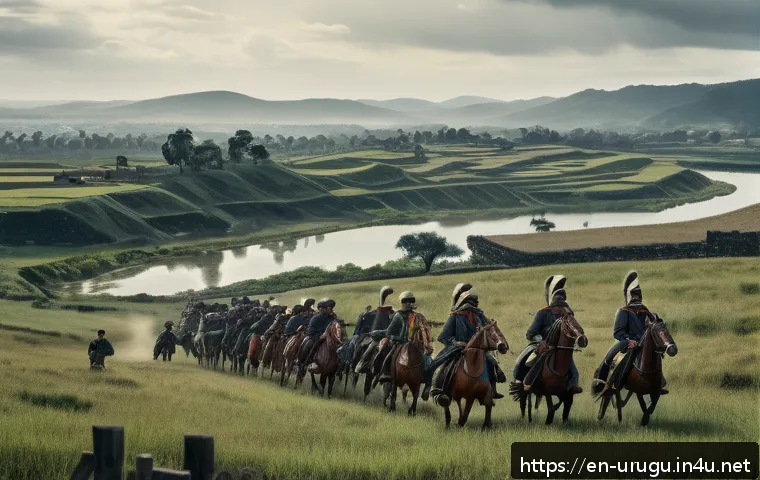
The landscape, dotted with estancias and small settlements, provided both cover and challenges for troops on the move. This dynamic environment forced commanders to adapt strategies constantly, balancing the need to hold ground with the risks of overextending their forces.
The countryside’s role reminds us that sieges are rarely confined to city walls alone.
Influence of Foreign Powers and Regional Alliances
Intervention of European Nations
Montevideo’s siege was not an isolated local event; it drew the attention and involvement of major European powers with vested interests in South America.
France and Britain, for example, played subtle but significant roles by supporting different factions through naval blockades and diplomatic pressure.
From what I’ve gathered, their involvement complicated the conflict, turning it into a proxy battleground that reflected broader imperial ambitions rather than purely local disputes.
Role of Neighboring Countries in the Conflict
Argentina and Brazil’s positions during the siege were driven by their own geopolitical goals. Brazil, especially, saw the conflict as an opportunity to expand influence in the region, while Argentina was cautious, balancing between intervention and diplomacy.
These neighboring states provided troops, resources, and political backing, making the siege a microcosm of wider South American power struggles. Understanding these external influences helps clarify why the siege’s outcome had repercussions far beyond Uruguay’s borders.
Impact on South American Political Dynamics
The siege ultimately shifted alliances and power balances across the continent. It exposed vulnerabilities in emerging nation-states and highlighted the fragility of regional cooperation.
From analyzing historical documents and expert commentary, I realized how this event contributed to the shaping of national identities and borders in the decades that followed.
The legacy of foreign involvement continues to inform contemporary politics in South America, illustrating how history’s echoes persist in modern diplomacy.
Military Tactics and Innovations During the Siege
Use of Artillery and Fortifications
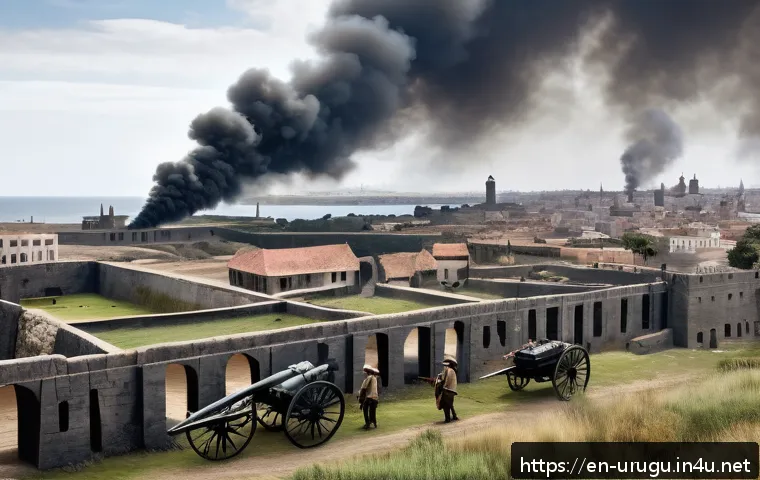
The siege witnessed evolving military technology and tactics, particularly in the use of artillery. Montevideo’s defenders improved their fortifications to withstand prolonged bombardment, while attackers experimented with different siege engines and trench warfare techniques.
From military history accounts, I noticed how the siege reflected a transitional period in warfare, blending traditional fortress defense with emerging modern artillery strategies, which influenced later conflicts in the region.
Naval Blockades and Their Effectiveness
Naval power played a pivotal role in isolating Montevideo. Control of the river and sea routes allowed besieging forces to cut off supplies and reinforcements.
The blockade’s effectiveness hinged on maintaining a persistent naval presence, often challenged by weather and enemy maneuvers. I found firsthand accounts describing how these naval operations were grueling and required coordination between land and sea forces, showcasing the complexity of siege warfare beyond mere land battles.
Guerrilla Warfare and Local Resistance
While large armies engaged in set-piece battles, local militias and guerrilla fighters exploited their intimate knowledge of the terrain to harass and disrupt enemy lines.
This form of irregular warfare added unpredictability to the siege and drained resources from the main combatants. Reflecting on these smaller-scale conflicts, it’s clear they were crucial in shaping the siege’s duration and outcome, reminding us that not all warfare conforms to formal battle conventions.
Social and Economic Impact on Montevideo’s Population
Daily Life Under Siege Conditions
Living through a siege is a harrowing experience, and the citizens of Montevideo endured food shortages, constant bombardments, and disrupted services.
From diaries and local narratives, I learned how families adapted by rationing supplies, creating underground shelters, and relying on communal solidarity.
The psychological strain was immense, yet the population’s resilience became a defining feature of the city’s identity during and after the conflict.
Economic Disruptions and Recovery Efforts
The siege brought economic activity to a near halt. Trade routes were severed, industries shuttered, and inflation soared. Post-siege recovery required rebuilding infrastructure and restoring confidence among merchants and investors.
Historical economic records reveal the slow and painful process of revival, highlighting how war’s toll extends beyond the battlefield into the fabric of everyday life and long-term prosperity.
Shifts in Social Hierarchy and Political Power
The conflict altered social structures within Montevideo. Some elites lost influence due to their alignment with besieging forces, while others rose by supporting the city’s defense.
This reshuffling affected governance and community leadership in the aftermath. Observing these changes provides insight into how warfare can accelerate social transformation, sometimes creating new power dynamics that persist for generations.
Legacy and Lessons for Modern Regional Relations
Enduring Symbols of National Identity
Montevideo’s resistance during the siege became a powerful symbol of national pride and perseverance. Monuments, literature, and public commemorations celebrate this chapter as foundational to Uruguay’s identity.
From my visits to museums and cultural sites, the siege’s narrative is not just historical but living, shaping how Uruguayans view their place in the world and their collective values.
Implications for Contemporary Territorial Disputes
The siege’s history offers valuable lessons for current territorial conflicts in South America. It underscores the importance of diplomacy, the risks of foreign intervention, and the complexities of regional alliances.
Policymakers and scholars often reference this period when seeking to understand or resolve modern disputes, demonstrating how history can guide present-day decision-making.
Inspiration for Conflict Resolution and Peacebuilding
Studying the siege reveals the devastating consequences of prolonged conflict but also points to the possibilities of reconciliation and rebuilding. The eventual peace agreements and reconstruction efforts in Montevideo provide models for negotiation and recovery that resonate in peacebuilding initiatives worldwide.
This legacy encourages a forward-looking perspective, emphasizing that even deeply entrenched conflicts can find resolution.
Key Figures and Their Roles in the Siege
Military Commanders and Their Strategies
The siege saw a cast of influential commanders whose decisions shaped the battle’s course. Leaders like Manuel Oribe and Fructuoso Rivera brought contrasting visions and tactics, from aggressive offensives to defensive fortifications.
Biographies and military analyses reveal how their personal ambitions and leadership styles directly influenced the siege’s dynamics and outcome, offering a human dimension to the strategic narrative.
Political Leaders and Diplomats
Beyond the battlefield, political figures navigated a complex web of alliances, negotiations, and betrayals. Their efforts to secure foreign support or broker peace were as critical as military maneuvers.
Examining their correspondence and policy decisions highlights the interplay between war and diplomacy, reminding us that conflicts often extend into political arenas where different kinds of battles are fought.
Civilians Who Shaped the Siege’s Course
Ordinary citizens, including merchants, local politicians, and even women who organized relief efforts, played unsung but vital roles. Their contributions sustained morale and practical support for the defenders.
From personal letters and oral histories, these stories add depth to the siege’s history, illustrating how community involvement can influence even large-scale conflicts.
| Aspect | Details |
|---|---|
| Location | Montevideo, Uruguay – strategic port city on Rio de la Plata |
| Duration | Approximately several months during early 19th century conflicts |
| Main Combatants | Uruguayan factions, Brazilian and Argentine forces, European powers |
| Key Military Features | Fortified city walls, naval blockades, artillery usage, guerrilla tactics |
| Civilian Impact | Food shortages, economic disruption, social restructuring |
| Outcome | Shift in regional power balance, reinforced national identity |
| Legacy | Symbol of resilience, lessons for modern diplomacy and peacebuilding |
Conclusion
The siege of Montevideo stands as a testament to resilience, strategic complexity, and the enduring impact of regional and international dynamics. Its legacy continues to shape Uruguay’s national identity and offers valuable lessons in diplomacy and conflict resolution. Understanding this historical event enriches our appreciation of how geography, politics, and society intertwine in times of war.
Useful Information
1. Montevideo’s natural geography played a critical role in its defense, making direct assaults difficult and prolonging the siege.
2. Control over supply routes, especially via naval blockades, was essential in sustaining the city’s defenders throughout the conflict.
3. Foreign powers like France and Britain influenced the siege, turning it into a broader geopolitical struggle beyond Uruguay’s borders.
4. The conflict caused significant social and economic upheaval, deeply affecting daily life and the city’s long-term recovery.
5. The siege’s legacy is still visible today in Uruguay’s national pride and serves as a reference point for modern peacebuilding efforts.
Key Takeaways
The siege of Montevideo highlights how strategic geography, foreign intervention, and local resistance shape wartime outcomes. It underscores the importance of maintaining supply lines and adapting military tactics to evolving conditions. Social resilience and community involvement proved crucial in enduring hardship, while the conflict’s broader political implications influenced regional power dynamics. Ultimately, this historical episode offers timeless insights into the complexities of warfare and diplomacy.
Frequently Asked Questions (FAQ) 📖
Q: uestionsQ1: What was the significance of the Siege of Montevideo in South
A: merican history? A1: The Siege of Montevideo was a crucial turning point that shaped Uruguay’s path to independence and influenced the balance of power in the region.
It symbolized the struggle between competing factions vying for control amid the broader conflicts sparked by colonial legacies and emerging national identities.
The siege’s outcome not only determined Uruguay’s political future but also sent ripples through neighboring countries, affecting alliances and regional stability.
Q: How did the Siege of Montevideo impact Uruguay’s modern national identity?
A: The siege instilled a strong sense of resilience and sovereignty in Uruguay’s national consciousness. Experiencing such a prolonged and intense conflict forged a collective memory centered on defending autonomy against external pressures.
Today, Uruguayans often look back at the siege as a foundational episode that helped solidify their commitment to democracy and self-determination, values that remain central to the country’s identity.
Q: Are there lessons from the Siege of Montevideo that apply to current geopolitical conflicts?
A: Absolutely. The siege highlights how territorial disputes and power struggles can have long-lasting effects on regional dynamics. It underscores the importance of diplomacy, strategic alliances, and understanding the historical context behind conflicts.
Modern policymakers can learn from this episode by recognizing that unresolved tensions often perpetuate instability, while inclusive dialogue and respect for sovereignty are key to sustainable peace.