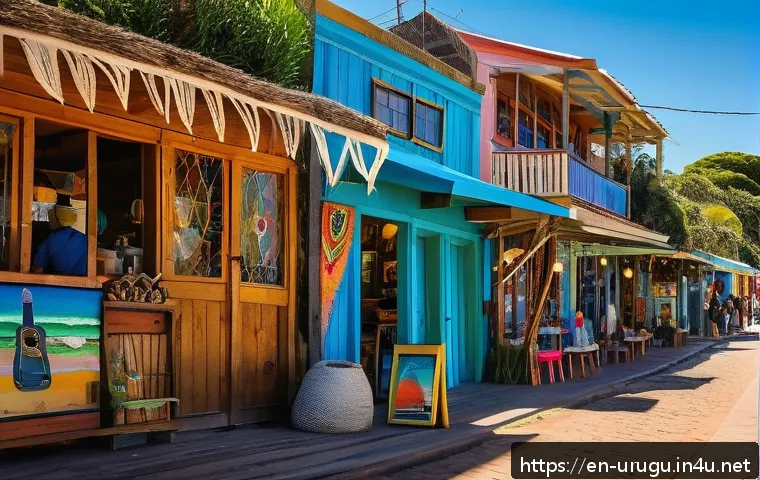
As more travelers seek off-the-beaten-path destinations, Uruguay has quietly emerged as a charming and safe option in South America. However, understanding the current safety landscape is crucial before packing your bags.
Recent shifts in local dynamics and traveler reports highlight what you need to know to enjoy your visit worry-free. Whether you’re strolling through Montevideo’s vibrant streets or exploring coastal gems, being informed can make all the difference.
Let’s dive into the essential safety tips and insights that will help you navigate Uruguay with confidence and ease.
Understanding Neighborhood Safety and Local Vibes
Montevideo’s Diverse Districts: Where to Stay and Explore
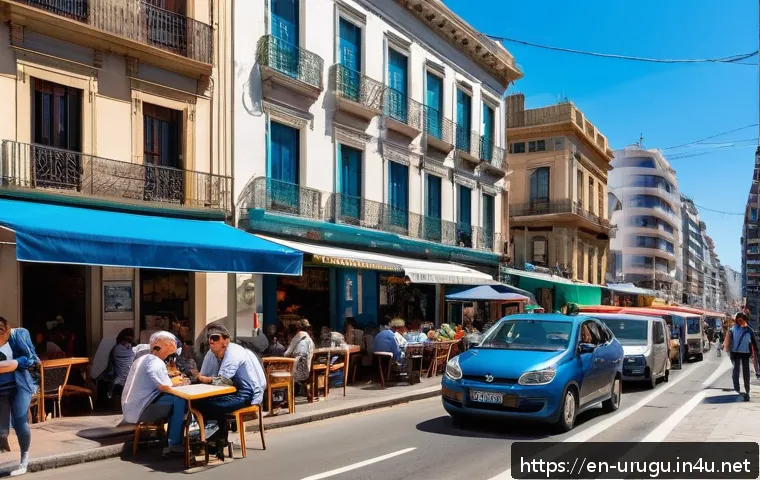
Montevideo is a city of contrasts, with neighborhoods that vary widely in atmosphere and safety. Areas like Ciudad Vieja and Pocitos are generally safe, bustling with tourists and locals enjoying cafes, markets, and waterfront views.
However, venturing into less frequented neighborhoods requires some caution, especially after dark. I’ve personally found that sticking to well-lit streets and avoiding isolated spots helps maintain a sense of security.
Knowing which parts of the city are lively and which tend to be quieter at night can save you from uncomfortable situations. When booking accommodation, choosing places with good reviews and located near main attractions or public transport can also enhance your comfort and safety.
Coastal Towns and Rural Areas: Relaxed Yet Mindful
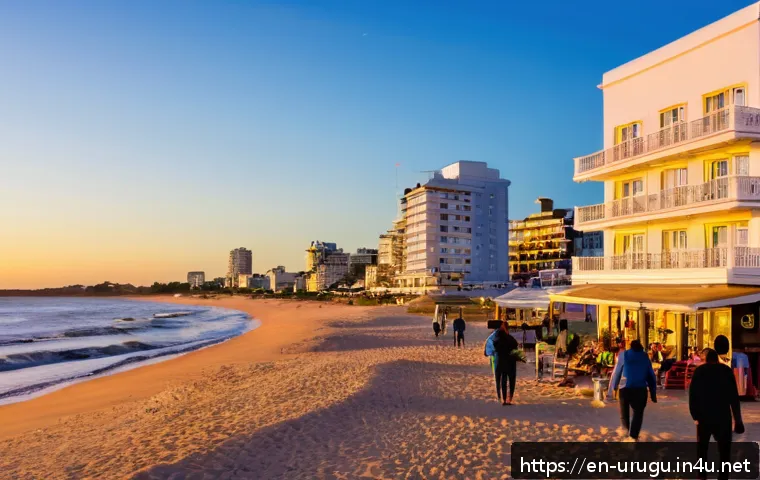
The coastal resorts like Punta del Este and José Ignacio offer stunning beaches and a relaxed vibe that attracts many visitors. These towns are generally safe, but petty theft can happen, especially in crowded tourist spots or during festivals.
From my experience, keeping valuables out of sight and using hotel safes is a simple but effective way to avoid trouble. In rural areas and smaller towns, friendliness abounds, but infrastructure and emergency services can be limited.
It’s wise to have a basic plan for emergencies and a reliable means of communication. Locals are typically warm and willing to help, but being prepared and respectful of their pace of life ensures a smoother experience.
Safety Tips for Navigating Public Spaces
When wandering through markets, plazas, or public transport hubs, awareness is your best ally. Pickpocketing and scams occasionally occur, particularly in crowded areas.
I’ve noticed that blending in by avoiding flashy jewelry and expensive gadgets reduces unwanted attention. Also, using official taxis or rideshare apps rather than hailing random cabs on the street can prevent misunderstandings or overcharging.
Trusting your instincts about situations or people that feel off can make a big difference. Carrying a copy of your passport and emergency contact numbers, while keeping originals secure, helps in case of unexpected incidents.
Practical Safety Measures to Keep in Mind
Managing Your Belongings Smartly
Traveling light and smart with your belongings is more than just convenience; it’s a key safety strategy. I always recommend using bags that close securely and keeping them close to your body.
Splitting cash and cards between different pockets or bags means losing one won’t ruin your trip. Avoid flashing large sums of money or expensive tech devices in public.
When dining or shopping, keep your bag on your lap or between your feet rather than hanging on a chair. These small habits have helped me avoid pickpocket attempts and enjoy my days without worry.
Emergency Contacts and Local Support
Before heading out, it’s crucial to have emergency numbers handy. Uruguay’s general emergency line is 911, covering police, fire, and medical emergencies.
Additionally, knowing the location of your country’s embassy or consulate can be a lifesaver if you lose your passport or need assistance. Local pharmacies and clinics in tourist areas are usually well-equipped, but it’s worth carrying a basic first aid kit.
I’ve also found that chatting with hotel staff about any safety concerns or getting recommendations for trusted local guides adds an extra layer of reassurance.
Travel Insurance and Health Precautions
Investing in travel insurance that covers theft, medical emergencies, and trip cancellations is something I never skip. Health-wise, Uruguay doesn’t pose major risks, but mosquito-borne illnesses like dengue can appear, especially in warmer months.
Using insect repellent, wearing long sleeves at dawn and dusk, and staying hydrated are simple steps that go a long way. Staying updated on local news about any outbreaks or safety alerts is easy with apps and websites dedicated to travelers.
Being proactive with health and insurance means you can focus on enjoying Uruguay’s charm without stress.
How to Handle Nightlife and Social Situations Safely
Choosing Safe Nightspots and Transportation
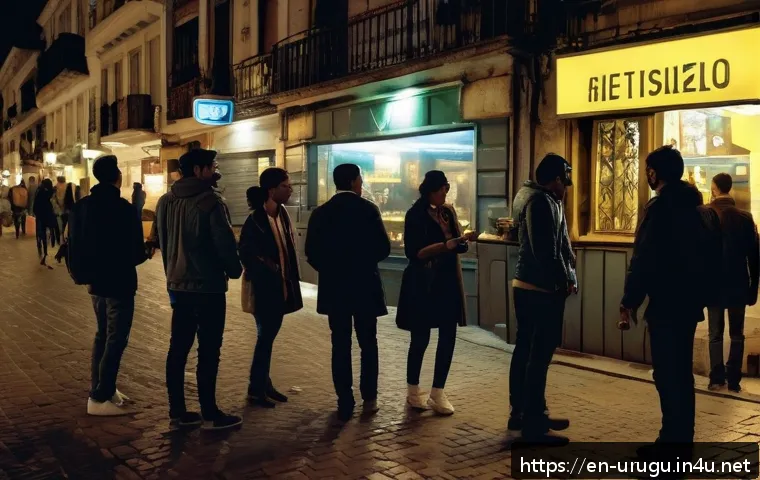
Uruguay’s nightlife, particularly in Montevideo and Punta del Este, is vibrant and diverse. Popular bars and clubs are generally safe, but it’s smart to go with friends or trusted locals, especially if you’re unfamiliar with the scene.
I’ve learned to avoid accepting drinks from strangers and to keep an eye on my belongings at all times. When it’s time to head home, pre-booking a reliable taxi or using a rideshare app is much safer than walking alone or hailing a cab on the street.
Staying in groups and being aware of your surroundings helps keep the night fun without unexpected issues.
Dealing with Scams and Unwanted Attention
While outright scams are not rampant, tourists should remain alert. Common tactics include overcharging, fake guides, or overly persistent vendors. I once had a local offer a “special deal” that turned out to be much more expensive than the usual price.
Politely declining and sticking to official services or recommended providers can save both money and hassle. If you encounter harassment, assertiveness usually works well—most locals respect firm but polite boundaries.
Trust your gut feeling and don’t hesitate to remove yourself from uncomfortable situations.
Transportation Safety and Getting Around Efficiently
Using Public Transport: Dos and Don’ts
Montevideo’s buses are affordable and cover extensive routes, but they can get crowded during rush hours. Pickpocketing is rare but possible, so keeping your bags zipped and close is key.
I found that riding during off-peak hours and sitting near the driver or other families increases safety. Buying tickets from official vendors and avoiding unmarked minibuses helps prevent scams.
For longer trips between cities, well-known bus companies offer comfortable, safe rides. Planning routes in advance and carrying small change for fares makes the experience smoother.
Renting Cars and Driving Tips
If you plan to rent a car, Uruguay’s roads are generally in good condition, and traffic rules are straightforward. However, rural roads may have less lighting and signage.
Driving during daylight hours is advisable to avoid hazards like stray animals or sudden roadworks. Always lock your vehicle and avoid leaving valuables visible inside.
I once drove along the coast and appreciated how calm and courteous local drivers were, but staying alert and cautious is always necessary. GPS or offline maps come in handy where cell service is spotty.
Walking and Cycling Safely
Walking is a fantastic way to soak in Uruguay’s culture, especially in pedestrian-friendly areas. Montevideo’s Rambla along the coast is popular and safe during the day.
At night, sticking to busy, well-lit streets is a smart choice. Cycling is also growing in popularity, with bike lanes expanding in urban centers. Wearing helmets and reflective gear, plus obeying traffic signals, greatly reduces risk.
From my experience, renting a bike from a reputable shop and asking locals about the best routes enhances safety and enjoyment.
Common Safety Concerns and How to Address Them
Understanding Petty Crime Risks
Petty crime like pickpocketing and bag snatching can happen but tends to target distracted tourists in busy areas. I’ve noticed that staying vigilant, especially in crowded markets or festivals, cuts down on the risk significantly.
Using anti-theft backpacks or money belts adds another protective layer. Avoiding flashy clothing or jewelry that screams “tourist” also helps keep you under the radar.
If you do encounter theft, reporting it promptly to police can assist in recovery or at least prevent further incidents.
Health and Environmental Hazards
Uruguay is relatively safe health-wise, but travelers should watch out for sun exposure and occasional mosquito-borne illnesses. Staying hydrated, wearing sunscreen, and dressing appropriately for the weather are basic but essential precautions.
Environmental hazards like uneven sidewalks or slippery stones near the coast require attention, especially when exploring less developed areas. I always carry a small flashlight and sturdy shoes for evening walks or hikes, which has saved me from minor injuries and discomfort.
Respecting Local Customs and Avoiding Conflicts
Understanding cultural norms can prevent misunderstandings that might escalate into conflicts. Uruguayans are generally polite and reserved but appreciate friendliness and respect.
I found that simple gestures like greeting with a “hola” or “buenos días” open doors and create goodwill. Avoiding sensitive topics in conversations and observing local dress codes, especially in religious or formal settings, helps maintain harmony.
Being patient and open-minded when things don’t go as planned makes the journey smoother and safer.
| Safety Aspect | Practical Advice | Personal Insight |
|---|---|---|
| Neighborhoods | Stay in well-known, tourist-friendly areas; avoid isolated spots at night | Choosing accommodations near main attractions made me feel more secure |
| Valuables | Use hotel safes; carry minimal cash; secure bags close to body | Splitting money in different pockets helped me avoid losing everything when pickpocketing was attempted |
| Nightlife | Go out with friends; pre-book transport; watch drinks | Always ordered my own drinks and used rideshare apps for safe returns |
| Transport | Use official taxis and buses; plan routes; avoid driving at night in rural areas | Using GPS offline maps was a lifesaver on less-connected roads |
| Health | Use insect repellent; wear sunscreen; stay hydrated | Carrying a small first aid kit helped me feel prepared during outdoor excursions |
| Scams | Stick to official guides and vendors; politely decline persistent offers | Firmly saying no prevented me from overpaying for a “special” service |
In Conclusion
Exploring Uruguay offers a rich and rewarding experience when you stay mindful of your surroundings and take practical safety measures. By choosing the right neighborhoods, securing your belongings, and staying aware during nightlife and transportation, you can fully enjoy the country’s charm with peace of mind. My personal experiences have shown that preparation and respect for local customs make all the difference in having a smooth and memorable trip.
Helpful Tips to Remember
1. Always research and select accommodations in well-known, safe areas to ensure comfort and security.
2. Keep valuables discreet and use hotel safes whenever possible to avoid theft.
3. When enjoying nightlife, stay with trusted companions and pre-arrange your transportation for safe returns.
4. Use official public transport or taxis, and plan your routes ahead to avoid confusion or scams.
5. Protect your health with insect repellent, sunscreen, and by staying hydrated, especially during outdoor activities.
Key Takeaways
Understanding the local environment and respecting cultural norms are essential for a safe visit. Staying vigilant about petty crime and scams can prevent unpleasant surprises. Being prepared with emergency contacts and travel insurance adds an important safety net. Finally, embracing the warmth of Uruguay’s people while maintaining awareness helps create a balance between adventure and security, making your journey truly enjoyable.
Frequently Asked Questions (FAQ) 📖
Q: uestionsQ1: Is Uruguay considered a safe country for solo travelers, especially in cities like Montevideo?
A: Absolutely, Uruguay is generally regarded as one of the safest countries in South America, and solo travelers often find Montevideo welcoming and secure.
Of course, like any urban area, it’s wise to stay alert in crowded places and avoid poorly lit streets at night. Many travelers I’ve spoken to mention feeling comfortable walking around the city center and popular neighborhoods during the day.
Using common-sense precautions—such as keeping an eye on your belongings and using registered taxis—can make your experience worry-free.
Q: Are there specific areas or times when travelers should be extra cautious in Uruguay?
A: Yes, while Uruguay is safe overall, some neighborhoods in Montevideo, like certain parts of the outskirts, may have higher petty crime rates. It’s best to avoid wandering alone late at night in less busy or unfamiliar areas.
Coastal towns and tourist hotspots are typically safe, but it’s smart to stay vigilant during crowded festivals or events, where pickpocketing can happen.
From my own visits, early evenings and busy daytime hours feel the safest for exploring.
Q: What safety tips should travelers keep in mind when visiting Uruguay’s coastal regions?
A: The coastal areas, including Punta del Este and Cabo Polonio, are popular and generally safe, but natural conditions require attention. Strong currents and changing tides mean swimmers should heed local warnings and avoid isolated beaches alone.
Also, since some remote spots have limited services, carrying essentials like water, sunscreen, and a fully charged phone is wise. From experience, blending in with locals by dressing casually and not flashing valuables helps maintain a low profile and enjoy the relaxed beach vibe safely.