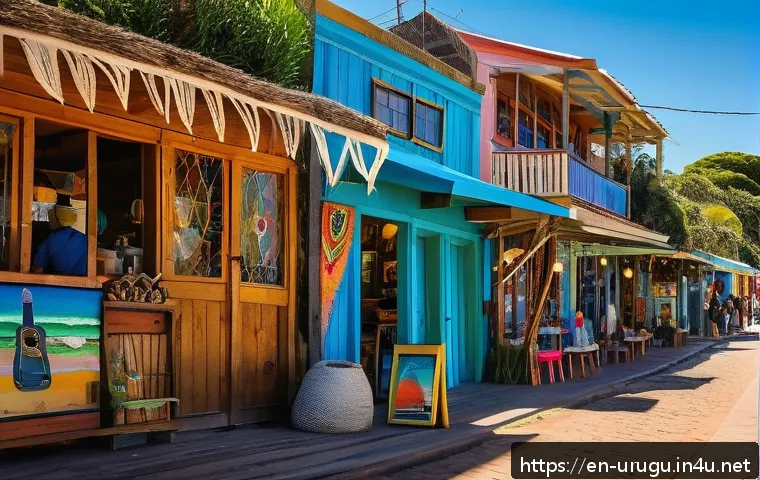
As the world gradually reopens and festivals regain their vibrant energy, Uruguay’s Carnival offers an extraordinary glimpse into a cultural celebration bursting with color, music, and tradition.
This lively event, often overshadowed by more famous carnivals, showcases unique local customs and spectacular parades that captivate both locals and travelers alike.
If you’re craving an authentic experience filled with rhythmic candombe drums and dazzling costumes, the Carnival de Uruguay promises memories that linger long after the final dance.
Join me as we dive into the heart of this festive season, exploring the traditions that make it truly unforgettable. Whether you’re planning a trip or simply curious about global celebrations, this is a story you won’t want to miss.
The Rhythmic Pulse of Candombe Drumming
The Roots and Evolution of Candombe
Candombe is far more than just music; it’s a living testament to Uruguay’s Afro-Uruguayan heritage. Originating from the African slaves brought to Uruguay, this drum-based rhythm has evolved over centuries, blending African traditions with local influences.
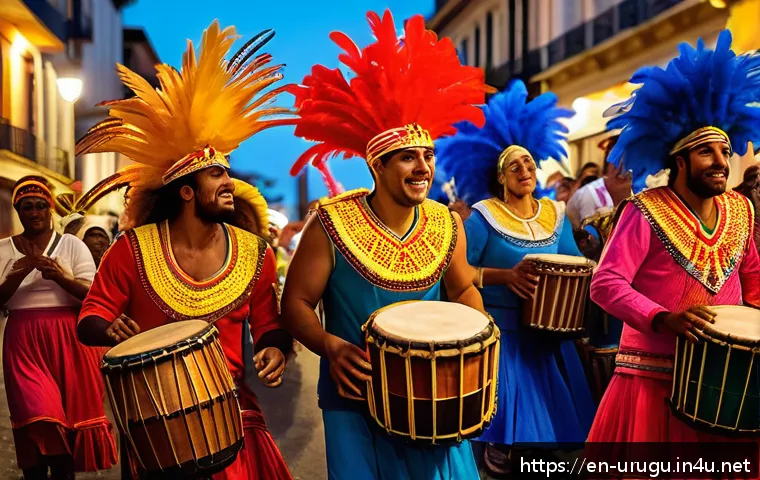
When you hear the pounding of the tamboriles—the tall, barrel-shaped drums—you’re not just hearing music, you’re feeling a heartbeat that connects generations.
The vibrant energy of candombe pulsates through the streets during the carnival, inviting everyone to join in the celebration of resilience and identity.
The Role of the Drummers in the Parade
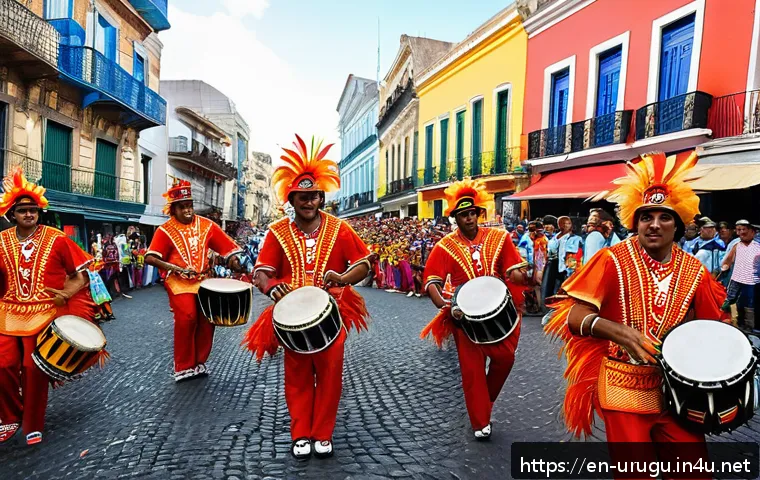
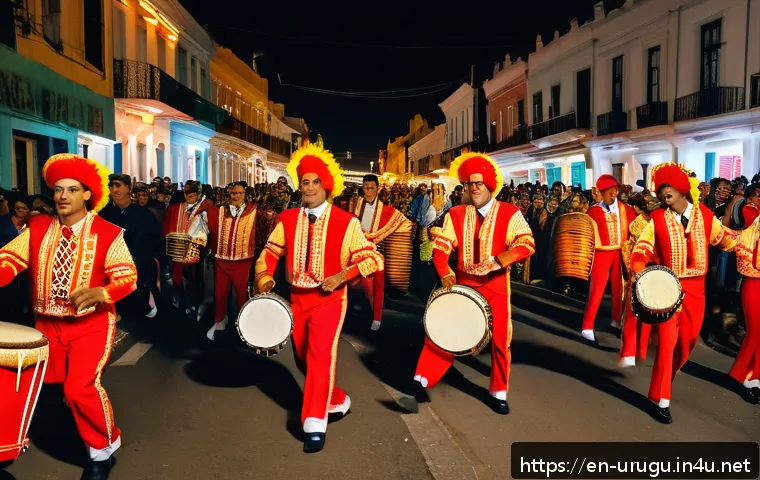
The drummers, known as “tamborileros,” are the lifeblood of the carnival’s parades. They form groups called “comparsas,” each with its own unique style and rhythm, and their synchronized drumming creates a hypnotic, contagious beat that spreads through the crowd.
Watching a comparsa in action is mesmerizing—the way the drummers move and communicate through their rhythms is like a conversation without words. These performances require years of practice, and the pride and passion of the players shine through every beat, making the experience unforgettable.
How Candombe Shapes the Carnival Atmosphere
Candombe is the sonic thread weaving through the entire carnival fabric, setting the pace for dancers and spectators alike. Unlike other carnivals where brass bands or electronic music might dominate, Uruguay’s carnival retains this raw, organic sound that feels both ancient and fresh.
It’s impossible not to move when the candombe drums fill the air, and this infectious rhythm creates a communal spirit that breaks down barriers between locals and visitors.
I remember feeling instantly connected to everyone around me, united by the shared groove of the drums.
Vibrant Costumes and Their Symbolism
The Craftsmanship Behind the Outfits
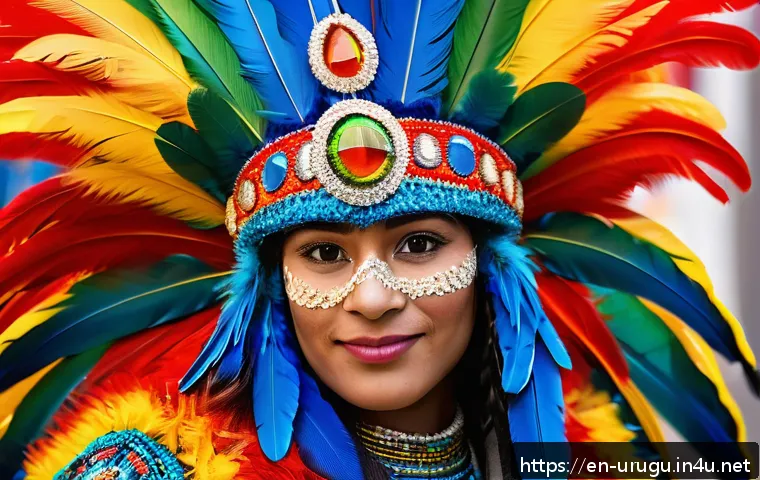
The costumes worn during the carnival are nothing short of spectacular, often handmade with intricate details that reflect deep cultural meanings. Many artisans dedicate months to creating elaborate outfits featuring feathers, sequins, and vibrant fabrics.
Each piece tells a story, whether it’s honoring historical figures, nature, or Afro-Uruguayan folklore. Seeing the pride in the eyes of the costume makers and wearers brings an added layer of appreciation, knowing that every stitch carries purpose and tradition.
Colors and Patterns That Tell Stories
Colors aren’t chosen randomly; they are carefully selected to symbolize different themes or emotions. For instance, bright reds and yellows often represent vitality and joy, while blues and greens might symbolize nature and renewal.
Patterns inspired by African art and indigenous symbols frequently appear, creating a visual tapestry that celebrates cultural fusion. The dazzling costumes, combined with the rhythmic music, make the carnival an immersive sensory feast that’s as much about visual storytelling as it is about sound.
The Experience of Wearing a Costume
I had the chance to try on a traditional carnival costume during a workshop, and the experience was eye-opening. Beyond the weight and layers, what struck me was the transformation it triggered—putting on the costume felt like stepping into a different persona, one connected to centuries of celebration and struggle.
Walking among the parade with that outfit on, I felt a surge of pride and joy, as if I were part of something much larger than myself. It’s this immersive participation that makes the carnival so special for both locals and travelers.
The Unique Parade Formats and Their Significance
The Distinctive Neighborhood Parades
Unlike some carnivals that center their festivities in one main location, Uruguay’s carnival is spread across various neighborhoods, each with its own parade traditions.
For example, the barrio Sur and Palermo neighborhoods are famous for their candombe parades, offering a more grassroots, community-driven vibe. These local parades foster a sense of belonging and pride, where families and neighbors come together to celebrate their shared heritage.
The intimacy of these smaller parades contrasts beautifully with the grandeur of Montevideo’s main parade.
How the Parades Reflect Social and Cultural Narratives
The parades are not just entertainment; they are a platform for social commentary and cultural expression. Many groups use their performances to highlight issues like racial identity, historical injustices, and the celebration of Afro-Uruguayan culture.
This depth adds a powerful layer to the festivities, making the carnival a space for both joy and reflection. It’s inspiring to see how art and tradition combine to keep important conversations alive in such a vibrant setting.
The Role of Dance in the Parades
Dance is inseparable from the parade experience, with choreography often designed to complement the drum rhythms. The dancers’ movements range from lively and playful to deeply symbolic gestures, creating a dynamic spectacle that captures the audience’s imagination.
Participating in or even just watching these dances offers insight into the carnival’s communal spirit and artistic richness. I found myself swept up in the energy, unable to resist joining the dance circle at one point—it was pure joy.
How Food and Drink Enhance the Festival Experience
Traditional Carnival Snacks and Their Origins
No carnival would be complete without tasty street food, and Uruguay’s carnival is no exception. Popular snacks like chivito sandwiches, empanadas, and traditional asado (barbecue) are staples that keep festival-goers energized throughout the day and night.
These dishes reflect the country’s rich culinary heritage, blending indigenous, European, and African influences. Sampling these foods while listening to the drums adds a delicious dimension to the overall experience.
Refreshing Beverages to Beat the Summer Heat
Since the carnival takes place during the Southern Hemisphere’s summer, staying hydrated is essential. Locals and tourists alike enjoy refreshing drinks such as mate (a traditional herbal infusion), fresh fruit juices, and local beers.
Many street vendors offer cold beverages that provide a welcome respite from the heat and keep the festive spirit alive. I found myself sipping on freshly squeezed orange juice as I soaked in the vibrant scenes, a perfect pairing for the lively atmosphere.
Food as a Social Connector
Food and drink also play a vital role in bringing people together during the carnival. Sharing a meal or snack with strangers in the crowd often leads to spontaneous conversations and new friendships.
This communal dining experience complements the parade’s sense of unity, making the festival not just about spectacle but about genuine human connection.
It’s these little moments—passing a plate, exchanging smiles—that made my time at the carnival truly memorable.
Timing and Tips for Visitors to Maximize Their Experience
When to Arrive and How Long to Stay
Planning your visit around the carnival’s schedule can make all the difference. The festival typically spans several weeks, with the most intense celebrations happening in February.
Arriving early allows you to catch the buildup—the rehearsals, smaller parades, and street preparations—that add context and excitement. Staying for at least a few days is ideal to experience different neighborhoods and events, giving you a well-rounded perspective rather than a rushed glimpse.
Essential Tips for Navigating the Festivities
Crowds can be intense, so comfortable footwear and light clothing are must-haves. Carrying some cash is wise since many vendors don’t accept cards, and staying hydrated is crucial given the summer heat.
Learning a few basic Spanish phrases can also enhance interactions with locals, who are generally warm and welcoming. Most importantly, keep an open mind and be ready to immerse yourself fully—whether it’s joining a dance circle or trying a new food, these spontaneous moments often become the highlights of your trip.
Where to Stay for Easy Access to Events
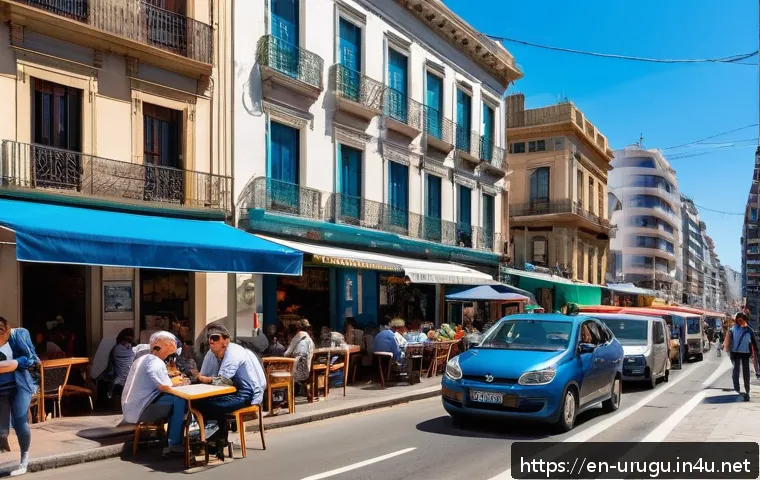
Montevideo, the capital, is the heart of the carnival and offers a range of accommodations, from budget hostels to boutique hotels. Staying in central neighborhoods like Ciudad Vieja or Pocitos gives you quick access to parade routes and cultural hotspots.
For a more local vibe, consider booking a place in the barrios known for their candombe heritage, where you can wake up to the sounds of drums and experience the carnival spirit even off the main stages.
Early booking is recommended due to high demand during the festival.
Comparing Uruguay’s Carnival to Other Global Festivals
What Makes It Stand Out
While Rio’s carnival might steal the global spotlight, Uruguay’s celebration offers a uniquely intimate and authentic experience. The focus on Afro-Uruguayan culture, especially through candombe, sets it apart from many other carnivals.
The smaller scale parades and community involvement create a warm, inclusive atmosphere that feels less commercialized and more rooted in tradition. I personally found it refreshing to be part of a carnival where the cultural significance felt so palpable and genuine.
Similarities with Other South American Carnivals
Like other South American carnivals, Uruguay’s festival shares a love for dance, elaborate costumes, and music that energizes the streets. The use of percussion instruments and the communal celebration of identity are common threads running through festivals in Brazil, Bolivia, and Colombia.
However, Uruguay’s emphasis on candombe drums and Afro-Uruguayan culture provides a distinctive flavor, showcasing the country’s unique historical narrative within the broader tapestry of Latin American festivities.
How Tourists Can Choose the Right Carnival Experience
For travelers deciding which carnival to attend, it often comes down to what kind of experience they seek. If you want a grand spectacle with massive crowds and world-famous samba schools, Rio might be your destination.
But if you crave a culturally immersive event with deep historical roots and a welcoming vibe, Uruguay’s carnival is a hidden gem worth exploring. Having attended both, I can say Uruguay offers a quieter, more soulful celebration that stays with you long after the last drumbeat fades.
| Aspect | Uruguay’s Carnival | Other Famous Carnivals (e.g., Rio) |
|---|---|---|
| Music | Candombe drums dominate, highlighting Afro-Uruguayan heritage | Samba schools with brass and percussion ensembles |
| Scale | Community-focused with neighborhood parades | Massive, international events with huge crowds |
| Costumes | Handmade, often symbolizing cultural stories | Extravagant, large-scale costumes with feathers and sequins |
| Atmosphere | Intimate, inclusive, and deeply cultural | Energetic, commercial, and spectacle-driven |
| Tourist Experience | Authentic, immersive, and less crowded | High-energy, grand, but sometimes overwhelming |
In Conclusion
Uruguay’s carnival is a vibrant celebration of culture, history, and community spirit, deeply rooted in Afro-Uruguayan traditions. The rhythmic pulse of candombe drums, colorful costumes, and intimate neighborhood parades create a unique and unforgettable experience. It’s a festival that invites participation and connection, leaving lasting memories for both locals and visitors alike.
Helpful Information to Know
1. The carnival usually takes place in February, lasting several weeks, so plan to stay for multiple days to fully enjoy the variety of events.
2. Comfortable shoes and light clothing are essential due to crowded streets and summer heat.
3. Carry cash since many vendors prefer it over cards, especially at smaller stalls.
4. Learning a few basic Spanish phrases will enhance your interactions with friendly locals.
5. Book your accommodation early, especially in Montevideo’s central or traditional neighborhoods, to stay close to the main festivities.
Key Takeaways
Uruguay’s carnival stands out for its authentic cultural expression through candombe drumming and community-focused celebrations. It offers an intimate atmosphere, distinct from more commercialized carnivals, making it ideal for travelers seeking a meaningful and immersive festival experience. Preparation, such as understanding local customs and planning your visit during peak times, will help you get the most out of this remarkable event.
Frequently Asked Questions (FAQ) 📖
Q: When is the best time to experience Uruguay’s Carnival?
A: Uruguay’s Carnival typically runs from late January through early March, with the peak festivities often occurring in February. The best time to visit is during the weekends when the parades and street performances reach their full energy.
If you want to catch the iconic Llamadas parade, which highlights the candombe drumming tradition, check the exact dates beforehand as they vary each year.
Planning your trip around these peak events ensures you won’t miss the most vibrant and authentic moments.
Q: What makes Uruguay’s Carnival different from other famous carnivals like Rio or Venice?
A: Unlike the massive scale and international spotlight of Rio or Venice, Uruguay’s Carnival offers a more intimate and culturally rich experience rooted deeply in Afro-Uruguayan heritage.
The rhythmic candombe drums are central to the celebration, creating a hypnotic soundscape unique to the region. Costumes tend to emphasize traditional patterns and local artistry rather than just glitz and glamour.
This carnival is a celebration of community, history, and rhythm, giving visitors a chance to connect with Uruguay’s soul rather than just a spectacle.
Q: Are there any tips for tourists attending the Carnival to enjoy it safely and fully?
A: Absolutely! First, wear comfortable shoes—there’s a lot of walking and dancing involved. Bring cash for street vendors since many places don’t accept cards.
Staying hydrated is key, especially under the South American summer sun. It’s also smart to join guided tours or local groups if you’re unfamiliar with the city to navigate safely and get insider insights.
Lastly, respect local customs and participate with an open heart—Uruguayans are warm and welcoming, and engaging genuinely will make your experience unforgettable.