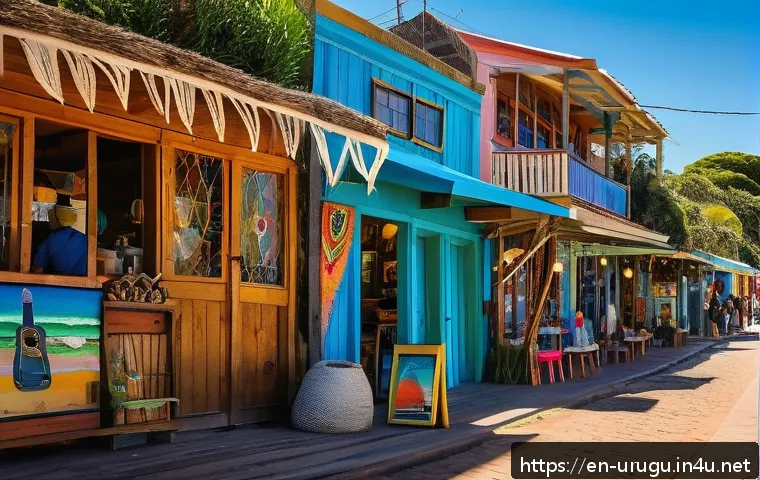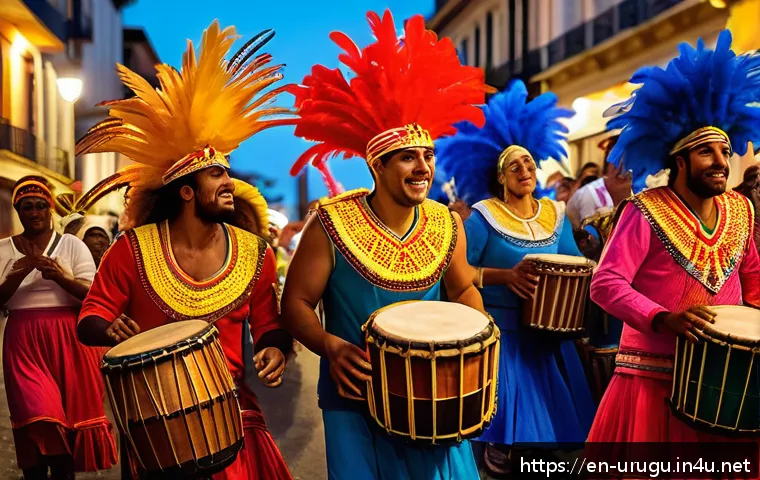
As the world eagerly embraces vibrant cultural celebrations, Uruguay’s Carnival stands out as a dazzling spectacle of tradition, rhythm, and color. This lively festival, deeply rooted in local heritage, offers a unique blend of Afro-Uruguayan rhythms and joyful street parades that captivate both locals and travelers alike.
With recent events highlighting a renewed passion for authentic cultural experiences, now is the perfect time to dive into the heart of Uruguay’s Carnival.
Whether you’re a music lover, a culture enthusiast, or simply curious about global festivities, exploring this dynamic celebration promises an unforgettable journey.
Let’s uncover what makes Uruguay’s Carnival a truly spectacular event that’s gaining attention worldwide.
Rhythms That Define the Carnival Spirit
The Pulse of Candombe Drums
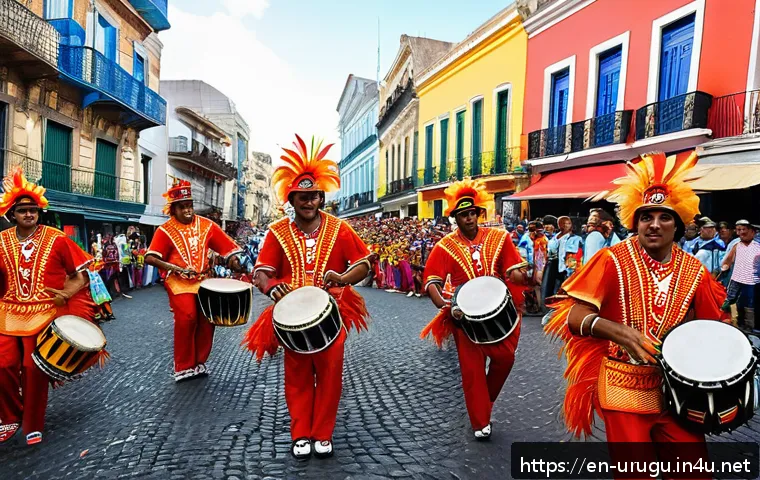
The heartbeat of Uruguay’s Carnival undeniably lies in the mesmerizing candombe rhythms. These drums, originally brought by Afro-Uruguayan communities, create a hypnotic soundscape that fills the streets with energy and history.
When I first experienced the candombe parade, the intricate layering of the tamboriles—distinct drum types—pulled me into a trance-like state. Each beat carries stories of resilience and celebration, making the music much more than just entertainment.
It’s a living connection to Uruguay’s cultural roots, and hearing it live is an emotional, almost spiritual, experience.
Comparing Modern and Traditional Beats
While candombe forms the traditional backbone, modern Carnival has welcomed a fusion of genres. You’ll find murga troupes mixing satirical lyrics with upbeat tunes, and some samba influences creeping in from Brazil.
This fusion doesn’t dilute the tradition; instead, it revitalizes the festival, attracting younger crowds and keeping the spirit fresh. From my conversations with local performers, it’s clear that this blend is a conscious effort to honor the past while inviting innovation.
The Role of Dance in Storytelling
Dance is inseparable from the music at Carnival. Watching dancers move to candombe rhythms is like witnessing a live history lesson—each step, gesture, and formation tells a story of struggle, joy, and community.
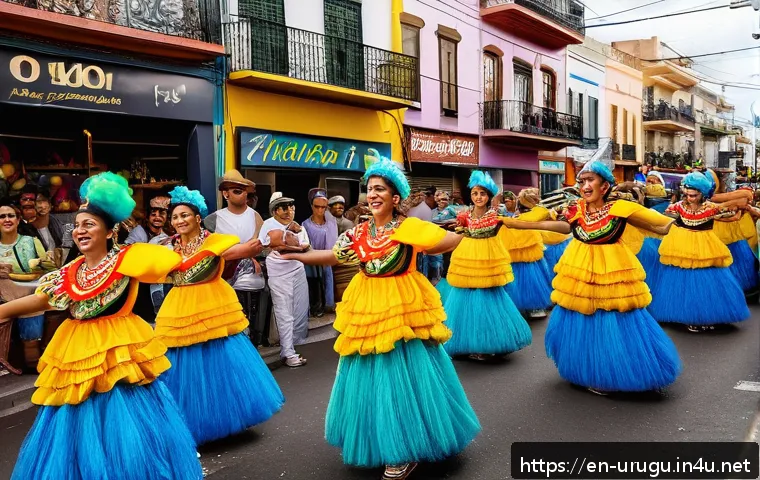
During the parades, performers don vibrant costumes that complement their movements, transforming the streets into open-air theaters. The energy is contagious, and even as a visitor, you can’t help but join in the celebration, feeling the narrative unfold through every beat and step.
Colorful Parades Bringing Communities Together
Street Processions That Light Up the City
One of the most captivating aspects of Uruguay’s Carnival is the sheer vibrancy of its street parades. These aren’t just organized events; they are spontaneous, communal celebrations where people from all walks of life join in.
I remember standing among locals as floats adorned with dazzling colors, feathers, and glitter passed by, accompanied by singing and laughter that echoed through the night.
The parades turn entire neighborhoods into stages, breaking down social barriers and inviting everyone to participate.
The Craftsmanship Behind the Costumes
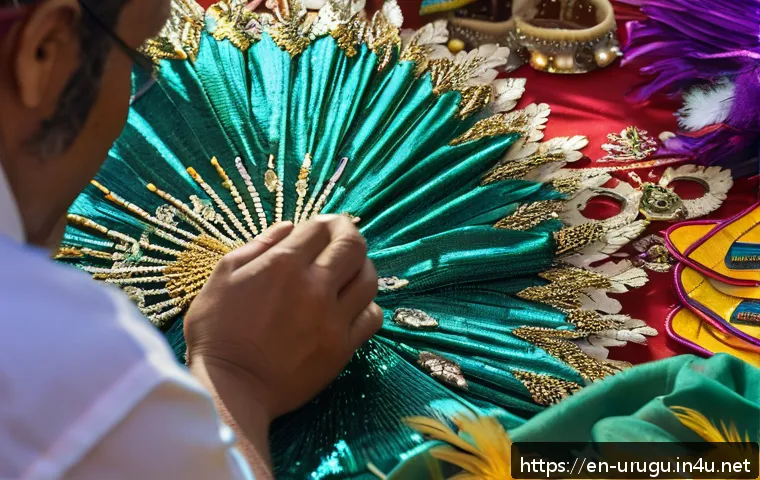
The costumes at Carnival are a marvel of creativity and dedication. Artisans spend months designing elaborate outfits that blend tradition with personal expression.
From sparkling sequins to hand-stitched embellishments, each costume tells a story. Speaking with some of the designers, I learned how their work not only celebrates cultural identity but also provides economic opportunities for local communities, especially young artists eager to showcase their talents on a global stage.
Community Spirit and Volunteerism
What’s truly heartwarming is how much of the Carnival’s success depends on community involvement. Volunteers organize rehearsals, build floats, and manage logistics, all fueled by passion rather than profit.
This spirit of collaboration creates a deep sense of belonging and pride, making the festival more than just a spectacle—it’s a collective achievement.
Having joined a volunteer group for a day, I was struck by the warmth and dedication of everyone involved, which made the experience unforgettable.
Unique Traditions and Symbolism
Historical Roots and Cultural Significance
Uruguay’s Carnival is rich in symbolism, with many traditions tracing back centuries. The festival originally served as a way for marginalized communities to express identity and resistance through art and music.
Over time, it evolved into a national celebration embracing all citizens. Understanding this context added layers of meaning to my experience, as each parade and performance felt like a tribute to perseverance and unity.
Symbolic Characters and Their Roles
Various characters play crucial roles in the Carnival narrative, from the humorous “comparsas” to the revered “Llamadas” dancers. Each group has a distinct function, whether it’s satirizing political issues or honoring cultural heritage.
These characters provide not only entertainment but also social commentary, making the festival a dynamic forum for expression. I found myself fascinated by the depth and nuance embedded in these performances, far beyond surface-level celebration.
Seasonal Timing and Its Impact
Unlike many carnivals worldwide that happen just before Lent, Uruguay’s Carnival spans several weeks during summer, allowing for extended festivities.
This timing impacts the atmosphere, as warm evenings invite locals and tourists alike to linger in the streets, creating a relaxed yet vibrant vibe. Experiencing multiple parades across different days gave me a richer appreciation for the event’s scale and diversity.
The Gastronomic Delights of Carnival
Traditional Foods That Fuel the Festivities
No celebration is complete without food, and Uruguay’s Carnival offers a feast for the senses. Street vendors serve up classic dishes like chivito sandwiches, empanadas, and asado grilled meats that keep participants energized.
Sampling these local specialties while watching the parades added a delicious layer to my Carnival experience, and I quickly realized how food plays a social role in bringing people together.
Sweet Treats and Refreshing Drinks
Aside from savory bites, Carnival is a great time to indulge in Uruguay’s beloved desserts and beverages. Dulce de leche treats and alfajores are popular sweets, while beverages like clericó—a fruity wine punch—offer refreshing relief from the summer heat.
Sharing these treats with new friends I met along the parade route created moments of genuine connection and joy.
Food Markets and Local Flavors
In addition to street stalls, local markets pop up around Carnival venues, showcasing regional products and artisanal goods. These markets provide a glimpse into Uruguay’s rich culinary heritage, with fresh produce, cheeses, and wines available for tasting and purchase.
Exploring these markets felt like stepping into a microcosm of Uruguayan culture, where food and tradition intertwine beautifully.
Insider Tips for Experiencing the Carnival Like a Local
Best Spots to Catch the Parades
Finding the perfect spot to enjoy the parades can make all the difference. From my experience, the neighborhoods of Barrio Sur and Palermo offer authentic vibes with less tourist congestion.
Arriving early and securing a spot near the main parade route allowed me to immerse myself fully in the atmosphere, surrounded by enthusiastic locals who welcomed me warmly.
How to Dress and Prepare
Comfort is key when attending Carnival events, especially since you’ll likely be on your feet for hours. Light, breathable clothing paired with comfortable shoes made my experience much more enjoyable.
Don’t forget sunscreen and a hat for daytime parades, and a small backpack to carry essentials like water and snacks. Embracing the festive spirit by wearing some colorful accessories also helped me blend in and feel part of the celebration.
Engaging with Local Communities
One of the most rewarding aspects of the Carnival was connecting with locals. Joining a murga rehearsal or visiting a candombe drum workshop gave me insight into the dedication behind the scenes.
Locals are generally open and proud to share their culture, so don’t hesitate to strike up conversations or ask questions. These interactions transformed my visit from a simple tourist experience into a meaningful cultural exchange.
Essential Elements of Uruguay’s Carnival at a Glance
| Element | Description | Why It Matters |
|---|---|---|
| Candombe Drums | Traditional Afro-Uruguayan percussion ensemble driving the rhythm | Connects participants to cultural heritage and history |
| Murgas | Groups performing satirical musical theater with vibrant costumes | Provides social commentary and entertainment |
| Parade Floats | Colorful, elaborately decorated vehicles showcasing artistic creativity | Visual spectacle that enhances community pride |
| Costume Crafting | Handmade outfits blending tradition with personal expression | Supports local artisans and cultural preservation |
| Street Food | Local dishes like chivitos and empanadas sold by vendors | Enhances the festive experience and encourages social bonding |
| Community Involvement | Volunteers organizing and participating in events | Fosters a strong sense of belonging and shared purpose |
How the Carnival Boosts Uruguay’s Cultural Identity
A Platform for Cultural Preservation
Uruguay’s Carnival plays a pivotal role in preserving and promoting cultural heritage. Through music, dance, and storytelling, traditions that might otherwise fade away are kept vibrant and relevant.
As someone who has observed this firsthand, I can say that the festival acts as a cultural anchor, especially for younger generations who might otherwise lose touch with their roots.
The pride that participants express in their heritage is palpable and inspiring.
Economic and Social Impact on Local Communities
Beyond cultural significance, Carnival provides substantial economic benefits. Local businesses, artisans, and performers see increased income during the festival season.
Hotels and restaurants thrive as tourists flock to Montevideo and other cities. Moreover, the social cohesion generated through shared participation helps strengthen neighborhoods, building resilience and mutual support networks.
I witnessed how small businesses eagerly prepare months in advance, highlighting the event’s importance beyond entertainment.
Global Recognition and Cultural Exchange
As Uruguay’s Carnival gains international attention, it becomes a bridge for cultural exchange. Visitors from around the world bring diverse perspectives, while locals showcase their unique traditions on a global stage.
This interaction enriches the festival, introducing new ideas and fostering mutual understanding. Having met travelers from multiple continents during the celebrations, I saw how Carnival sparks curiosity and appreciation for Uruguay’s rich cultural tapestry.
Closing Thoughts
Uruguay’s Carnival is more than a festival—it’s a vibrant celebration of culture, history, and community spirit. Experiencing the rhythms, colors, and traditions firsthand reveals a deep connection that goes beyond the surface. Whether through music, dance, or food, the Carnival invites everyone to be part of a living cultural story that continues to inspire and unite.
Helpful Information to Know
1. Arrive early at parade routes like Barrio Sur or Palermo to secure the best viewing spots and soak in authentic local energy.
2. Dress comfortably with breathable clothing and shoes, and bring essentials like sunscreen, water, and a small backpack for convenience.
3. Don’t hesitate to engage with locals—joining rehearsals or workshops offers valuable insights and enriches your experience.
4. Sampling traditional foods such as chivitos, empanadas, and dulce de leche desserts adds a delicious cultural dimension to the festivities.
5. Remember that much of the Carnival’s magic comes from community volunteers, whose passion fuels the celebration’s success and warmth.
Key Takeaways
Uruguay’s Carnival is a dynamic blend of tradition and innovation, rooted in Afro-Uruguayan heritage and enriched by contemporary influences. It thrives on community involvement, creative expression, and cultural preservation, making it both a powerful social event and a significant economic driver. Immersing yourself fully—through music, dance, food, and local connections—transforms a visit into a meaningful cultural journey filled with lasting memories.
Frequently Asked Questions (FAQ) 📖
Q: What makes Uruguay’s Carnival different from other carnivals around the world?
A: Uruguay’s Carnival is truly unique because it deeply integrates Afro-Uruguayan cultural elements, especially through the traditional candombe drumming and dance.
Unlike many other carnivals that focus mainly on costumes and parades, Uruguay’s celebration is anchored in vibrant street performances that honor African heritage and local history.
Experiencing the rhythmic beats of candombe live on the streets of Montevideo is unlike anything else—it’s both a cultural lesson and an electrifying party all at once.
Q: When is the best time to attend Uruguay’s Carnival and what should I expect?
A: The Carnival typically runs from late January through early March, with the most intense celebrations happening around the last two weeks. If you plan to visit, expect a lively atmosphere filled with colorful parades, theatrical performances known as “murgas,” and non-stop music and dancing well into the night.
Locals are incredibly welcoming, and you’ll often find impromptu street parties where everyone joins in. I recommend arriving early to catch the opening events and staying through the finale to fully soak in the festival’s energy.
Q: Is Uruguay’s Carnival family-friendly and accessible for tourists?
A: Absolutely! Uruguay’s Carnival is very family-friendly with plenty of daytime events suitable for all ages. The parades and street shows offer a safe and festive environment where kids and adults alike can enjoy the spectacle.
For tourists, the city is well-prepared with clear signage and helpful locals ready to guide visitors. Public transportation and accommodations near the main festival areas make it easy to get around.
Just bring comfortable shoes and an open heart, and you’ll have an unforgettable cultural experience.