
As global interest in Uruguay’s stable economy grows, so does the curiosity about opening a bank account there without the usual headaches. In 2024, navigating Uruguay’s banking system has become more accessible than ever, thanks to recent regulatory updates and streamlined processes.
Whether you’re an expat, investor, or digital nomad, understanding the ins and outs of local banking can save you time and frustration. Stick around as we unravel the secrets to hassle-free account setup, helping you take full advantage of Uruguay’s financial landscape with confidence.
This guide is designed to make your journey smooth and straightforward from start to finish.
Understanding Uruguay’s Banking Landscape for Foreigners
Why Uruguay Attracts International Account Holders
Uruguay’s reputation as a politically stable and economically sound country has been steadily growing, making it an appealing destination for individuals seeking a secure place to manage their finances.
Its banking system offers a blend of modern infrastructure with a strong emphasis on privacy and regulatory compliance. For foreigners, this means access to robust financial services without the uncertainty often encountered in other emerging markets.
The country’s relatively low inflation rates and government policies designed to encourage foreign investment further enhance its appeal. Personally, I found that the sense of financial security here is palpable, especially compared to some neighboring countries where volatility is a constant concern.
Key Banking Institutions and What They Offer
Several major banks dominate the Uruguayan market, each catering to different needs. Institutions like Banco República, Itaú, and Santander Uruguay provide comprehensive services ranging from everyday checking accounts to investment products and international wire transfers.
These banks have adapted well to the influx of foreign clients by offering multilingual support and streamlined digital platforms. During my own experience opening an account, I noticed how some banks are particularly friendly toward digital nomads and investors, offering tailored packages and flexible documentation requirements.
Choosing the right bank depends heavily on your specific needs, such as frequency of international transactions, online banking features, and customer service accessibility.
Regulatory Environment and Recent Changes
Uruguay has made significant strides in updating its banking regulations to foster transparency and ease of access for non-residents. Recent reforms have simplified the paperwork and identification verification process, reducing the previously lengthy waiting periods.
While the government has reinforced anti-money laundering measures, the overall process remains user-friendly, especially for those with legitimate financial intentions.
I personally appreciated how these changes have cut down the bureaucratic red tape, making the entire experience smoother without compromising security or compliance standards.
Essential Documents and Verification Procedures
What You Need Before Visiting the Bank
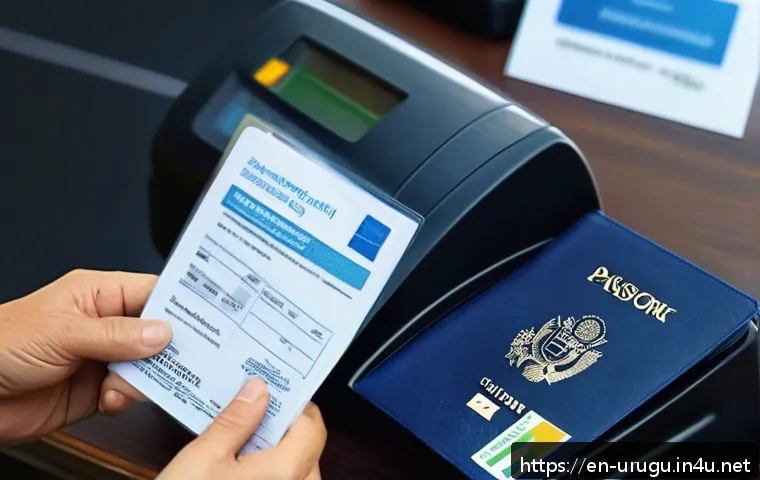
One of the most common hurdles is not having the right documentation ready. Typically, banks require a valid passport, proof of address (either local or from your home country), and a letter explaining the purpose of the account.
For some banks, additional documents like a tax identification number or reference letters from your current bank may be requested. I learned that preparing these ahead of time saves a lot of back-and-forth and makes your first visit more productive.
It’s also wise to bring certified translations if your documents aren’t originally in Spanish.
Identity Verification and Compliance Checks
Banks in Uruguay adhere to strict Know Your Customer (KYC) protocols, meaning you’ll undergo identity verification processes that can include biometric data capture and face-to-face interviews.
These steps are mandatory to align with international standards and prevent fraud. From my experience, being patient and cooperative during this stage is crucial since any hesitation can delay account approval.
Some banks also offer pre-verification services online, which can help expedite the process once you arrive in person.
How to Handle Language Barriers
While many bank staff speak English, especially in larger branches, some smaller or regional offices may operate predominantly in Spanish. Having a bilingual friend or hiring a local consultant can be invaluable, particularly when dealing with complex terms or contracts.
I found that even a basic understanding of banking vocabulary in Spanish helped me negotiate better and avoid misunderstandings. Additionally, some banks now provide digital forms in English, which is a huge plus for non-Spanish speakers.
Types of Accounts Available and Their Benefits
Checking Accounts for Everyday Use
Checking accounts in Uruguay are quite straightforward and come with debit cards usable both locally and internationally. These accounts typically have low or no maintenance fees if you maintain a minimum balance.
For expatriates, this type of account is perfect for daily expenses, bill payments, and receiving local or foreign income. I used my checking account to pay rent and utilities, and the convenience of online banking made managing these transactions hassle-free.
Savings Accounts and Interest Rates
If you’re looking to grow your funds, savings accounts in Uruguay offer competitive interest rates compared to many Western countries. The interest is usually compounded monthly or quarterly, which can significantly boost your savings over time.
I found that opening a savings account alongside a checking account allowed me to separate spending money from funds I wanted to keep secure and growing.
Some banks even offer fixed-term deposits with higher yields, ideal for investors looking for short to medium-term options.
Specialized Accounts for Businesses and Investors
For entrepreneurs and investors, Uruguay offers specialized corporate accounts that support multi-currency operations, online invoicing, and easier access to credit lines.
These accounts often come with dedicated relationship managers who understand the nuances of international business. When I set up a business account, the bank’s support in navigating tax compliance and currency exchange made a significant difference.
It’s worth noting that these accounts require more documentation but provide enhanced services tailored to business needs.
Costs and Fees to Expect When Banking in Uruguay
Common Fees Associated with Account Maintenance
While Uruguay’s banks generally maintain reasonable fees, it’s essential to understand the typical charges. Monthly maintenance fees vary depending on the type of account and balance thresholds, with some banks waiving fees if you meet certain criteria.
Transaction fees for wire transfers, especially international ones, can be more substantial. In my case, I noticed that smaller banks sometimes charge less but may have fewer digital features.
Knowing these costs upfront helped me choose the best bank to fit my financial habits.
Currency Exchange and Transfer Fees
Because many foreigners deal with multiple currencies, understanding exchange rates and transfer fees is crucial. Uruguay’s banks offer competitive rates but often include a margin on top of the interbank rate.
Additionally, outgoing international transfers may incur a fixed fee plus a percentage of the amount sent. I recommend comparing these fees across banks if you plan to move money regularly.
Some banks offer preferential rates for clients with higher balances or business accounts, which can be a real money saver.
Hidden Costs and How to Avoid Them
Occasionally, there are less obvious fees such as ATM withdrawal charges, inactivity penalties, or fees for paper statements. I learned to avoid these by opting for electronic statements and using ATMs within my bank’s network.
Also, some banks penalize accounts that remain dormant for extended periods. By keeping my account active with regular transactions, I sidestepped unnecessary costs.
Always ask your bank for a detailed fee schedule and clarify any uncertainties before committing.
| Type of Fee | Typical Cost Range | Tips to Minimize |
|---|---|---|
| Monthly Maintenance | Free to $15 USD | Maintain minimum balance or opt for digital-only accounts |
| International Wire Transfers | $10 to $40 USD + percentage | Use banks with preferential rates or bulk transfers |
| ATM Withdrawals | $2 to $5 USD per withdrawal | Use own bank’s ATMs or withdraw larger amounts less frequently |
| Currency Exchange Margins | 1% to 3% above interbank rate | Compare rates and consider multi-currency accounts |
| Inactivity Fees | $5 to $10 USD monthly | Keep account active with small transactions |
Tips for Seamless Account Management and Growth
Leveraging Digital Banking Tools
Uruguay’s banks have embraced digital technology, offering apps and online portals that simplify account management. From my perspective, these tools are indispensable for monitoring transactions, paying bills, and even applying for loans.
I especially appreciated notifications for any unusual activity, adding an extra layer of security. For expats and travelers, the ability to manage accounts remotely is a huge benefit, cutting down on unnecessary visits to physical branches.
Building a Relationship with Your Bank
Establishing a good rapport with your bank’s representatives can open doors to better services and personalized advice. I found that being transparent about my financial goals and maintaining regular communication helped me gain access to perks such as reduced fees and priority support.
Many banks in Uruguay assign relationship managers to foreign clients, which I recommend taking advantage of. This relationship often translates into smoother problem resolution and tailored financial solutions.
Planning for Long-Term Financial Success
Opening an account is just the beginning; planning for your financial future in Uruguay requires ongoing attention. Consider diversifying your holdings by exploring investment products offered by your bank, such as government bonds or mutual funds.
From my experience, even modest, consistent investments can yield substantial growth over time. Consulting with a local financial advisor familiar with Uruguay’s market nuances can also be a smart move to optimize your portfolio and stay compliant with evolving regulations.
Common Challenges and How to Overcome Them
Dealing with Bureaucratic Delays
Despite improvements, some delays in processing paperwork and approvals are still common. Patience is key, but proactive follow-ups can speed things up.
I learned that visiting the branch early in the day and politely requesting updates often resulted in faster responses. Bringing all required documents in perfect order from the outset also minimizes backtracking.
Navigating Language and Cultural Differences
Cultural nuances in communication and business etiquette can sometimes cause misunderstandings. For example, Uruguayans value politeness and face-to-face interactions, which might feel unfamiliar to digital nomads used to purely online dealings.
I found that embracing these cultural aspects, even learning a bit of Spanish, made interactions smoother and more pleasant.
Ensuring Security and Protecting Your Assets
Security concerns are valid, especially when handling international finances. Uruguay’s banks employ strong safeguards, but clients must also practice vigilance.
I always recommend setting up two-factor authentication, regularly reviewing account statements, and avoiding sharing sensitive information online. Staying informed about local regulations and potential scams is equally important for safeguarding your assets.
In Conclusion
Uruguay offers a stable and welcoming banking environment for foreigners, combining modern services with strong privacy protections. From my experience, the process is increasingly smooth thanks to recent regulatory improvements and digital banking tools. Whether you are an expat, investor, or digital nomad, Uruguay’s financial system provides flexible options to meet your needs securely and efficiently.
Helpful Information to Keep in Mind
1. Prepare all required documents in advance, including certified translations if necessary, to avoid delays during your bank visit.
2. Take advantage of digital banking platforms for easy account management and real-time transaction monitoring.
3. Building a good relationship with your bank’s staff can unlock personalized services and fee reductions.
4. Always review fee schedules carefully to avoid unexpected charges such as inactivity or ATM withdrawal fees.
5. Learning basic Spanish banking terms or enlisting a bilingual helper can greatly improve communication and understanding.
Key Takeaways for Smooth Banking in Uruguay
Uruguay’s banking system balances security, transparency, and user-friendliness, making it an attractive choice for foreigners. Being well-prepared with documentation and understanding the fee structures will help you avoid common pitfalls. Embracing digital tools and fostering good relationships with your bank can enhance your overall experience. Lastly, patience and cultural awareness are essential to navigate any bureaucratic or language challenges effectively.
Frequently Asked Questions (FAQ) 📖
Q: uestions about Opening a Bank
A: ccount in Uruguay in 2024
Q: Can foreigners open a bank account in Uruguay without residing in the country?
A: Yes, foreigners can open bank accounts in Uruguay even if they are not residents. Recent regulatory changes have simplified the process, allowing non-residents, expats, and digital nomads to apply remotely or with minimal in-person visits.
However, banks typically require identification documents such as a valid passport, proof of address from your home country, and sometimes references or a basic background check.
Some banks may ask for additional paperwork depending on your nationality or the type of account you want to open. Overall, the process is more straightforward than before, but it’s wise to contact the bank beforehand to confirm their specific requirements.
Q: What types of bank accounts are available for foreigners in Uruguay, and which one is best for expats or investors?
A: Uruguay offers several types of bank accounts suitable for foreigners, including checking accounts, savings accounts, and investment accounts. For expats and investors, a checking account with multi-currency options is usually the most practical choice, as it allows easy management of local pesos and foreign currencies like USD.
Some banks also provide specialized accounts tailored for investment activities or business purposes, featuring online banking and international transfer facilities.
Based on my experience and feedback from others, choosing a bank with strong digital services and English-speaking customer support can make your banking life much smoother.
Q: How long does it typically take to open a bank account in Uruguay, and are there any common delays?
A: The account opening process in Uruguay can vary but generally takes between one to three weeks. Thanks to recent improvements in banking regulations and digital onboarding, some banks offer faster approvals, especially for standard accounts.
Delays often arise from incomplete documentation, verification of foreign documents, or additional compliance checks related to anti-money laundering regulations.
In my own case, preparing all required documents in advance and maintaining clear communication with the bank helped speed things up significantly. To avoid frustration, make sure to follow the bank’s instructions carefully and respond promptly if they request further information.