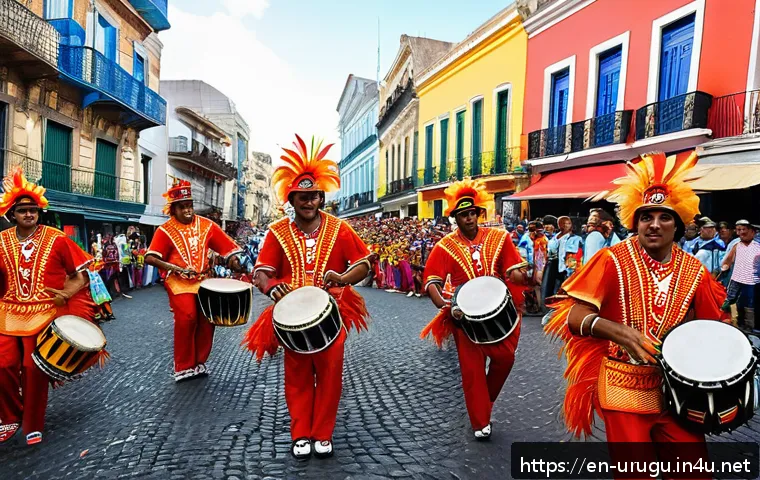
Thinking about making a fresh start in South America? Uruguay has become an increasingly popular destination for immigrants seeking a peaceful lifestyle, stable economy, and welcoming community.

With its straightforward immigration policies and high quality of life, many find Uruguay an appealing choice for relocation. Whether you’re drawn by the beautiful coastlines, safe cities, or vibrant culture, understanding the immigration process is key to a smooth transition.
Let’s dive into the essential steps you need to know to make your move to Uruguay successful. I’ll guide you through the details so you can approach this exciting journey with confidence!
Understanding Residency Options and Choosing the Right Path
Temporary vs. Permanent Residency Explained
Many newcomers to Uruguay initially wonder about the difference between temporary and permanent residency. Temporary residency is often the first step, granting you legal permission to live in Uruguay for a set period, usually one year, with the possibility of renewal.
This status is ideal if you’re testing the waters or planning to work, study, or retire temporarily. Permanent residency, on the other hand, offers a more stable and long-term solution, often after maintaining temporary residency for a couple of years.
It grants broader rights, such as easier access to social services and the ability to apply for citizenship down the road. Understanding these distinctions early can help you plan your move strategically.
Key Residency Categories to Consider
Uruguay’s immigration system is flexible, catering to diverse lifestyles. Some of the main residency categories include retirees, salaried workers, investors, and self-employed individuals.
Retirees benefit from straightforward rules if they can prove a stable pension income. Salaried workers need to present a formal job offer or contract.
Investors must show evidence of investment in Uruguay’s economy, like real estate or business ventures. For self-employed or freelancers, demonstrating consistent income and business plans is crucial.
Selecting the right category depends on your personal circumstances and long-term goals.
Documents You’ll Need to Prepare
Before applying for residency, it’s wise to gather all necessary documents to avoid delays. Commonly required papers include a valid passport, birth certificate, police clearance certificates from your home country, proof of income or financial solvency, and a clean health certificate.
Some documents may need to be apostilled or translated into Spanish, depending on your country of origin. I found that getting these in order ahead of time saved me tons of headaches and expedited my application process.
Always check the latest requirements with the Uruguayan consulate or immigration office, as rules can shift subtly.
Practical Steps for the Residency Application Process
Starting Your Application at the Immigration Office
Once you have your paperwork ready, the next step is submitting your residency application at the Dirección Nacional de Migración (National Immigration Office).
From my experience, it’s best to book an appointment online in advance, as walk-ins can mean long waits. The office staff will review your documents carefully and might ask for additional information.
Keep in mind that patience is key here—processing times can vary, often taking several months. Staying organized with copies of everything and a checklist will make follow-ups easier.
Medical and Background Checks
Uruguay places importance on ensuring new residents are healthy and law-abiding. You’ll undergo a medical exam to confirm you don’t have contagious diseases or conditions that could burden the public health system.
Additionally, background checks will be conducted to verify your criminal record status. I recall feeling a bit nervous about this, but the process is straightforward as long as you provide honest and accurate documentation.
These checks are a standard part of many countries’ immigration processes, and Uruguay is no exception.
Receiving Your Residency Card and Maintaining Status
After approval, you’ll receive your physical residency card, which you should carry at all times. This card is your official proof of legal residence and may be required for banking, employment, or healthcare access.
Keep track of your card’s expiration date and any renewal deadlines. Many people overlook the importance of timely renewals, which can complicate legal status.
Establishing reminders and maintaining good records will help you stay compliant and enjoy your new life stress-free.
Navigating Employment and Business Opportunities in Uruguay
Finding Work as a New Resident
Securing employment in Uruguay is easier if you have a residency permit, but the job market can still be competitive depending on your field. Networking is crucial—joining local expat groups, professional associations, and attending industry events can open doors.
I personally found that learning Spanish, even at a basic conversational level, dramatically improved my chances of landing interviews. Uruguay’s economy is diverse, with growing sectors like technology, agriculture, and tourism offering various opportunities.
Starting a Business or Investing
If you’re entrepreneurial, Uruguay welcomes foreign investors with incentives and a straightforward legal framework. Opening a business requires registering with the National Directorate of Commerce and fulfilling tax obligations.
Many expats successfully start small enterprises like cafes, import/export businesses, or tech startups. The government also promotes investment in renewable energy and agriculture, sectors that have shown steady growth.
Having a clear business plan and consulting with local experts can smooth the process and maximize your chances of success.
Work Permits and Self-Employment
Self-employed residents need to register with the tax authorities and may require specific permits depending on the activity. Freelancers often work under the “monotributo” system, which simplifies tax payments and social security contributions.
I’ve met several expats who thrive using this system because it balances regulatory compliance with flexibility. Understanding local labor laws and tax requirements early on prevents surprises and allows you to focus on growing your income.
Immersing Yourself in Uruguayan Culture and Community
Language and Social Integration
Spanish is the official language, and while many locals speak some English, especially in Montevideo, learning Spanish is essential for deep integration.
Taking language classes or using language exchange meetups are great ways to practice. I found that even a few months of study made everyday interactions, from grocery shopping to dealing with bureaucracy, much easier and more enjoyable.
Beyond language, embracing local customs, festivals, and cuisine helps you feel part of the community.
Building a Support Network

Relocating to a new country can feel isolating at first, but Uruguay’s friendly culture makes it easier to build connections. Joining expat forums, attending cultural events, or volunteering are excellent ways to meet people.
I made some of my closest friends through local tango classes and community gardening projects. These social circles not only provide companionship but also practical advice about living in Uruguay, from healthcare tips to navigating public transport.
Exploring Uruguay’s Lifestyle and Recreation
Uruguay offers a balanced lifestyle with beautiful beaches, parks, and a rich arts scene. Weekends often revolve around barbecues (“asados”), mate drinking, and soccer matches.
I personally cherish the slower pace and safety, which contrast with my previous urban hustle. Whether you prefer the buzzing city life of Montevideo or the serene coastal towns like Punta del Este, there’s something for everyone.
Engaging in local traditions and outdoor activities enhances your experience and sense of belonging.
Essential Legal and Financial Considerations for New Residents
Understanding Uruguay’s Tax System
Uruguay has a territorial tax system, meaning you’re typically taxed only on income earned within the country. This can be advantageous if you have foreign income sources.
However, you must register with the tax authorities and file annual returns. I recommend consulting with a local accountant who understands international tax treaties to optimize your finances.
Being proactive about taxes avoids penalties and helps you plan your budget more effectively.
Opening Bank Accounts and Managing Finances
Opening a bank account is straightforward with your residency card and proof of address. Banks offer various services tailored to expats, including online banking and credit cards.
I found that having a local bank account made paying bills and receiving income much simpler. It’s wise to compare fees and services between banks to find the best fit.
Additionally, Uruguay’s stable currency and banking system provide peace of mind for financial security.
Healthcare Access and Insurance Options
Residents can access Uruguay’s public healthcare system, which is high quality and affordable. Many expats also opt for private health insurance to reduce wait times and access specialized care.
I personally chose a mixed approach—using public services for routine care and private insurance for emergencies. Familiarizing yourself with how the healthcare system works and registering with a healthcare provider early on ensures you’re covered when needed.
Housing and Settling Into Your New Home
Choosing Between Renting and Buying
The housing market in Uruguay offers both rental and purchase options, with prices varying by location. Renting is often the best initial choice to get familiar with neighborhoods and local life without a big commitment.
I rented an apartment in Montevideo for the first year, which gave me flexibility and time to explore. If you decide to buy, be aware of legal procedures, property taxes, and the importance of a reliable real estate agent.
Coastal areas tend to be pricier, but inland towns offer affordable options with charming community vibes.
Understanding Lease Agreements and Tenant Rights
Rental contracts in Uruguay are usually one year long with an option to renew. It’s common for landlords to request a guarantor or deposit. Contracts are legally binding, and tenants have protections under Uruguayan law, such as notice periods and limits on rent increases.
I learned that reading the contract carefully and clarifying terms upfront saved me from misunderstandings later. If you’re unsure, consulting a local lawyer or expat advisor can be invaluable.
Setting Up Utilities and Home Services
Once you secure housing, setting up utilities like electricity, water, internet, and gas is your next step. Many providers require proof of residency and identification.
Internet speeds are generally reliable, especially in urban areas, and mobile phone plans are affordable and easy to get. I remember the relief of finally having fast Wi-Fi after moving—it made working remotely and staying connected so much easier.
Planning these setups ahead of time ensures a smooth transition into daily living.
Summary of Residency Requirements and Typical Timeline
| Step | Documents Needed | Approximate Timeframe | Notes |
|---|---|---|---|
| Gather Documentation | Passport, Birth Certificate, Police Clearance, Proof of Income, Health Certificate | 1-2 months (depending on apostille/translation) | Start early to avoid delays |
| Submit Application | Complete application form and all documents | Immediate (appointment recommended) | Booking appointment online advised |
| Medical and Background Checks | Health exam report, Police records | 1-3 months | Standard procedure for all applicants |
| Residency Approval | Notification from Immigration Office | 3-6 months | Times vary depending on workload |
| Receive Residency Card | Personal appearance at Immigration Office | 1-2 weeks after approval | Carry card at all times |
In Closing
Choosing the right residency path in Uruguay is a vital step toward a smooth transition and fulfilling life abroad. By understanding the options and preparing thoroughly, you set yourself up for success. Patience and organization throughout the process make all the difference. Embracing the culture and legal requirements will help you feel truly at home in this beautiful country.
Useful Tips to Keep in Mind
1. Start gathering your documents early to avoid last-minute stress and delays.
2. Learning basic Spanish can greatly enhance your daily interactions and job prospects.
3. Networking with locals and expats opens doors to opportunities and support.
4. Always double-check legal details like lease agreements and residency renewal deadlines.
5. Consult with local professionals—accountants, lawyers, or immigration experts—to navigate complex rules confidently.
Key Takeaways
Understanding the difference between temporary and permanent residency helps you plan effectively. Preparing all required documents ahead of time expedites your application. Engaging with Uruguay’s community and culture enriches your experience and integration. Staying on top of legal and financial responsibilities ensures your stay remains hassle-free. Lastly, being proactive about employment or business ventures boosts your chances of thriving in your new home.
Frequently Asked Questions (FAQ) 📖
Q: What are the main types of visas available for immigrants moving to Uruguay?
A: Uruguay offers several visa options depending on your purpose for moving. The most common is the residency visa, which can be temporary or permanent. Temporary residency is ideal if you plan to stay for a shorter period or want to test living in Uruguay before committing.
Permanent residency requires proof of income or investment and is great for those seeking long-term stability. There are also special visas for retirees, investors, and professionals.
Personally, I found the process straightforward once I gathered the necessary documents like proof of income and a clean criminal record, which made the whole experience less stressful.
Q: How long does the immigration process typically take in Uruguay?
A: The timeline can vary, but generally, you can expect the residency application process to take anywhere from 3 to 6 months. Factors like document verification, background checks, and the type of residency you apply for influence the duration.
From my experience, starting early and keeping all your paperwork organized helped speed things up. Also, engaging with local immigration offices or consulting an immigration expert can make a big difference in avoiding delays.
Patience is key, but the wait is usually worth it for the peace and quality of life Uruguay offers.
Q: What is the cost of living like in Uruguay for new immigrants?
A: Uruguay’s cost of living is moderate compared to many North American or European countries, but it varies depending on where you settle. Montevideo, the capital, tends to be more expensive, especially for housing, but smaller cities and coastal towns can be more affordable.
On average, monthly expenses for a single person can range from $700 to $1,200 USD, covering rent, food, transportation, and utilities. When I moved, budgeting carefully and exploring local markets helped me keep costs reasonable without sacrificing quality of life.
The country’s safety, healthcare, and public services add great value that you might not get elsewhere at a similar price point.