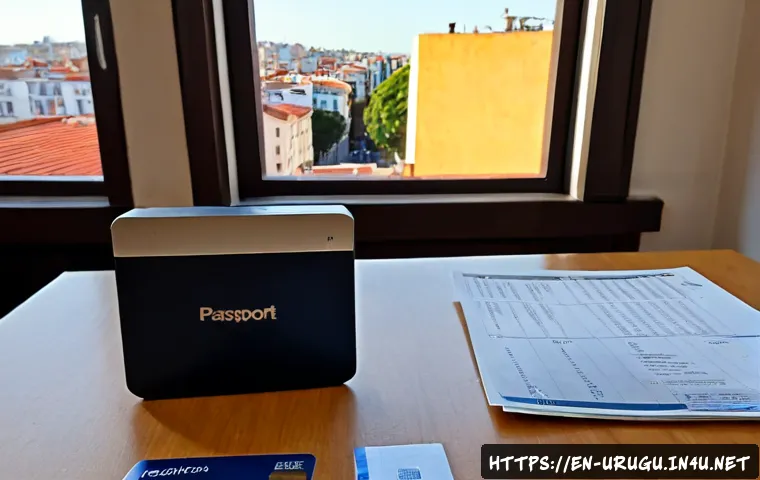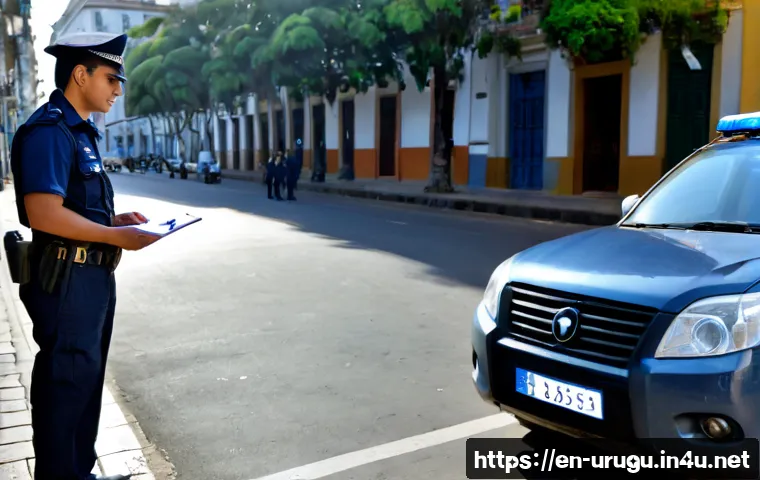
If you become a crime victim in Uruguay, first move to a safe place, get urgent help if needed, and secure your money and accounts. Then document what happened and seek a police report or other official reference when it is needed for a bank dispute, travel insurance claim, or passport replacement.
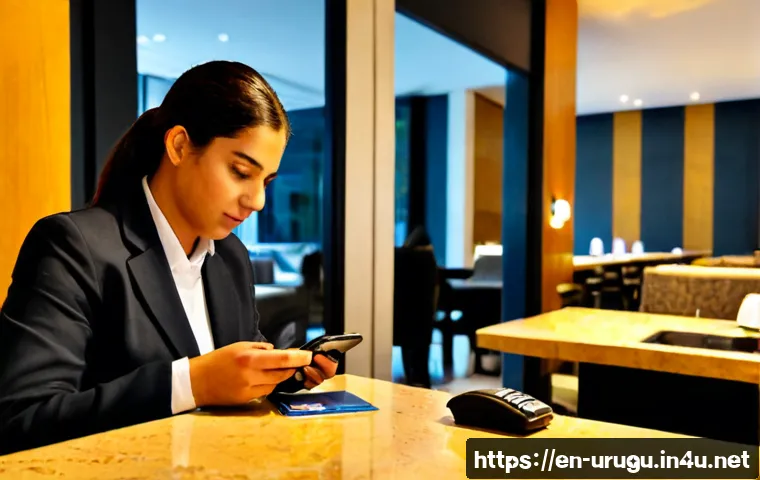
A calm sequence matters more than trying to solve every problem at once. Hotel staff, a host, a trusted local contact, or your emergency assistance provider may help you navigate local procedures.
Current emergency routing, reporting requirements, consular hours, and insurance rules can change, so verify them locally before relying on any single step.
At a Glance
- Get safe first: move to a populated, secure place and seek urgent medical help when needed.
- Contact the right help: ask local emergency services, accommodation staff, or a trusted person to help you report the incident.
- Document and protect: freeze cards, secure accounts, save evidence, and keep every report reference number.
| Who to Contact | Best First Reason | What to Keep |
|---|---|---|
| Police or local authorities | Crime reporting, official evidence, stolen property, or document loss | Report number, officer or office details, and a copy if available |
| Bank or card issuer | Card fraud, suspicious transactions, lost cards, or ATM concerns | Transaction screenshots, alert messages, and the case reference |
| Travel insurer or emergency assistance service | Medical support, theft claims, emergency travel changes, or replacement planning | Policy details, claim instructions, deadlines, and required documents |
| Accommodation provider | Immediate safe shelter, help contacting services, or arranging safer transport | Incident notes, booking information, and messages exchanged |
| Embassy or consulate | Lost or stolen passport and consular document planning | Identity documents, police report details, and appointment instructions |
First Actions: Get Safe, Get Help, and Protect Your Accounts
Your first priority is personal safety, not property recovery. Leave the area if you feel unsafe. Go to a busy business, your hotel, a trusted contact’s location, or another secure place. If you are injured, threatened, or in immediate danger, seek urgent medical or emergency help without waiting to collect every detail.
Move to a populated, secure location
Do not return alone to look for a phone, bag, wallet, or suspected offender. If your accommodation no longer feels suitable, ask staff or your travel assistance provider about a secure accommodation option or safer transport. Keep your next steps simple: safety, communication, accounts, then paperwork.
Contact local help with practical support
Emergency contact procedures can change. Ask a hotel receptionist, host, tour operator, trusted local person, or local authority how to reach the appropriate service. If language is a barrier, request help explaining the facts clearly. Stick to what you know: where it happened, when it happened, what was taken, and whether anyone needs medical care.
Freeze cards and secure digital access
Contact your bank or card issuer promptly if a card, phone, wallet, or login information may be compromised. Freeze or block exposed payment cards where available. Change passwords for email first, then financial accounts and other important services. If a phone was stolen, use its device-security tools if you can do so safely, and avoid sharing account recovery codes with anyone.
Which Service Should You Contact First?
The right order depends on the incident. Immediate danger or injury comes before reporting. Fraud usually requires a fast call to the bank or card provider. A lost passport typically requires both a local report process and consular-document planning. For theft-related travel insurance, an insurer may request particular documents, so ask what it needs before disposing of evidence.
When a police report may be essential
A police report or official incident reference may be important for a theft claim, lost passport process, accommodation dispute, or proof of an event. Requirements are not universal. Ask the receiving office how to obtain a reference number and whether a copy, receipt, or follow-up step is available. Record the reporting date, location, and the names or identifying details of personnel when provided.
What emergency assistance may cover
An emergency assistance plan may provide coordination rather than direct payment. It may help with medical support, travel changes, communication, transport, or advice on replacement arrangements, depending on the policy. Before relying on it, confirm eligibility, reporting deadlines, exclusions, deductibles, theft limits, and authorization requirements. Do not assume a service will reimburse expenses simply because it arranged help.
Document the Incident Without Creating More Risk
Good records can make reporting and claims easier, but documentation should never put you back in danger. Write notes once you are safe. Use a cloud account or trusted contact to preserve copies if your device access is uncertain.
Record the basic timeline
Note the approximate time and place, a description of what happened, items affected, transaction details, and witness contact information if voluntarily provided. For stolen belongings, list identifying details you already have, such as device information, account names, or purchase records. Avoid guessing when you are unsure.
Save useful evidence
Keep screenshots of banking alerts, emails, booking messages, receipts, photos of damage where safe, and every case or report number. Save a record of calls with your bank, insurer, accommodation provider, and consular office. A simple written timeline can prevent conflicting details later.
Avoid common mistakes
Do not confront a suspect. Do not publish passport details, card information, report numbers, or your real-time location on social media. Do not return alone to an unsafe location for photos or belongings. Also, avoid cancelling accounts before you have saved the information your bank or insurer may need, unless immediate security requires it.
Steps by Situation: Theft, Card Fraud, Assault, and Lost Passport
Stolen phone, bag, or electronics
Start with account recovery and device security. Secure email because it often controls password resets for other accounts. Block payment cards, review saved payment methods, and sign out of sessions where possible. If a bag was stolen, check which documents, keys, cards, and devices were inside rather than focusing only on the bag itself.
Card or ATM fraud
Notify the bank or card issuer quickly and review recent transactions. Ask how to report unauthorized activity and what temporary card-security steps it recommends. Keep screenshots and note when you first noticed the issue. Do not rely on memory alone, especially if more than one card or payment app may have been exposed.
Assault or threats
Seek medical care and trusted support first. If you want to report the incident, preserve information that may be relevant, but do not delay treatment for evidence collection. Consider asking a trusted person, accommodation staff member, emergency assistance provider, or consular contact to help you understand available support and safer next steps.
Lost or stolen passport

Report the loss or theft through the appropriate local process if required, then contact your embassy or consulate for replacement-document guidance. Secure copies of any identity documents you still have, and protect personal information that may have been in the passport wallet or bag. Consular procedures and opening hours can change, so verify current instructions directly before traveling to an office.
Choosing Emergency Support and Coverage: A Practical Comparison
After the immediate crisis, compare options based on what solves the next practical problem. A low-cost option is not always the safest option if it leaves you without secure transport, a private place to make financial calls, or a clear path to replacement documents.
Compare travel insurance by usable support
Look beyond a general claim promise. Compare emergency assistance availability, medical support, theft coverage limits, deductibles, reporting deadlines, documentation rules, and authorization requirements. Ask whether the policy coordinates services while you travel or only reviews expenses later.
When safer accommodation or transport may be worthwhile
Changing accommodation or arranging secure transport can be a reasonable decision when you feel unsafe, have lost keys or address information, or need privacy to contact banks and consular services. Before paying, ask whether the provider can confirm costs, cancellation terms, location safety features, and check-in requirements. Keep receipts and written confirmations for any potential insurance review.
Questions to ask before accepting help
Ask insurers what documents they require and when they must be submitted. Ask banks how to secure accounts and challenge suspicious transactions. Ask accommodation providers what immediate safety support they can provide. Ask consular offices what identity evidence and reporting records may be needed for document planning.
Preventing a Second Loss During the Rest of Your Trip
Once the immediate issue is contained, reduce the chance of another disruption. Use a different payment method only after confirming it is secure. Keep replacement documents, cards, and devices separate rather than carrying everything in one bag.
Use safer payment and document habits
Review account alerts regularly. Keep digital copies of travel documents in a protected location, and share essential itinerary details with a trusted person when appropriate. Use transport plans that let you avoid displaying cash, cards, or replacement documents unnecessarily.
Update your itinerary and security settings
Tell relevant contacts if your phone number, accommodation, or travel plans have changed. Update passwords after a suspected account exposure, review recovery email addresses, and remove unfamiliar devices or sessions. If you change hotels, confirm that important messages from your insurer, bank, or consulate can still reach you.
Selection Criteria and Comparison Summary
Before choosing an emergency assistance service, travel insurance option, or replacement accommodation, check these points:
- Immediate safety: Can the option help you reach a secure place or arrange safe transport?
- Documentation: Does it explain which reports, receipts, and case numbers you need to keep?
- Financial protection: Are card security, theft limits, deductibles, and claim deadlines clear?
- Practical access: Can you reach support while abroad and obtain instructions in a usable format?
- Replacement planning: Does it support medical, passport, device, or accommodation needs relevant to your situation?
For official guidance and detailed coverage terms, check the relevant provider’s information page before making a decision.
Conclusion
Being the victim of theft, fraud, assault, or document loss can feel overwhelming, especially away from home. Focus on safety first, then secure accounts, preserve key evidence, and contact the organization that can solve the most urgent problem. Keep your notes factual and your documents organized. Local procedures and policy terms may change, so verify current requirements before filing a report, claim, or replacement request.
Useful Information to Keep in Mind
Keep one written timeline. It can be used when speaking with police, banks, insurers, accommodation providers, and consular staff.
Protect your email account early. It may be the gateway to banking, booking, and password recovery.
Keep reference numbers. A report number, bank case number, or insurer claim number can be more useful than a long verbal explanation.
Important Notes
This is a general planning guide, not a substitute for local emergency instructions, legal advice, medical care, banking guidance, insurance policy terms, or consular directions. Emergency phone routing, police reporting procedures, insurance coverage limits, and service availability in Uruguay may change. Confirm current local requirements directly with the relevant authority or provider.
Frequently Asked Questions
Q1. Should I file a police report in Uruguay after my phone or passport is stolen?
A1. A report may be important for a stolen passport process, an insurance claim, or an official record of theft. Requirements can vary, so ask the relevant authority, insurer, or consular office what documentation it needs and keep the report reference number.
Q2. Does travel insurance usually require a police report for theft or crime-related claims?
A2. Some policies may request an official report or other evidence, while requirements differ by policy and incident type. Contact the insurer promptly, ask about deadlines and required documents, and keep all receipts, screenshots, and case references.
Q3. What should I do first if my bank card is used fraudulently while I am in Uruguay?
A3. Contact the bank or card issuer as soon as possible, secure or freeze the card if available, and review suspicious transactions. Save alerts and screenshots, ask for a case reference, and follow the issuer’s instructions for disputing unauthorized activity.