
Uruguay is a gem, isn’t it? Nestled between giants, this little country often surprises first-time visitors with its vibrant culture, stunning coastline, and incredibly warm people.
But after years of globetrotting and diving deep into local customs, I’ve learned something invaluable: truly experiencing a place means understanding its unspoken rules, the subtle nuances that can make all the difference between an okay trip and an absolutely unforgettable one.
It’s not just about what to see or eat anymore; in our hyper-connected world, responsible and respectful travel has become a massive trend, and honestly, it’s what separates a casual tourist from a genuine explorer.
I’ve personally seen how a simple misunderstanding, often unintentional, can create awkward moments or even unintentionally disrespect local traditions.
You might think you’re being polite, but without a little insider knowledge, you could easily step on a cultural toe or two without even realizing it.
From my own adventures, I can tell you that the best memories are often made when you navigate these subtle cultural landscapes with grace. So, if you’re planning a trip to this beautiful South American nation, or just curious about how to be the best kind of visitor, stick around.
We’re about to uncover some essential cultural insights and vital etiquette tips for Uruguay that will elevate your travel experience and ensure you connect with locals on a deeper, more meaningful level.
Let’s make sure your Uruguayan adventure is nothing short of amazing, and I’ll lay out exactly what to keep in mind.
Embracing the Warmth: Unspoken Social Cues
Stepping into Uruguay, you’re immediately enveloped by a genuine warmth, a friendliness that’s incredibly refreshing. But beyond the smiles, there are some beautiful unspoken rules that, once you grasp them, truly open doors to deeper connections. I remember my first time in Montevideo, extending a handshake, only to be met with a friendly kiss on the cheek – a beso! It can feel a little surprising if you’re not used to it, especially coming from cultures where personal space is almost a sacred boundary. For women, it’s customary to greet both men and women with one kiss on the right cheek. Men usually shake hands with other men, but if they’re close friends or family, a hearty hug, known as an abrazo, is perfectly normal and even expected. It’s about showing affection and recognition, a lovely aspect of their culture that I’ve come to adore. Don’t be shy; lean into it, and you’ll find yourself feeling much more integrated into the social fabric. Eye contact is also key here; it shows sincerity and respect, and avoiding it might be perceived as standoffish, which is the last thing you want when everyone is so eager to welcome you. I’ve found that a genuine smile and direct eye contact go a long way in forging those initial connections.
The Art of the Uruguayan Greeting
When you first meet someone, or even when you’re just saying hello to an acquaintance, the default isn’t a simple wave. As I mentioned, for women, expect a single kiss on the right cheek – it’s a quick brush and often accompanied by a light hug or pat on the back. For men meeting women, the kiss is also standard. For men meeting men, a firm handshake is the usual go-to. However, if you see them greeting with an abrazo, especially in more casual or familiar settings, it signifies a closer bond. It’s important not to recoil or seem uncomfortable; embrace the warmth! I once saw a traveler visibly stiffen when approached for a kiss, and while the local understood, you could tell it created a slight awkwardness. A simple, “Hola, ¿qué tal?” (Hello, how are you?) with a confident lean-in will serve you well. It shows you’re open to their customs and appreciate their friendliness, which really warms them up to you.
Navigating Personal Space in Public
Unlike some cultures where maintaining a significant distance is common, Uruguayans tend to have a closer personal space bubble. You’ll notice people standing closer when talking, and it’s not a sign of aggression or rudeness, but rather a normal part of conversation. When I was first exploring local markets, I instinctively stepped back a few times, only to realize I was subtly communicating discomfort. It’s a subtle but important adjustment. Don’t be surprised if someone stands quite near you while chatting, or if you find yourself in a rather cozy queue. It’s just how things are! The key is to relax and let go of your preconceived notions about personal distance. This closeness extends to conversations; sometimes, a gentle touch on the arm or shoulder is a natural part of emphasizing a point. It’s all part of their expressive and communal nature.
The Ritual of Mate: More Than Just a Drink
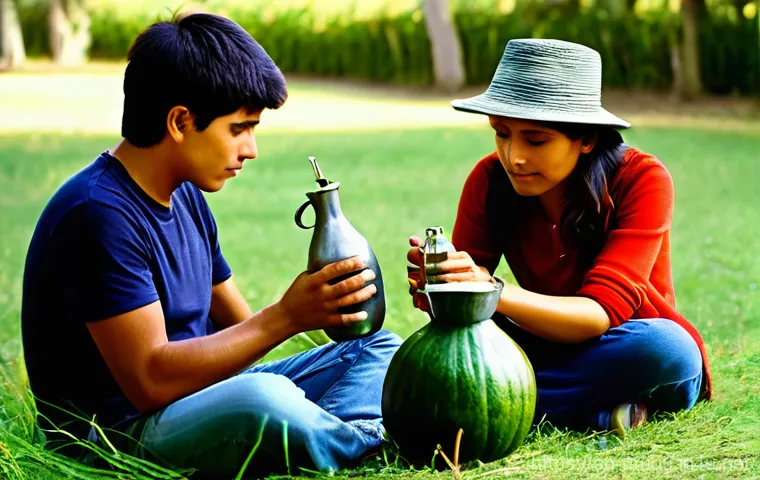
If there’s one single item that encapsulates Uruguayan culture, it’s undoubtedly mate. Seriously, you’ll see people everywhere – on buses, walking down the street, at the beach, in offices – carrying their thermos, gourds, and bombillas (straws). It’s not just a beverage; it’s a social cornerstone, a ritual, and a symbol of companionship. I’ve had so many incredible conversations and felt truly accepted when invited to share mate. It’s an act of friendship and trust. The first time I was offered mate, I wasn’t sure what to do with the shared straw. My initial thought was hygiene, but quickly realized that’s just not how it works here. The unspoken rule is: you drink it, pass it back to the server (the cebador), who then refills and passes it to the next person in the circle. It’s a continuous loop, and it’s considered rude to refuse an offer without a good reason. You’re expected to drink the entire gourd before passing it back, usually with a grateful “gracias.” When you’ve had enough, say “gracias” when you return the gourd, indicating you’re done. It’s fascinating how this simple act fosters community and connection. I’ve learned some of my best Spanish sitting in a mate circle, just absorbing the flow of conversation and the shared experience.
Understanding the Mate Ceremony
The mate ceremony, for lack of a better word, is truly something special. It’s not about speed or quantity, but about the shared experience. The cebador is typically the one who prepares the mate and serves it. They will pour hot water into the gourd, and then pass it to the person on their right. You take the gourd, drink until you hear a gurgling sound indicating it’s empty, and then return it directly to the cebador, who will then refill and pass it to the next person. It’s usually served without sugar unless specified (mate dulce), so expect a bitter, earthy taste. Don’t stir the bombilla or move the yerba (the dried leaves) around; this is considered impolite as it can clog the straw or disturb the carefully prepared mound of yerba. Just enjoy the flavor and the company. I remember once, eager to try, I stirred it around like it was tea. The gentle smiles and quick correction taught me a valuable lesson. It’s a delicate balance of tradition and personal preference, and showing you respect the ritual goes a long way.
Mate Etiquette: Do’s and Don’ts
So, you’re invited to a mate circle – fantastic! Here are a few things I’ve picked up over my travels. Firstly, always accept when offered, unless you genuinely can’t. If you decline, a polite “no, gracias” is fine, but try not to make it a habit if you want to integrate. When it’s your turn, drink it all. Don’t sip and pass; it’s meant to be enjoyed. The “gracias” when you return the gourd signifies you’ve finished for good, so only say it when you’re done. If you want more, simply pass it back without saying anything. And please, don’t fiddle with the bombilla! It’s there for a reason, and moving it can cause the yerba to shift, making it harder for the next person to drink. Also, avoid adding anything to your mate unless explicitly offered. This isn’t a customization game; it’s about sharing the experience as it is. Think of it as joining a specific type of conversation – you wouldn’t interrupt constantly, right? Sharing mate is a fluid, continuous conversation. It’s a really intimate way to connect with locals and experience a true slice of Uruguayan life.
Dining Etiquette: Savory Delights and Table Manners
Uruguayan cuisine is a carnivore’s dream, with some of the best beef in the world. But beyond the deliciousness, there are some table manners that are good to keep in mind to show respect and fully enjoy your meals. Dining here is often a leisurely affair, meant to be savored with good company. Unlike some fast-paced dining experiences, here it’s about taking your time, enjoying the conversation, and truly appreciating the food. I’ve learned that meals can stretch for hours, especially on weekends, and rushing through is definitely not the local style. When you’re invited to someone’s home, it’s customary to bring a small gift, like a bottle of wine or a dessert. It’s a lovely gesture that shows appreciation for their hospitality. I’ve found a nice bottle of Tannat wine, a local specialty, always goes down well! Also, keep your hands visible above the table, but don’t rest your elbows on it. This is a common practice across many cultures, but it’s particularly noticeable here. It’s a subtle sign of good upbringing and respect for the meal and your hosts. Oh, and if you’re offered seconds, it’s usually polite to accept, even if just a small portion, to show you’re enjoying the food.
Navigating Restaurant and Home Dining
Whether you’re in a bustling parrillada (steakhouse) or enjoying a homemade meal, the vibe is generally relaxed. In restaurants, service might seem slower than you’re used to, but it’s not inefficiency; it’s part of the laid-back pace of life. Don’t try to rush your server; just enjoy the moment. When eating in someone’s home, wait for the host to indicate where to sit and when to start eating. It’s a sign of respect for their home and their role as host. Complimenting the food is always appreciated, and asking for the recipe (if appropriate and genuine) can be a lovely way to connect. I once tried to rush a meal at a friend’s house because I had plans, and while they were gracious, I could tell it felt a little out of sync with their rhythm. Uruguayan meals are meant to be an experience, not just a necessity. If you’re unsure about anything, observing how others around you are behaving is your best bet.
Tipping and Bill Splitting
When it comes to tipping in restaurants, a 10% tip is standard if the service charge isn’t already included. You can leave it in cash on the table or tell your server to add it to your credit card bill. For other services, like taxi drivers or hotel staff, tipping isn’t strictly necessary but is always appreciated for good service. For example, rounding up a taxi fare is a nice touch. When dining out with friends, it’s very common for people to split the bill evenly, regardless of who ordered what. This isn’t always the case, but it’s a frequent occurrence, especially in more casual settings. Sometimes, if someone has had a particularly expensive dish or drinks more, they might offer to pay a bit extra, but often it’s just divided. If you’re keen on paying for your share exactly, just ask, but be prepared for the possibility of an even split. It’s a communal way of handling things, reflecting their collective spirit.
Understanding Uruguayan Time and Punctuality
Ah, time in Uruguay! This is one of those subtle cultural differences that can genuinely impact your plans if you’re not aware. While business meetings and formal appointments generally adhere to strict punctuality, social gatherings often operate on a more flexible schedule. What might be considered “late” in some cultures is simply “on time” or even “early” here. I remember being invited to a dinner party for 8 PM, and I arrived promptly, only to find the host still getting ready and other guests slowly trickling in closer to 9 PM. It taught me a valuable lesson: for social events, being 15-30 minutes “late” is often perfectly acceptable, sometimes even expected. This isn’t a sign of disrespect, but rather a reflection of their laid-back approach to life. However, don’t mistake this for an excuse to be excessively late or disrespectful of formal commitments. For business, doctors’ appointments, or anything that involves professionals, strive for punctuality. My advice? Confirm the nature of the meeting. If it’s a casual gathering, embrace the relaxed pace. If it’s professional, be on time. It’s a delicate balance to strike, but once you get the hang of it, it becomes quite liberating. This flexibility also extends to public transportation, so factor in a little extra time if you have a tight schedule.
The Rhythm of Social Engagements
When planning to meet friends for coffee or dinner, expect a fluid schedule. The phrase “ahora” (now) or “un ratito” (a little while) can be quite elastic. “Ahora” might mean in five minutes, or it could mean in an hour. It’s not meant to be misleading, but rather indicates a more relaxed concept of immediacy. I’ve personally learned to adopt a more flexible mindset when it comes to social appointments. Instead of fixating on a precise minute, I now think of it as a window of time. If you’re invited for dinner at 9 PM, arriving between 9:15 and 9:30 PM is often seen as perfectly polite. The hosts might still be preparing, and your slightly later arrival can actually ease their stress. It allows for a more natural flow, rather than rigid adherence to the clock. This relaxed approach to time truly encourages spontaneity and a less stressful social life, something I’ve come to appreciate deeply during my stays.
Punctuality in Professional Settings
While social time is flexible, professional settings are a different story. For job interviews, business meetings, or any formal appointment, aim to be on time, if not a few minutes early. Punctuality in these contexts demonstrates respect, reliability, and professionalism. Doctors’ appointments, banking hours, and government offices will also expect you to adhere to scheduled times. Running late for a professional engagement can be perceived as unprofessional and might even cause you to miss your slot. I recall an instance where I was late for a formal meeting because I applied my social time understanding, and it definitely caused a slight hiccup in the initial impression. So, distinguish carefully between the two: when it’s work or a formal commitment, be prompt. When it’s a casual get-together with friends, feel free to breathe and arrive within the accepted social window. It’s about adapting to the context, which is key to navigating any new culture smoothly.
Shopping and Tipping: Handling Transactions with Grace
Shopping in Uruguay can be a delightful experience, from bustling street markets to modern malls. Knowing a few etiquette tips can make your transactions smoother and more enjoyable. When you’re at a market, for instance, haggling is generally not customary for everyday items, especially in supermarkets or established stores. Prices are usually fixed. However, in flea markets or when buying artisanal crafts, a polite and lighthearted negotiation might be possible, but don’t push it too hard. It’s more about building a friendly rapport than aggressively bargaining. Always try to use the local currency, the Uruguayan Peso (UYU). While some tourist-heavy spots might accept US dollars, using pesos shows respect and makes transactions easier for locals. Credit cards are widely accepted in larger establishments, but it’s always good to have some cash for smaller vendors or emergencies. I’ve found having small denominations of pesos particularly useful for street vendors or when buying a quick snack. It saves everyone hassle. When you’re making a purchase, a simple “gracias” (thank you) and a smile go a long way in fostering positive interactions. Remember, it’s not just about the transaction itself, but the human connection.
Currency and Payment Methods
The official currency is the Uruguayan Peso (UYU). While US dollars are sometimes accepted in tourist areas, especially for larger purchases, it’s always best to pay in pesos. You’ll generally get a better exchange rate by converting your money at an exchange house (casa de cambio) or withdrawing from an ATM, rather than paying in USD. ATMs are widely available in cities and towns. Most major credit cards (Visa, MasterCard) are accepted in supermarkets, restaurants, and larger stores. However, for smaller shops, market stalls, and public transport, cash is king. I always make sure to have a mix of both, usually carrying around UYU 500-1000 in smaller bills for daily expenses. This way, I’m never caught off guard and can easily pay for things without needing exact change, which is always appreciated by vendors. Knowing your denominations also helps avoid any potential confusion during transactions. It’s always good practice to check your change, just as you would anywhere else in the world, not out of distrust, but simply out of habit.
Tipping Beyond Restaurants
Outside of restaurants, tipping isn’t as prevalent as in some other countries, but it’s still a nice gesture for good service. For taxi drivers, rounding up the fare to the nearest convenient peso amount is common. For instance, if the fare is UYU 185, you might give UYU 200. Hotel staff, like porters, might appreciate a small tip (e.g., UYU 50-100) for carrying your bags. Hairdressers or barbers might also receive a small tip if you’re very happy with their service. Tour guides, especially for longer or more personalized tours, certainly appreciate tips. The amount can vary depending on the length and quality of the tour, but UYU 100-200 per person for a half-day tour or UYU 200-400 for a full-day tour would be a good guideline. It’s never obligatory, but it serves as a meaningful thank you for excellent service. I’ve always found that a small tip given with a genuine smile makes a world of difference in how I’m remembered and how I feel about the interaction.
Respecting Public Spaces and Local Customs

Uruguayans take great pride in their public spaces, from pristine beaches to well-maintained city parks. Showing respect for these areas and their local customs is essential for being a thoughtful traveler. Littering is generally frowned upon, and you’ll find that people are quite diligent about keeping their surroundings clean. It’s a small but significant detail that reflects their collective responsibility towards their environment. When enjoying a picnic or spending time at the beach, always make sure to clean up after yourself and dispose of trash properly. I’ve often seen locals carefully gathering every scrap of their picnic, leaving no trace behind, and it’s a practice worth emulating. Another important aspect is respecting quiet hours, especially in residential areas, particularly during siesta time in smaller towns or late at night. While Uruguayans love to socialize, they also value peace and quiet in their neighborhoods. Keep noise levels down, particularly if you’re staying in an apartment or hotel. These small acts of consideration contribute significantly to a harmonious travel experience and show that you value their home as much as they do. It’s about blending in and being a good neighbor, even if you’re just visiting for a short while.
Beach Etiquette and Enjoying the Coastline
Uruguay boasts stunning coastlines, especially in places like Punta del Este and La Pedrera. When you’re at the beach, remember to respect other beachgoers’ space. While beaches can get crowded, particularly in peak summer months, there’s an unspoken understanding of not setting up your towel right on top of someone else’s. If you’re playing music, keep it at a respectful volume. Also, it’s common for vendors to walk along the beach selling snacks, drinks, and sometimes even crafts. A polite “no, gracias” is sufficient if you’re not interested. Nudity is not common on most public beaches, so generally keep your swimwear on. There might be a few designated spots, but these are exceptions. Always remember to take all your trash with you when you leave. The beauty of these beaches is cherished, and leaving them spotless is a collective effort. I’ve spent countless hours enjoying the Uruguayan coastline, and the respect people show for these natural wonders is truly inspiring.
Navigating Public Transport and Queues
Public transport in Uruguay, particularly buses in cities like Montevideo, is efficient and widely used. When boarding a bus, it’s customary to enter through the front door and pay the driver directly or use a Movi card. Be mindful of others and move to the back of the bus to make space for new passengers. Offering your seat to elderly people, pregnant women, or those with small children is a polite gesture that is widely appreciated and often expected. Queues (colas) are generally respected, whether it’s at a bank, a supermarket, or a bus stop. Don’t try to cut in line; it’s considered rude and will likely earn you some disapproving looks. Patience is a virtue here, so just relax and wait your turn. I’ve found that being polite and following the unspoken rules of queuing makes the experience much smoother for everyone involved. It reflects a collective sense of order and respect for one another’s time, even in busy urban environments. Just like anywhere else, a bit of common courtesy goes a long way.
Safety Smarts and Staying Connected
Traveling anywhere requires a degree of awareness, and Uruguay is no exception. While generally a very safe country, especially compared to some of its neighbors, it’s always wise to exercise common sense and be prepared. Just like in any city around the world, petty crime like pickpocketing can occur, particularly in crowded tourist areas or on public transport. I always advise keeping an eye on your belongings, especially your phone and wallet. I personally use a cross-body bag that keeps my essentials secure and close to my body. Avoid flaunting expensive jewelry or large amounts of cash. When you’re out and about, especially in the evenings, stick to well-lit and populated streets. If you’re unsure about an area, ask your hotel staff or a trusted local for advice. Uruguayans are generally very helpful, and they’ll be happy to guide you. Staying connected is also crucial, not just for safety but for navigation and sharing your experiences. A local SIM card or an international roaming plan can be incredibly useful. Knowing emergency numbers and keeping a physical map (just in case your phone dies!) are small steps that make a big difference in ensuring a smooth and worry-free trip. It’s not about being paranoid, but about being smart and proactive, which honestly enhances the entire travel experience.
Staying Aware in Urban Areas
In cities like Montevideo, particularly in busy areas or during large events, it’s crucial to be mindful of your surroundings. Pickpocketing can be a concern, so avoid putting your wallet in your back pocket or leaving your phone unattended on a table at a cafe. I always recommend carrying only what you need for the day and leaving important documents, like your passport, securely stored in your accommodation. If you must carry your passport, keep it in a secure, hidden pouch. When using ATMs, try to use them during daylight hours and be aware of anyone lingering nearby. Trust your gut; if a situation feels off, it probably is. I’ve learned that a healthy dose of caution, combined with a friendly demeanor, is the best approach. Don’t let these precautions overshadow the amazing experiences; they’re simply practical steps to ensure you can fully enjoy your time without unnecessary worries. It’s about being street-smart, not fear-driven.
Essential Contacts and Connectivity
Having a local SIM card can be a game-changer for navigating Uruguay. Companies like Antel, Claro, and Movistar offer prepaid SIMs that are relatively inexpensive and provide good coverage. This allows you to use maps, translate, and stay in touch with your travel companions or family back home. Before you arrive, make sure your phone is unlocked so it can accept a local SIM. Alternatively, check if your current provider offers an international roaming plan that’s cost-effective. Always save emergency numbers in your phone: 911 for police, fire, and ambulance. It’s also a good idea to have the address and phone number of your country’s embassy or consulate handy. For longer stays, consider investing in a portable Wi-Fi device. I’ve found that being connected significantly reduces stress, especially when you’re trying to find your way around or need to look something up quickly. It’s about empowering yourself with information and communication, making your Uruguayan adventure both safe and thoroughly enjoyable.
Navigating Transportation: Getting Around Like a Local
Getting around Uruguay, whether in its charming cities or across its beautiful countryside, is an experience in itself. Understanding the local transportation options and their nuances can really enhance your trip, helping you to feel more like an explorer and less like a bewildered tourist. For instance, in Montevideo, the local bus system is incredibly extensive and affordable. It’s a fantastic way to see the city and mingle with locals. However, knowing your routes and having small change or a Movi card is essential, as drivers might not always have change for large bills. I’ve personally spent many hours on Montevideo’s buses, observing daily life unfold outside the window – it’s a window into the soul of the city. For longer distances, intercity buses are comfortable, reliable, and a popular choice for traveling between towns and cities like Colonia del Sacramento or Punta del Este. These bus terminals, or terminales, are usually well-organized and easy to navigate. Taxis and ride-sharing apps like Uber are also available in larger cities, offering convenience, especially at night. It’s all about choosing the right mode of transport for your adventure, and knowing a few key details can make all the difference in a smooth journey. Embrace the journey itself, as it’s often part of the destination!
Public Buses in the City
Montevideo’s bus system is truly impressive. Buses cover almost every corner of the city, and fares are quite reasonable, usually around UYU 47-56 per ride (as of my last visit). You can pay with cash directly to the driver (try to have small bills or exact change) or purchase a Movi card, which can be topped up at various kiosks. The Movi card often offers a slight discount per ride and makes boarding quicker. Bus stops are marked with signs indicating the routes. Google Maps is surprisingly accurate for bus routes and times here, which is a lifesaver. Just remember that buses can get crowded during peak hours, so be prepared for a cozy ride. If you’re carrying a large backpack, it’s polite to take it off and hold it to avoid bumping into other passengers. I always make sure to validate my ticket or tap my Movi card, not just to avoid fines, but because it’s part of the respectful process of using public services. It’s a fantastic way to experience the city’s pulse without breaking the bank.
Intercity Travel and Rental Cars
For traveling between cities, Uruguay’s intercity bus network is excellent. Companies like COT, Turil, and Copsa offer frequent services to popular destinations. Buses are generally modern, comfortable, and often include amenities like air conditioning and even Wi-Fi on some routes. You can buy tickets at the bus terminal or sometimes online. Booking in advance, especially for popular routes or during holidays, is a good idea. For those who prefer more independence, renting a car is an option, especially if you plan to explore rural areas or visit multiple smaller towns off the main bus routes. Roads are generally well-maintained, but some rural roads can be unpaved. Remember that Uruguayans drive on the right side of the road. An international driving permit is usually required in addition to your home country’s license. Always check for insurance options and thoroughly inspect the car before you drive off. While I’ve mostly relied on buses, renting a car for a few days to explore the countryside was an unforgettable experience, allowing me to discover hidden gems at my own pace.
Language Nuances: Beyond Just Spanish
While Spanish is the official language, the way it’s spoken in Uruguay, particularly the Rioplatense dialect, has its own delightful quirks and nuances. It’s more than just a different accent; there are specific vocabulary and grammatical structures that differentiate it from other forms of Spanish. Learning a few key phrases in the local dialect can not only help you navigate but also truly endear you to the locals. They genuinely appreciate the effort. For instance, instead of the standard “tú” for “you” (informal singular), Uruguayans (and Argentinians) use “vos.” This also changes the verb conjugations. So, instead of “tú tienes” (you have), you’ll hear “vos tenés.” This was one of the first things that surprised me, and honestly, a bit confusing at first, but once you get the hang of it, it’s quite charming. I’ve found that even attempting to use “vos” brings out warm smiles and often encourages locals to speak more slowly or clearly, making conversations easier. English is spoken in tourist areas and by younger generations, but venturing a little outside these bubbles, having some basic Spanish is incredibly helpful. It’s not just about communicating, but about connecting on a deeper level, showing respect for their culture, and truly immersing yourself in the local way of life. Don’t be afraid to make mistakes; they’re often excellent conversation starters!
The Rioplatense Dialect and ‘Vos’
The most distinctive feature of Uruguayan Spanish is the use of “vos” instead of “tú” for the informal second-person singular pronoun. This linguistic quirk, known as voseo, also affects verb conjugations. For example, for verbs ending in -ar, the “vos” conjugation is typically formed by dropping the ‘r’ and adding an ‘s’ with an accent on the last vowel (e.g., “hablar” becomes “vos hablás”). For -er and -ir verbs, the ‘r’ is dropped and an ‘s’ with an accent on the last vowel is added, but the vowel is ‘e’ for both (e.g., “comer” becomes “vos comés,” “vivir” becomes “vos vivís”). It takes a little practice, but even attempting to use it will be greatly appreciated. I remember trying to conjugate verbs with “vos” initially, often stumbling, but locals were always patient and encouraging. It’s a beautiful part of their linguistic identity. While understanding “tú” will still get you by, embracing “vos” is a wonderful way to show your dedication to truly engaging with the local culture and language, and it truly makes a difference in interactions.
Common Phrases and Gestures
Beyond “vos,” knowing a few key phrases can significantly enhance your interactions. “Por favor” (please) and “gracias” (thank you) are universal and essential. “Permiso” (excuse me/pardon me) is useful when navigating crowded spaces. “Con permiso” is used when you need to pass someone or interrupt. For greetings, “Hola, ¿cómo andás?” (Hello, how are you?) is a common, friendly option. “Todo bien” (all good) is a frequent response. Uruguayans are also quite expressive with gestures. For instance, placing your hand under your chin and flicking it outwards can mean “I don’t care” or “it’s nothing.” Tapping your index finger on your temple can indicate someone is crazy or acting strangely. Observing these non-verbal cues can be just as important as understanding the words. When asking for directions, don’t be afraid to use hand gestures yourself; they’re often part of the natural communication flow. I’ve found that a combination of a few Spanish phrases, an open attitude, and a willingness to use gestures can bridge many communication gaps and lead to some truly memorable and authentic interactions. It’s all part of the grand adventure of exploring a new place!
| Cultural Insight | Etiquette Tip | My Personal Takeaway |
|---|---|---|
| Greetings (Kiss on Cheek) | Lean in, one kiss on right cheek for women/men meeting women. Men shake hands with men, or hug if close. | Embrace the warmth; it’s a beautiful sign of immediate connection and trust. |
| Mate Sharing | Accept when offered, drink all before passing back to cebador, say “gracias” when done. | Participate wholeheartedly; it’s a social ritual that fosters deep bonds and conversation. |
| Punctuality | Be on time for professional appointments. Social gatherings have more flexible timing (15-30 mins “late” is often fine). | Distinguish between formal and informal; relax for social events but be prompt for business. |
| Tipping (Restaurants) | 10% is standard if service not included. Leave cash or add to card. | A small token of appreciation for good service always makes a difference. |
| “Vos” usage | Understand and attempt to use “vos” instead of “tú” for informal singular “you”. | Making the effort shows respect for their unique dialect and earns genuine smiles. |
Wrapping Things Up
Diving into Uruguay’s vibrant culture has been an absolute joy, and I truly hope this guide helps you feel more at home and connected during your travels. What I’ve learned, time and again, is that the heart of Uruguayan culture lies in its warmth, its sense of community, and the genuine desire to share their beautiful way of life. By understanding and respecting these unspoken cues – from sharing mate to embracing the flexible pace of social time – you’re not just visiting; you’re truly immersing yourself. It’s an enriching experience that goes beyond mere sightseeing, forging real connections that linger long after you’ve returned home. So, go on, lean into the adventure, and let the magic of Uruguay truly embrace you!
Handy Tips for Your Uruguayan Adventure
1. Embrace the Local Greetings: Don’t shy away from the traditional kiss on the cheek (beso) with women or men meeting women, and a firm handshake or hearty hug (abrazo) for men. It’s a beautiful sign of warmth and immediate acceptance.
2. Participate in the Mate Ritual: When offered mate, accept it! Drink until the gourd is empty, then return it to the cebador. Say “gracias” only when you’re completely finished. It’s a key to social bonding.
3. Master Uruguayan Time: Be punctual for professional or formal appointments, but for social gatherings, arriving 15-30 minutes “late” is often considered perfectly on time. Embrace the laid-back rhythm!
4. Learn Basic Rioplatense Spanish: While English is spoken in tourist areas, learning a few phrases, especially the use of “vos” instead of “tú,” will go a long way in connecting with locals and showing respect for their unique dialect.
5. Always Carry Some Pesos: While credit cards are widely accepted, having Uruguayan Pesos (UYU) in smaller denominations is incredibly useful for street vendors, small shops, and public transport. It smooths out countless daily transactions.
Key Takeaways
The essence of navigating Uruguay gracefully comes down to an open heart and a willingness to observe and adapt. Show respect for their customs, from how they greet each other to the shared ritual of mate. Be mindful of their flexible approach to social time, yet appreciate their punctuality in professional settings. Most importantly, engage with genuine curiosity and a friendly smile – you’ll find that Uruguayans are incredibly welcoming and eager to share their culture, making your journey truly unforgettable.
Frequently Asked Questions (FAQ) 📖
Q: What’s the deal with greetings and personal space in Uruguay? I’m used to a bit more distance!
A: Oh, this is such a common one, and honestly, it’s one of the first things that will either endear you to Uruguayans or leave you feeling a little flustered!
From my own travels, I’ve learned that personal space here is definitely not what many of us from other parts of the world are used to. You’ll find that Uruguayans, much like their Latin American neighbors, are incredibly warm and tactile people.
When you’re introduced to someone, especially friends or acquaintances, don’t be surprised if they lean in for a single kiss on the right cheek. It’s a standard greeting, even between men and women, and sometimes even between two men if they’re good friends or family.
For more formal introductions, a firm handshake with direct eye contact is the way to go, but even then, that close proximity will still be there. I’ve personally experienced stepping back instinctively, only to realize I was creating an awkward gap!
They don’t mean to invade your space; it’s simply a sign of friendliness and warmth. So, my best advice? Just go with the flow.
Embrace the closeness, maintain eye contact to show you’re engaged, and understand that it’s their way of welcoming you. It genuinely helps build rapport, and I’ve found that once you adjust, it makes interactions so much more genuine and heartfelt.
Q: I’m a bit of a food adventurer, and I love trying local cuisine. What should I know about dining etiquette and tipping when I’m out and about in Uruguay?
A: Get ready for some amazing food, my friend! Uruguayan cuisine is truly a delight, especially the asados (barbecues) – they’re an experience in themselves.
Now, when it comes to dining, there are a few things I’ve picked up that can make your experience smoother and more respectful. First off, meal times are a bit later than in some countries.
Don’t be surprised if dinner reservations for 9 or 10 PM are perfectly normal, especially on weekends. If you show up at 7 PM, you might find yourself in an empty restaurant!
Also, while punctuality for social gatherings is quite relaxed (often arriving 30-40 minutes late is acceptable, though I wouldn’t push it too much as a visitor unless explicitly told), for a dinner invitation to someone’s home, arriving around 15-20 minutes after the stated time is often considered polite, giving your hosts a little buffer.
At the table, hands should always be visible, but no elbows on the table, please! And when you’re finished, placing your knife and fork parallel on your plate, tines facing up, signals you’re done.
As for tipping, it’s not strictly mandatory but definitely appreciated for good service. I usually recommend around 10% in restaurants. For a quick coffee or drink, rounding up to the nearest 10 pesos is a nice gesture.
And here’s a little insider tip: you’ll often see a “cubierto” charge on your bill. That’s a small cover charge, usually for bread or other incidentals, and it’s pretty standard, so don’t be alarmed!
Q: I keep seeing people carrying around these gourds and thermoses, sipping from a metal straw. What is that, and is there a proper way to partake if offered?
A: Ah, my friend, you’ve spotted the mate ritual – the absolute heart and soul of Uruguayan social life! It’s not just a drink; it’s a profound cultural practice, almost a sacred bond.
You’ll see everyone, everywhere, with their mate and thermos. It’s an herbal infusion, a bit like a strong green tea, served in a gourd (mate) and sipped through a metal straw (bombilla).
If you’re lucky enough to be invited to share mate, consider it a huge compliment! It means you’re being welcomed into their circle. But there are definitely some unwritten rules I’ve learned from countless mateadas.
First, the cebador (the one serving) prepares and passes the mate around. Wait your turn patiently; don’t just grab it! When it comes to you, take it, and never, ever stir the bombilla.
Seriously, it’s considered rude. Just sip until all the water is gone (yes, that little slurping noise at the end is perfectly fine and even expected to show you’ve finished it all).
Then, pass it back to the cebador for the next person. The only time you say “gracias” (thank you) is when you’ve had enough and don’t want any more rounds.
Saying “gracias” indicates you’re done for good. It’s fascinating, and once you get the hang of it, it’s such a beautiful way to connect with locals. I’ve had some of my most memorable conversations over a shared mate, just soaking in the relaxed vibe and genuine camaraderie.
It’s an experience you truly shouldn’t miss!