
Planning a trip to the vibrant, charming streets of Montevideo, Uruguay? You’re in for a treat! This South American gem offers so much to explore, from its stunning Rambla to historic Ciudad Vieja.
But once you’ve landed and soaked in that initial excitement, the big question usually hits: “How am I going to get around this amazing city, and how much will it actually cost me?” Trust me, I’ve been there – feeling a mix of anticipation and a little bit of travel-budget anxiety.
Navigating a new city’s public transport can feel like cracking a secret code, especially when you’re trying to keep an eye on those precious Uruguayan Pesos.
But don’t you worry, because I’ve personally delved deep into the ins and outs of Montevideo’s public transportation system, so you don’t have to face any unexpected surprises.
It’s an efficient system once you get the hang of it, and understanding the fares, especially with recent adjustments and the introduction of some exciting new features, is key to truly experiencing Montevideo like a local.
From snagging the best deals with an STM card to mastering the art of flagging down a bus, you’ll find that getting around here is not only affordable but also an integral part of the adventure.
There’s even talk of innovative new tram lines and smart bus stops making our journeys even smoother in the near future! Ready to ride the wave of discovery without breaking the bank?
Let’s uncover all the precise details.
Montevideo, oh, Montevideo! Every time I think about that city, a smile creeps onto my face. It’s a place that just grabs you with its laid-back vibe and stunning Rambla.
I remember my first time trying to navigate the public transport there – it felt like a delightful puzzle! But trust me, once you get the hang of it, you’ll be zipping around like a true *Montevideano* without a second thought, and most importantly, without breaking the bank.
Forget those stressful travel days where every ride feels like a mystery expense; with a little know-how, you’ll master the art of getting around this incredible city.
Unlocking the City’s Pulse: Mastering Montevideo’s Bus Network
The public bus system in Montevideo is genuinely the backbone of getting around, and it’s surprisingly user-friendly once you understand a few local quirks. From my personal experience, buses are incredibly frequent; you’ll rarely wait more than five minutes for a ride, which is a blessing when you’re eager to explore or just want to get back to your cozy accommodation after a long day of sightseeing. I’ve found that Google Maps is an absolute lifesaver for planning routes, telling you exactly which bus to catch and where to hop off. The buses generally run from early morning, typically around 5 AM, until about 11 PM, so if you’re planning any late-night adventures, you might need to consider other options. There’s a certain charm to riding these buses, especially when you encounter local musicians hopping on to perform a quick song – it’s a truly authentic slice of Montevideo life, and a small tip is always appreciated if you enjoy their tunes! I always make sure to keep a few small Uruguayan Peso notes handy for such moments and for my bus fare, as credit or debit cards aren’t typically accepted directly on the bus. It adds to the feeling of being truly immersed in the local culture, which is something I absolutely adore about traveling. Just remember to wave down your bus when you see it approaching, even if you’re standing right at a designated stop, because drivers won’t stop unless they know you’re waiting for them – a lesson I learned quickly on my first trip!
Your Essential STM Card: The Smart Way to Ride
If there’s one piece of advice I can give you for saving money and making your life easier on Montevideo’s buses, it’s this: get an STM card. I can’t stress this enough! This little plastic card is your golden ticket to cheaper fares and more convenient travel. When I first visited, I was a bit hesitant, thinking it might be a hassle, but I was wrong. You can pick up an STM card for free at various Abitab locations across the city, and they’re usually easy to spot. Just remember to bring your passport as a form of ID when you go to get one. Once you have it, you can load it up with money at the same Abitab stores or other designated recharge points marked by green or blue dots on online maps. The difference in price per ride is significant; for a standard “común” ticket, you pay less with the STM card than with cash. Plus, the card offers “Combinación” tickets, which allow you to take multiple buses within a specified time period (like one or two hours) without having to buy a new full ticket each time. This feature is a game-changer for those longer journeys or when you need to switch buses, letting you explore more for less. Trust me, the small effort of getting this card pays off big time in savings and convenience!
Navigating Fares and Tickets: What You Need to Know
Understanding the fare structure in Montevideo might seem a tad confusing at first, but it’s quite straightforward once you break it down. As I mentioned, the STM card is your best friend for getting the most economical fares. A “común” ticket, which covers most city routes, costs around 56 Uruguayan pesos (about $1.50 USD) if you pay with cash. But if you’re using your STM card, that price drops to about 46 pesos (roughly $1.20 USD). That might not seem like a huge difference for a single ride, but multiply that by several rides a day, and over a week or two, it really adds up. There are also specific “Combinación” tickets, which, as I found out through trial and error, are brilliant for making transfers. For example, you can get a ticket that allows for up to two buses within an hour, or even more flexibility for a slightly higher price. Always keep the paper ticket you receive after paying; conductors occasionally do spot-checks, and you don’t want to be caught without proof of payment! Remember, bus drivers and their assistants do carry change, but it’s always a good idea to have smaller bills or coins on hand to avoid any awkward situations or delays. This practice not only makes your life easier but also helps keep the bus moving smoothly for everyone.
Beyond the Bus: Exploring Alternative Ways to Get Around
While the bus system is king in Montevideo, there are definitely other modes of transport worth considering, depending on your budget, time constraints, and where you’re headed. For instance, sometimes after a long day of exploring, my feet are just begging for a break, or I might be heading out for a late dinner when the buses have wound down for the night. That’s when I turn to taxis or ride-sharing apps like Uber or Cabify. Taxis are plentiful, and you can easily hail one on the street, especially in busier areas. My experience with them has generally been positive, but it’s good to be aware that their meter system can be a little quirky, using a “ficha” system that corresponds to a price chart. I always try to confirm the approximate cost to my destination beforehand if I can, just to be on the safe side, especially at night. Ride-sharing apps, on the other hand, offer a more predictable pricing structure, which I personally appreciate. I’ve found Uber to be generally about half the price of a traditional taxi, which is a pretty sweet deal. However, they aren’t always super abundant, especially during off-peak hours or in less central areas, so a bit of patience might be required. But for convenience and often better value, they’re a fantastic option. For those who love a bit of freedom to roam, renting a car is an option, but speaking from experience, you absolutely don’t *need* one for Montevideo itself, as the public transport is so efficient. Car rentals are more suited for day trips outside the city. And for a unique sightseeing experience, there’s always the hop-on-hop-off bus, which gives you a great overview of the city’s main attractions, though it runs on a more limited schedule than you might expect for a “24-hour” service. I actually took it once for a quick overview and enjoyed the ease of hitting the highlights.
Ride-Sharing vs. Taxis: My Personal Take
When it comes to getting around Montevideo when buses aren’t an option or when you simply crave a bit more comfort, the choice between ride-sharing services like Uber and traditional taxis often comes up. From my personal adventures, Uber usually wins out for a few key reasons. First and foremost, the transparency in pricing through the app gives me peace of mind – no unexpected surprises at the end of the ride, which I’ve unfortunately encountered with traditional taxis in various cities around the world, though less so in Montevideo. I mean, who wants to worry about a “weird meter system” or laminated price sheets when you’re just trying to get to your dinner reservation? Ubers are generally around half the price of taxis, which, let’s be honest, is a massive plus for any traveler on a budget, or even those just looking to be smart with their money. However, a little heads-up: Ubers aren’t always super abundant, especially during late hours or in less populated areas, so you might have to wait a bit longer for a pick-up. This is where traditional taxis have an edge – they’re typically more readily available, and you can simply hail one on the street. While tipping isn’t generally expected for either, I sometimes round up the fare for a taxi driver if they’ve been particularly helpful, just to show my appreciation. For paying, taxis usually prefer cash, while ride-sharing apps, of course, handle everything electronically, which is super convenient if you’re trying to avoid carrying too much local currency. Ultimately, I tend to use Uber for planned trips and taxis for spontaneous, immediate needs, especially if it’s late and I just want to get back to my hotel without waiting.
Walking and Biking: Embrace the Rambla
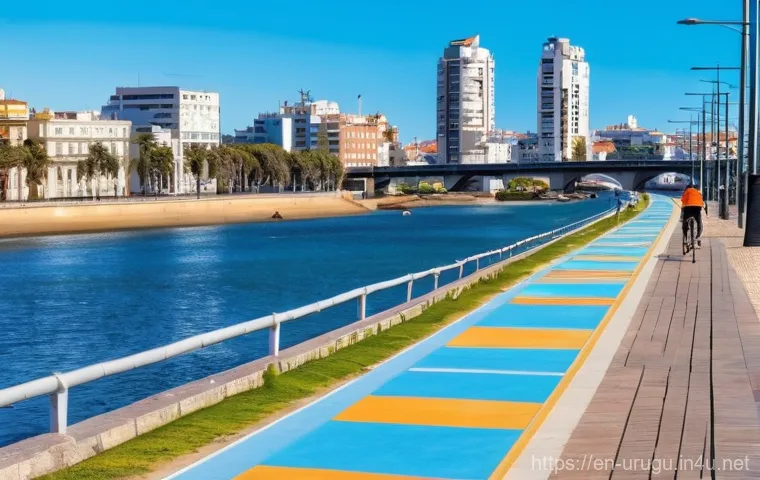
Sometimes, the best way to truly experience Montevideo isn’t by bus or car, but by embracing the city’s natural rhythm and exploring on foot or by bike. Seriously, this city is a walker’s paradise, especially along its magnificent Rambla. I remember spending entire afternoons just strolling along the waterfront, soaking in the views, watching the locals go about their day, and feeling that gentle breeze coming off the Río de la Plata. It’s an experience that no bus or taxi ride can replicate, giving you a chance to truly connect with the city’s soul. For many parts of the city, particularly the historic Ciudad Vieja with its charming narrow streets and plazas, walking is not just an option but the *best* option. You’ll stumble upon hidden gems, quaint cafes, and vibrant street art that you might otherwise miss. And let’s talk about biking! Montevideo is becoming increasingly bike-friendly, and cycling along the Rambla is an absolute must-do. There are several places where you can rent bikes, and it’s an incredibly refreshing way to cover more ground while still feeling the city’s pulse. I’ve personally rented bikes near Pocitos Beach and cycled for miles, enjoying the freedom and the stunning coastal scenery. It’s not just a mode of transport; it’s an activity in itself, and a fantastic way to stay active while traveling. Plus, it’s completely free once you’ve sorted out your bike rental, making it an incredibly budget-friendly way to see the city’s beauty at your own pace. Just remember to be mindful of pedestrians and traffic, as you would in any urban environment.
Beyond Today: The Future of Montevideo’s Mobility
Montevideo isn’t resting on its laurels when it comes to transportation; exciting developments are on the horizon! I’ve been keeping an eye on the news, and there’s been quite a buzz about plans to enhance the city’s public transit, potentially making our journeys even smoother and more efficient in the coming years. While some long-standing discussions around a traditional subway or metro system haven’t really materialized due to factors like population density and cost, the focus seems to be shifting towards more realistic and impactful upgrades. The talk of innovative new tram lines and smart bus stops has me genuinely excited. Imagine being able to see real-time bus arrivals with even greater accuracy, or having dedicated light rail routes connecting key parts of the city. There was a significant proposal for a tram-train project, envisioned to link central Montevideo with El Pinar in the east, running along major avenues like 18 de Julio, Italia, and Giannattasio, with dozens of stops. This kind of project, if it comes to fruition, would be a game-changer for reducing travel times and improving connectivity across the metropolitan area. There’s also been consideration for Bus Rapid Transit (BRT) corridors, which use exclusive lanes to speed up bus services. These kinds of initiatives truly demonstrate Montevideo’s commitment to sustainable urban development and providing its residents and visitors with a top-notch transportation experience. It’s always fascinating to see how a city evolves, and I’m genuinely optimistic about what the future holds for getting around this incredible place!
Envisioning Seamless Journeys: Light Rail and BRT

The vision for Montevideo’s future public transport is looking pretty bright, with discussions around both light rail and Bus Rapid Transit (BRT) solutions gaining traction. From what I’ve gathered, there’s a real desire to move towards more integrated and efficient systems. The proposed light rail, or “tram-train” project, sounds incredibly ambitious and, frankly, amazing. Imagine a 35 km route starting from the historic center, sweeping through major arteries like 18 de Julio and Avenida Italia, and reaching El Pinar. This would transform how people move, offering a fast, comfortable, and environmentally friendly alternative to the current bus-centric model. I’ve always been a fan of modern tram systems – they just make urban exploration so much more enjoyable, don’t they? This project, currently in feasibility study stages, would involve dedicated tracks and modern vehicles, promising significantly reduced travel times. On the other hand, there’s also a compelling argument for expanding BRT corridors, which would leverage the existing bus network but enhance it with exclusive lanes and intelligent management systems. This approach could be a more immediate and cost-effective way to achieve rapid transit benefits without the massive infrastructure investment of a full light rail system. Regardless of which path the city ultimately takes, or perhaps a combination of both, the underlying goal is clear: to reduce congestion, improve air quality, and make getting around Montevideo an even more pleasant and efficient experience for everyone. As someone who loves exploring cities, these developments excite me because they mean even more seamless and enjoyable journeys for future visits!
| Transport Option | Approximate Cost (UYU / USD) | Payment Method | Key Features & Tips |
|---|---|---|---|
| Public Bus (with STM card) | 46 UYU (~$1.20 USD) | STM Card (preloaded) or Cash | Cheapest option, frequent service (5 AM – 11 PM), wave down bus, keep ticket, combination fares available. |
| Public Bus (cash) | 56 UYU (~$1.50 USD) | Cash (small bills recommended) | Higher fare than with STM card, same service, wave down bus, keep ticket. |
| Taxi | Variable (~$1.50 USD/min from airport; ~$6 USD for 10-15 min city trip) | Cash (often preferred), Cabify app for card | Readily available, can be hailed, meter system, usually more expensive than Uber, tipping not expected. |
| Uber / Cabify | Variable (often ~half price of taxi) | App-based (electronic payment) | Convenient, transparent pricing, generally cheaper than taxis, availability can vary. |
| Hop-on-Hop-off Bus | ~$35 USD (24-hour ticket) | Ticket (can be bought online or at stops) | Tourist-focused, covers major attractions, limited operating hours (approx. 10 AM – 5:45 PM weekdays). |
Essential Apps and Local Savvy for Getting Around
In this modern age, a smartphone can be your ultimate travel companion, and Montevideo is no exception! I always make sure to load up on a few essential apps before I even land, and for navigating public transport here, they’ve been incredibly helpful. Google Maps is, of course, a no-brainer for plotting bus routes and estimated travel times. But for a deeper dive into the local bus system, I highly recommend checking out “Cómo Ir” (meaning “How to Go”) – it’s the official app from the Montevideo administration, and it can be a lifesaver for real-time information and schedules. Another fantastic option that many travelers, myself included, swear by is Moovit. It’s super intuitive and available in multiple languages, making it easy to figure out which bus to take, where to transfer, and how long your journey will be. These apps are especially crucial because, unlike in some other cities, you won’t always find detailed timetables or route maps posted at every bus stop. So, having that information right in your pocket is a huge advantage. Beyond the apps, a bit of local savvy goes a long way. Always keep an eye out for approaching buses and give a clear wave to signal you want them to stop. And don’t be afraid to ask for directions, even with limited Spanish – most Uruguayans are incredibly friendly and eager to help a confused traveler. Embracing these tools and a little bit of local custom will make your Montevideo adventures so much smoother and more enjoyable, allowing you to focus on the incredible sights and sounds around you instead of worrying about how to get there.
Embracing the Local Experience and My Final Thoughts
Traveling to Montevideo has truly taught me the joy of immersing myself in a city’s rhythm, and a big part of that is embracing its public transportation. There’s something incredibly freeing about hopping on a local bus, feeling the pulse of the city, and observing daily life unfold around you. I’ve had some of my most memorable travel moments on these rides – from impromptu musical performances to striking up conversations with friendly locals, albeit with a mix of broken Spanish and gestures! It’s these authentic interactions that really make a trip special, far more than just getting from point A to point B. By understanding the bus system, getting an STM card, and having a few key apps on hand, you’re not just saving money; you’re unlocking a more genuine and rich travel experience. Trust me, I’ve seen too many travelers stick to expensive taxis or only walk around a small radius, missing out on the vibrant neighborhoods and local flavors that lie just a short bus ride away. Don’t be shy about flagging down that bus, holding onto your ticket, and being prepared with some small change. It’s all part of the adventure! Montevideo’s public transport might seem a little daunting at first glance, but with these tips and a little bit of confidence, you’ll navigate it like a seasoned pro. So go on, explore, ride the waves of discovery, and let Montevideo surprise you at every turn. It’s an incredible city, and getting around it doesn’t have to be a source of stress, but rather another exciting chapter in your travel story.
My Final Thoughts on Navigating Montevideo
As my journey through Montevideo’s transportation comes to a close, I’m left with such a profound appreciation for this city’s rhythm and how accessible it truly is. It’s more than just getting from one place to another; it’s about the little moments – the street musician on the bus, the friendly wave from a driver, the feeling of the Rambla breeze as you cycle by. These experiences are what truly make a trip memorable, etching Montevideo into your heart in a way no static map or guidebook ever could. I genuinely hope that sharing my adventures and the practical tips I’ve picked up helps you feel more confident and excited to explore every corner of this magnificent city. Don’t be afraid to dive in, get your STM card, and embrace the local way of getting around; you might just discover your own favorite hidden gem or a new story to tell!
Handy Tips for Your Montevideo Journey
1. Grab an STM Card ASAP: Seriously, it’s your best friend for saving money and simplifying your bus rides. You can get one for free at any Abitab with your passport and top it up easily.
2. Embrace the Apps: Google Maps is great for routes, but also download “Cómo Ir” or Moovit for real-time bus tracking and schedules – they’re absolute game-changers for smooth travel.
3. Wave Down Your Bus: Don’t just stand there and expect the bus to stop; a clear wave to the approaching driver ensures they know you want to board, even at designated stops.
4. Carry Small Bills and Coins: While bus drivers usually have change, having smaller Uruguayan pesos (UYU) on hand for fares and small purchases makes your life (and theirs!) much easier.
5. Walk or Bike the Rambla: For an unparalleled experience and to truly soak in the city’s atmosphere, dedicate time to exploring the iconic Rambla on foot or by renting a bike – it’s invigorating and free!
Quick Recap: Essential Montevideo Transport Facts
Montevideo’s public bus system is the most cost-effective way to get around, especially when utilizing an STM card for discounted fares and combination tickets. Buses are frequent, running from early morning until late evening, making them reliable for most daily explorations. For late-night travel or when seeking more comfort, ride-sharing services like Uber and Cabify generally offer more transparent pricing and are often cheaper than traditional taxis, though availability can vary. Taxis are readily available for hailing but tend to be pricier. Don’t overlook walking and biking, particularly along the stunning Rambla and within the charming Ciudad Vieja, for truly immersive and memorable experiences. Looking ahead, the city is actively exploring modern upgrades like tram-trains and Bus Rapid Transit (BRT) to further enhance its urban mobility, promising even more efficient and sustainable ways to navigate this vibrant capital in the future.
Frequently Asked Questions (FAQ) 📖
Q: What’s the best way to pay for public transport in Montevideo, and how can I make sure I’m getting the most bang for my buck while exploring?
A: Ah, the million-dollar question for any traveler hitting a new city! When it comes to getting around Montevideo, the bus system is your reliable workhorse, and trust me, it’s super efficient once you get the hang of it.
You essentially have two main ways to pay, and I’ve tried both: cash or the STM card. First off, yes, you absolutely can pay with cash directly to the bus driver or their assistant when you board.
Just make sure you have Uruguayan Pesos in small denominations – trying to pay with a large bill for a short ride might get you a look, though they usually have change.
I remember fumbling for change on my first ride, a bit flustered, but everyone was very patient. A single cash fare, known as a “común,” currently costs around 56 pesos, which is roughly $1.50 USD.
Keep that paper ticket they hand you; conductors sometimes hop on to check! Now, for the smart traveler looking to save a few pesos and streamline their journeys, the STM card is your best friend.
Seriously, it’s a game-changer! With an STM card, that same “común” fare drops to about 46 pesos (around $1.20 USD). Plus, if you’re planning on transferring between buses within a specific timeframe (usually one or two hours), you can get a “Combinación” ticket which is even more economical, letting you hop on multiple buses for a single, discounted fare.
I can’t tell you how many times this saved me from buying another full ticket when I just needed to connect from one part of the city to another. Getting an STM card is pretty straightforward.
You can pick one up for free at any Abitab store, which you’ll find all over the city. Just remember to bring your passport as a form of ID; it’s a standard requirement.
Once you have it, you can load it up with cash or, thankfully, use your credit or debit card at these same Abitab locations. What’s even cooler is that the city is constantly upgrading, and as of December 2024, they’re expanding the “STM en línea” app so you can recharge your card right from your phone using various bank and credit/debit cards like Prex, Mastercard, Oca, and Visa.
How convenient is that? It really takes the hassle out of carrying a lot of cash, and personally, I love anything that makes my travel day a little smoother.
Q: I’m a first-timer in Montevideo, and the idea of navigating a new bus system feels a bit daunting. What are some crucial tips to make my bus rides smooth and stress-free?
A: Oh, I totally get that feeling! Stepping onto a bus in a new city can feel like you’re trying to solve a puzzle in a foreign language. But don’t you worry, because I’ve been there, and I’ve got some tried-and-true tips that will make you feel like a local in no time.
First and foremost, this is a big one: always flag down the bus! Unlike some places where buses automatically stop at designated stops, in Montevideo, if you don’t wave your hand, that bus will just cruise right by, even if you’re standing right at the stop.
I learned this the hard way once, watching my bus disappear into the distance while I stood there looking bewildered! Next, planning is your secret weapon.
Bus stops often don’t have detailed route maps or timetables posted, so before you head out, download a good transport app. My go-to is Moovit, but the local “Como Ir” app is fantastic too.
These apps are invaluable for figuring out which bus to take, where to get off, and even real-time updates. It really helps calm those “am I on the right bus?” jitters.
When you get on, pay your fare (cash or STM card), and remember to hold onto that paper ticket you receive. Conductors do sometimes board mid-route to check, and you’ll want to have your proof of payment handy.
Now, for a bit of local flavor: you might encounter musicians or performers on the bus. It’s customary to clap after their performance, and if you enjoyed it, a small tip is always appreciated.
It’s part of the authentic Montevideo experience! Finally, a couple of practical notes: buses run from about 5 AM to 11 PM, so plan accordingly for late-night adventures – taxis or ride-sharing apps like Uber are your friends then.
Also, be mindful of rush hours (generally 7-9 AM and 5-7:30 PM); buses can get pretty packed. And when your stop is approaching, you’ll usually find the “stop” button above the doors.
Give it a push, and you’re good to go! With these tips, you’ll be zipping around Montevideo like a pro.
Q: Beyond the current bus system, are there any upcoming transportation changes or exciting developments in Montevideo that I should keep an eye out for?
A: Absolutely! It’s always exciting to see how cities evolve, and Montevideo is definitely looking towards the future when it comes to urban mobility. While buses are currently the undisputed champions of public transport here, there’s been some serious buzz and concrete planning around new developments that could transform how we get around in the years to come.
The biggest news on the horizon is the ongoing discussion and feasibility studies for a brand-new tram or light rail line. Imagine that! The idea is to connect central Montevideo, perhaps starting from the historic Independence Square and running along significant avenues like 18 de Julio, all the way out to Ciudad de la Costa.
This ambitious project, estimated to be around 35 kilometers long, aims to reduce congestion, cut down on emissions, and simply make journeys faster and more enjoyable.
From what I’ve heard, authorities are looking to finalize bidding documents by the end of 2025, with a tender potentially launching in early 2026. This isn’t a small undertaking, with a projected investment of around US$500 million, often discussed as a public-private partnership.
I’m personally super excited about the prospect of a modern tram system. It would offer a different way to experience the city, perhaps with more scenic views and a smoother ride compared to the bustle of a bus.
While it’s not something you’ll be riding on your next trip this year, it’s a clear sign of Montevideo’s commitment to improving its transport infrastructure and thinking green.
These kinds of developments also often lead to smart bus stops with real-time information and better integration of services, which would only enhance the overall travel experience.
So, while you’re enjoying the current bus system, know that Montevideo is actively paving the way for an even more connected and efficient future!