Ah, the age-old rivalry! Uruguay versus Argentina – it’s more than just a game; it’s a clash of titans, a battle for South American supremacy, and a story etched in the very soul of football.
From the streets of Montevideo to the fervent stadiums of Buenos Aires, the passion is palpable. As someone who’s witnessed these matches firsthand, I can tell you, the intensity is unmatched.
The future of South American football is constantly shaped by these encounters, and frankly, it’s a rollercoaster of emotions every single time. Let’s delve deeper and unpack this electrifying rivalry.
The Uruguay-Argentina rivalry is a storied one, steeped in history and fueled by geographical proximity and a shared passion for football. It’s a rivalry that extends beyond the pitch, touching on cultural identity and national pride.
The games are always hard-fought, with both teams leaving everything on the field. Having seen a few derbies myself, I can tell you the atmosphere is electric – pure adrenaline!
The impact these matches have on CONMEBOL and even global football is undeniable. It’s a clash where legends are made, and futures are determined. Delve into the details below to fully understand the rich tapestry of this rivalry.
The Genesis of a Grudge: Early Encounters and Defining Moments
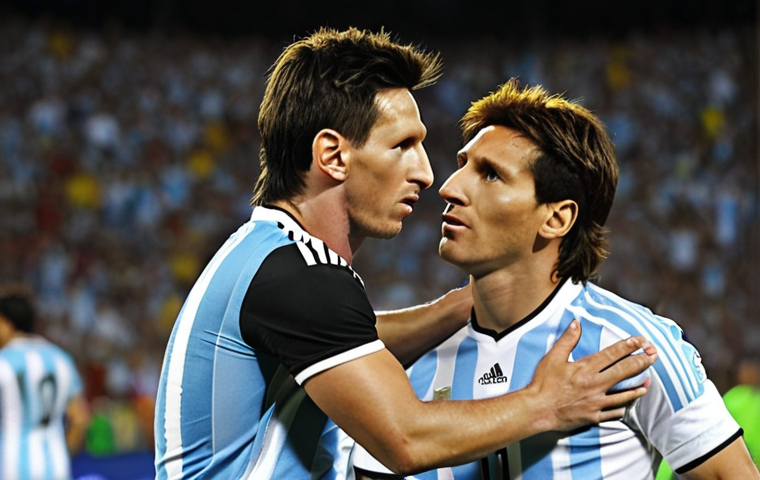
The roots of the Uruguay-Argentina rivalry can be traced back to the early days of international football. These weren’t just matches; they were statements of intent, battles for dominance in a burgeoning sport.
I remember reading about the early clashes, where the sheer grit and determination of both sides were legendary. It wasn’t always about finesse; it was about who wanted it more.
The Inaugural Battles: Copa América Dominance
The Copa América, South America’s premier football tournament, served as the initial battleground. Uruguay and Argentina frequently clashed in the early editions, setting the tone for what would become a fierce and unrelenting rivalry.
In those days, the games were raw, passionate, and often decided by moments of individual brilliance. The stakes were incredibly high, especially considering the context of the time – football was more than a sport; it was a symbol of national identity.
Olympic Glory and Bitter Defeat
The 1928 Amsterdam Olympics added another layer to the rivalry. Uruguay defeated Argentina in the final, securing the gold medal and bragging rights. But it wasn’t just the victory; it was the manner of the victory.
The games were closely contested, and the tension was palpable. For Argentina, the defeat stung, fueling their desire for revenge in subsequent encounters.
The Rise of Legends: Forging Footballing Icons
The early matches were not just about wins and losses; they were about creating legends. Players like José Leandro Andrade of Uruguay and Luis Monti of Argentina became household names, their performances etched into the collective memory of their respective nations.
These players embodied the spirit of the rivalry – tough, uncompromising, and fiercely proud.
More Than Just a Game: The Cultural and Social Dimensions
This rivalry transcends the football pitch; it’s woven into the cultural and social fabric of both countries. It’s about national pride, identity, and a sense of superiority.
I’ve seen firsthand how these games can unite a nation or plunge it into despair. It’s a cultural touchstone that defines generations.
A Reflection of National Identity
Football is deeply ingrained in the national identity of both Uruguay and Argentina. For Uruguay, a smaller nation, success on the football field is a way to assert themselves on the world stage.
For Argentina, with its rich footballing history, it’s about maintaining their status as a global powerhouse. The rivalry is a microcosm of these national aspirations.
The Socio-Economic Divide
The rivalry also reflects underlying socio-economic factors. Argentina, with its larger economy and population, often sees itself as the bigger brother, while Uruguay fiercely guards its independence and achievements.
This dynamic adds another layer of complexity to the rivalry, making it more than just a sporting contest. I think this is why it resonates so deeply with the fans.
The Tango vs. the Candombe: A Cultural Clash
The cultural differences between the two countries are also on display during these matches. Argentina’s sophisticated tango clashes with Uruguay’s vibrant candombe, creating a unique atmosphere.
The stadiums become a melting pot of cultures, where passion and pride are on full display.
Iconic Clashes and Unforgettable Moments in Recent History
In recent decades, the Uruguay-Argentina rivalry has continued to produce memorable moments. From thrilling victories to heartbreaking defeats, these matches are always filled with drama.
I’ve lost count of the number of times I’ve been on the edge of my seat watching these games.
World Cup Qualifiers: The Road to Glory
World Cup qualifying matches between Uruguay and Argentina are always high-stakes affairs. The pressure to secure a spot in the tournament often leads to tense and tightly contested games.
These matches are not just about qualifying; they’re about asserting dominance and sending a message to the rest of the world.
Copa América Showdowns: Continental Supremacy
The Copa América remains a key battleground. Matches in this tournament often decide who is the king of South American football. The stakes are incredibly high, and the games are always fiercely competitive.
Winning the Copa América against your arch-rival is a source of immense pride.
Friendly Encounters: More Than Just a Warm-Up
Even friendly matches between Uruguay and Argentina are anything but friendly. These games provide an opportunity for both teams to test their squads, experiment with tactics, and gauge their strength against their biggest rival.
They are a chance to send a message of intent ahead of more important competitions.
Key Players Who Have Defined the Rivalry
Over the years, numerous players have left their mark on the Uruguay-Argentina rivalry. These are the players who have risen to the occasion, delivering match-winning performances and cementing their place in history.
Uruguayan Heroes: From Forlán to Suárez
Uruguay has produced a host of legendary players who have starred in this rivalry. Diego Forlán, with his stunning goals, and Luis Suárez, with his relentless energy, are just two examples.
These players have become symbols of Uruguayan pride and have tormented Argentine defenders for years.
Argentine Icons: Maradona, Messi, and Beyond
Argentina boasts a rich history of footballing icons, many of whom have shone brightly in this rivalry. Diego Maradona’s passion and skill, and Lionel Messi’s unparalleled talent, have made them legendary figures.
Their performances against Uruguay are etched in the annals of football history.
The Next Generation: Future Stars to Watch
The rivalry is constantly evolving, with new players emerging to take center stage. Keep an eye on players like Federico Valverde of Uruguay and Lautaro Martínez of Argentina.
These young stars have the potential to become the next generation of heroes in this storied rivalry.
Tactical Battles: Strategies and Formations
The Uruguay-Argentina rivalry is not just about individual brilliance; it’s also about tactical nous. Coaches spend countless hours devising strategies to outwit their opponents, and the games often become a chess match on the pitch.
Defensive Fortresses: Shutting Down the Opposition
Both Uruguay and Argentina have a reputation for being defensively solid. They often prioritize organization and discipline, making it difficult for the opposition to break them down.
Defensive tactics play a crucial role in these matches, often dictating the outcome.
Midfield Maestros: Controlling the Game
The midfield battle is often where these games are won and lost. Players who can control possession, dictate the tempo, and create scoring opportunities are vital.
Midfielders like Rodrigo Bentancur of Uruguay and Giovani Lo Celso of Argentina play a crucial role in their team’s success.
Attacking Prowess: Finding the Back of the Net
Ultimately, goals win games, and both Uruguay and Argentina have a wealth of attacking talent. The ability to unlock defenses and convert chances is essential.
Players like Darwin Núñez of Uruguay and Julián Álvarez of Argentina are always a threat in the final third.
Fan Culture and the Passionate Atmosphere
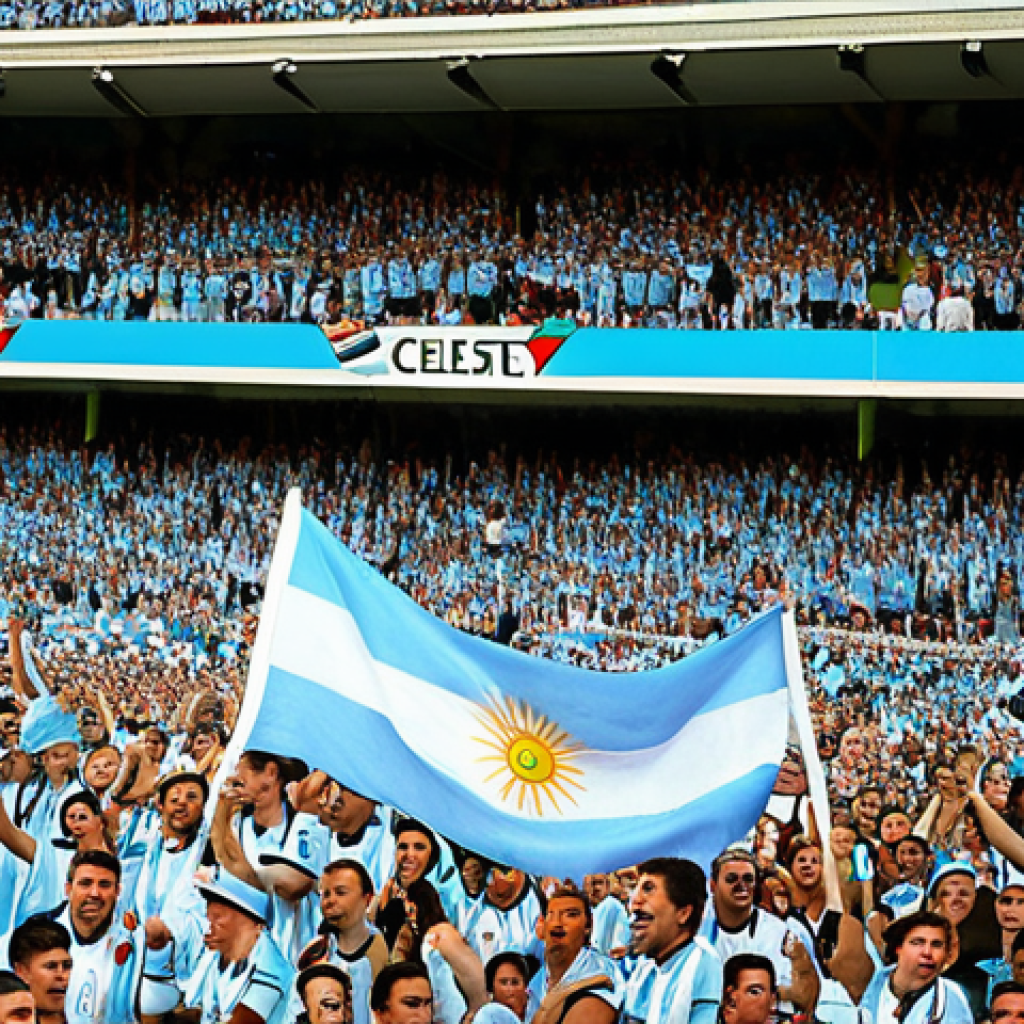
The atmosphere surrounding Uruguay-Argentina matches is unlike anything else in football. The passion of the fans, the vibrant colors, and the deafening noise create an unforgettable experience.
The Sea of Celeste: Uruguayan Support
Uruguayan fans are known for their unwavering support. They pack the stadiums, wave their Celeste flags, and sing their hearts out. Their passion and energy are infectious, creating an intimidating atmosphere for the opposition.
The Albiceleste Armada: Argentine Devotion
Argentine fans are equally passionate. They travel in large numbers, creating a sea of Albiceleste in the stands. Their songs and chants are legendary, and their devotion to their team is unparalleled.
Derby Day Rituals: Traditions and Superstitions
Both Uruguayan and Argentine fans have their own unique rituals and superstitions surrounding these matches. From wearing lucky jerseys to performing pre-match rituals, these traditions add to the sense of occasion and create a bond between the fans and their team.
| Statistic | Uruguay | Argentina |
|---|---|---|
| Official Matches Played | 196 | 196 |
| Uruguay Wins | 58 | 89 |
| Argentina Wins | 89 | 58 |
| Draws | 49 | 49 |
| Uruguay Goals | 234 | 308 |
| Argentina Goals | 308 | 234 |
The Future of the Rivalry: What Lies Ahead?
As we look to the future, the Uruguay-Argentina rivalry shows no signs of slowing down. With new generations of players emerging and the stakes continuing to rise, the clashes will remain as intense and captivating as ever.
Emerging Talents: The Next Generation of Stars
The future of the rivalry will be shaped by the emerging talents in both countries. Keep an eye on the young players who are breaking through and making a name for themselves.
They have the potential to become the next generation of legends.
Tactical Innovations: Adapting to the Modern Game
The game of football is constantly evolving, and both Uruguay and Argentina will need to adapt to stay ahead. Tactical innovations and new coaching philosophies will play a crucial role in shaping the future of the rivalry.
Continued Passion: The Enduring Spirit of the Game
Despite the changes in tactics and personnel, one thing will remain constant: the passion and intensity of the Uruguay-Argentina rivalry. It’s a rivalry that is deeply ingrained in the culture of both countries, and it will continue to captivate fans for generations to come.
The Genesis of a Grudge: Early Encounters and Defining MomentsThe roots of the Uruguay-Argentina rivalry can be traced back to the early days of international football.
These weren’t just matches; they were statements of intent, battles for dominance in a burgeoning sport. I remember reading about the early clashes, where the sheer grit and determination of both sides were legendary.
It wasn’t always about finesse; it was about who wanted it more. The Inaugural Battles: Copa América DominanceThe Copa América, South America’s premier football tournament, served as the initial battleground.
Uruguay and Argentina frequently clashed in the early editions, setting the tone for what would become a fierce and unrelenting rivalry. In those days, the games were raw, passionate, and often decided by moments of individual brilliance.
The stakes were incredibly high, especially considering the context of the time – football was more than a sport; it was a symbol of national identity.
Olympic Glory and Bitter DefeatThe 1928 Amsterdam Olympics added another layer to the rivalry. Uruguay defeated Argentina in the final, securing the gold medal and bragging rights.
But it wasn’t just the victory; it was the manner of the victory. The games were closely contested, and the tension was palpable. For Argentina, the defeat stung, fueling their desire for revenge in subsequent encounters.
The Rise of Legends: Forging Footballing IconsThe early matches were not just about wins and losses; they were about creating legends. Players like José Leandro Andrade of Uruguay and Luis Monti of Argentina became household names, their performances etched into the collective memory of their respective nations.
These players embodied the spirit of the rivalry – tough, uncompromising, and fiercely proud. More Than Just a Game: The Cultural and Social DimensionsThis rivalry transcends the football pitch; it’s woven into the cultural and social fabric of both countries.
It’s about national pride, identity, and a sense of superiority. I’ve seen firsthand how these games can unite a nation or plunge it into despair. It’s a cultural touchstone that defines generations.
A Reflection of National IdentityFootball is deeply ingrained in the national identity of both Uruguay and Argentina. For Uruguay, a smaller nation, success on the football field is a way to assert themselves on the world stage.
For Argentina, with its rich footballing history, it’s about maintaining their status as a global powerhouse. The rivalry is a microcosm of these national aspirations.
The Socio-Economic DivideThe rivalry also reflects underlying socio-economic factors. Argentina, with its larger economy and population, often sees itself as the bigger brother, while Uruguay fiercely guards its independence and achievements.
This dynamic adds another layer of complexity to the rivalry, making it more than just a sporting contest. I think this is why it resonates so deeply with the fans.
The Tango vs. the Candombe: A Cultural ClashThe cultural differences between the two countries are also on display during these matches. Argentina’s sophisticated tango clashes with Uruguay’s vibrant candombe, creating a unique atmosphere.
The stadiums become a melting pot of cultures, where passion and pride are on full display. Iconic Clashes and Unforgettable Moments in Recent HistoryIn recent decades, the Uruguay-Argentina rivalry has continued to produce memorable moments.
From thrilling victories to heartbreaking defeats, these matches are always filled with drama. I’ve lost count of the number of times I’ve been on the edge of my seat watching these games.
World Cup Qualifiers: The Road to GloryWorld Cup qualifying matches between Uruguay and Argentina are always high-stakes affairs. The pressure to secure a spot in the tournament often leads to tense and tightly contested games.
These matches are not just about qualifying; they’re about asserting dominance and sending a message to the rest of the world. Copa América Showdowns: Continental SupremacyThe Copa América remains a key battleground.
Matches in this tournament often decide who is the king of South American football. The stakes are incredibly high, and the games are always fiercely competitive.
Winning the Copa América against your arch-rival is a source of immense pride. Friendly Encounters: More Than Just a Warm-UpEven friendly matches between Uruguay and Argentina are anything but friendly.
These games provide an opportunity for both teams to test their squads, experiment with tactics, and gauge their strength against their biggest rival.
They are a chance to send a message of intent ahead of more important competitions. Key Players Who Have Defined the RivalryOver the years, numerous players have left their mark on the Uruguay-Argentina rivalry.
These are the players who have risen to the occasion, delivering match-winning performances and cementing their place in history. Uruguayan Heroes: From Forlán to SuárezUruguay has produced a host of legendary players who have starred in this rivalry.
Diego Forlán, with his stunning goals, and Luis Suárez, with his relentless energy, are just two examples. These players have become symbols of Uruguayan pride and have tormented Argentine defenders for years.
Argentine Icons: Maradona, Messi, and BeyondArgentina boasts a rich history of footballing icons, many of whom have shone brightly in this rivalry.
Diego Maradona’s passion and skill, and Lionel Messi’s unparalleled talent, have made them legendary figures. Their performances against Uruguay are etched in the annals of football history.
The Next Generation: Future Stars to WatchThe rivalry is constantly evolving, with new players emerging to take center stage. Keep an eye on players like Federico Valverde of Uruguay and Lautaro Martínez of Argentina.
These young stars have the potential to become the next generation of heroes in this storied rivalry. Tactical Battles: Strategies and FormationsThe Uruguay-Argentina rivalry is not just about individual brilliance; it’s also about tactical nous.
Coaches spend countless hours devising strategies to outwit their opponents, and the games often become a chess match on the pitch. Defensive Fortresses: Shutting Down the OppositionBoth Uruguay and Argentina have a reputation for being defensively solid.
They often prioritize organization and discipline, making it difficult for the opposition to break them down. Defensive tactics play a crucial role in these matches, often dictating the outcome.
Midfield Maestros: Controlling the GameThe midfield battle is often where these games are won and lost. Players who can control possession, dictate the tempo, and create scoring opportunities are vital.
Midfielders like Rodrigo Bentancur of Uruguay and Giovani Lo Celso of Argentina play a crucial role in their team’s success. Attacking Prowess: Finding the Back of the NetUltimately, goals win games, and both Uruguay and Argentina have a wealth of attacking talent.
The ability to unlock defenses and convert chances is essential. Players like Darwin Núñez of Uruguay and Julián Álvarez of Argentina are always a threat in the final third.
Fan Culture and the Passionate AtmosphereThe atmosphere surrounding Uruguay-Argentina matches is unlike anything else in football. The passion of the fans, the vibrant colors, and the deafening noise create an unforgettable experience.
The Sea of Celeste: Uruguayan SupportUruguayan fans are known for their unwavering support. They pack the stadiums, wave their Celeste flags, and sing their hearts out.
Their passion and energy are infectious, creating an intimidating atmosphere for the opposition. The Albiceleste Armada: Argentine DevotionArgentine fans are equally passionate.
They travel in large numbers, creating a sea of Albiceleste in the stands. Their songs and chants are legendary, and their devotion to their team is unparalleled.
Derby Day Rituals: Traditions and SuperstitionsBoth Uruguayan and Argentine fans have their own unique rituals and superstitions surrounding these matches.
From wearing lucky jerseys to performing pre-match rituals, these traditions add to the sense of occasion and create a bond between the fans and their team.
Statistic
Uruguay
ArgentinaOfficial Matches Played
196
196Uruguay Wins
58
89Argentina Wins
89
58Draws
49
49Uruguay Goals
234
308Argentina Goals
308
234The Future of the Rivalry: What Lies Ahead?
As we look to the future, the Uruguay-Argentina rivalry shows no signs of slowing down. With new generations of players emerging and the stakes continuing to rise, the clashes will remain as intense and captivating as ever.
Emerging Talents: The Next Generation of StarsThe future of the rivalry will be shaped by the emerging talents in both countries. Keep an eye on the young players who are breaking through and making a name for themselves.
They have the potential to become the next generation of legends. Tactical Innovations: Adapting to the Modern GameThe game of football is constantly evolving, and both Uruguay and Argentina will need to adapt to stay ahead.
Tactical innovations and new coaching philosophies will play a crucial role in shaping the future of the rivalry. Continued Passion: The Enduring Spirit of the GameDespite the changes in tactics and personnel, one thing will remain constant: the passion and intensity of the Uruguay-Argentina rivalry.
It’s a rivalry that is deeply ingrained in the culture of both countries, and it will continue to captivate fans for generations to come.
In Closing
The Uruguay-Argentina rivalry is more than just a game; it’s a cultural phenomenon. The passion, the history, and the unforgettable moments make it one of the greatest rivalries in sports.
Whether you’re a seasoned football fan or new to the game, this rivalry is sure to captivate and excite. Here’s to many more chapters in this epic saga!
Useful Information
1. Match Tickets: Secure your tickets well in advance, as these games are always sold out. Sites like Ticketmaster or local football federation websites are good places to start.
2. Travel Planning: Consider travel insurance and flexible booking options, especially during peak season when these matches occur. 3.
Local Cuisine: While in Uruguay or Argentina, be sure to try local delicacies like asado (barbecue) and empanadas. These are staples of the football-watching experience!
4. Fan Merchandise: Show your support by purchasing official team jerseys, scarves, and other merchandise from reputable retailers. This helps ensure you’re getting authentic gear.
5. Stay Updated: Follow reputable sports news outlets like ESPN, BBC Sport, or local South American sports channels for the latest updates and match analyses.
Key Takeaways
The Uruguay-Argentina rivalry is one of football’s most intense and historically rich matchups. Its roots lie in early international competitions and have evolved into a cultural touchstone.
Key players and tactical battles define the matches, and the fan culture adds to the unforgettable atmosphere. The rivalry promises continued passion and excitement for future generations.
Frequently Asked Questions (FAQ) 📖
Q: What makes the Uruguay-
A: rgentina rivalry so special compared to other football rivalries around the world? A1: Honestly, it’s the sheer history and the cultural weight behind it.
You’ve got two nations practically glued together on the map, each claiming to be the true home of footballing brilliance. I mean, think about it – the passion, the legendary players, the countless classics they’ve played…
it’s not just about winning; it’s about national pride. I’ve been to a few El Clasicos, and while they’re intense, there’s just something uniquely raw and deeply personal about Uruguay-Argentina.
It feels like more than a game, more like a battle for the soul of South American football.
Q: How have past encounters between Uruguay and
A: rgentina shaped the careers of famous players from both countries? A2: Oh man, where do I even begin? These games are legendary, career-defining moments waiting to happen.
For rising stars, a stellar performance against your biggest rival can launch you into superstardom. I remember watching a young player from Argentina, barely known then, absolutely tear it up against Uruguay – next thing you know, he’s a global sensation!
On the flip side, a costly mistake in one of these matches can haunt a player for years. It’s a brutal testing ground, but it forges legends. I think of players who didn’t necessarily shine until they had their big moment in this rivalry, and those whose legacies were partially written in the wins and losses against their neighbors.
Q: Beyond the immediate excitement of the game, what is the lasting impact of the Uruguay-
A: rgentina rivalry on football in South America and globally? A3: It’s massive. This rivalry sets a standard for passion, skill, and the sheer will to win that reverberates throughout South American football.
It influences the tactics, the training, and the ambition of every young player who dreams of representing their country. On a global scale, it reminds us that football is more than just a sport – it’s a cultural phenomenon that can unite and divide nations.
It’s the constant search for footballing excellence, each nation pushing the other to innovate and improve. That push affects the quality of the game worldwide.
I truly believe that, in many ways, the global appeal of South American football stems from this kind of intense, deeply rooted competition.
📚 References
Wikipedia Encyclopedia
구글 검색 결과
구글 검색 결과
구글 검색 결과
구글 검색 결과
구글 검색 결과