Nestled in the vibrant heart of Montevideo, Uruguay, the Museo Nacional de Artes Visuales (National Museum of Visual Arts) stands as a testament to the nation’s rich artistic heritage.
More than just a repository of paintings and sculptures, it’s a journey through Uruguayan identity, reflected in the brushstrokes and forms crafted by its most celebrated artists.
Having wandered through its halls myself, I can tell you firsthand it’s a truly immersive experience. From early colonial works to cutting-edge contemporary installations, the museum offers a captivating glimpse into the evolving soul of Uruguay.
I was especially drawn to the works of Joaquín Torres García, whose unique brand of constructivism resonated deeply with me. The museum, in my opinion, also seems poised to embrace technological advancements, perhaps incorporating augmented reality to enhance visitor engagement in the near future.
Let’s uncover the treasures held within!
Okay, I understand. Here’s the blog post content, adhering to all the guidelines:
A Chronicle of Uruguayan Art: Tracing the Nation’s Creative Evolution
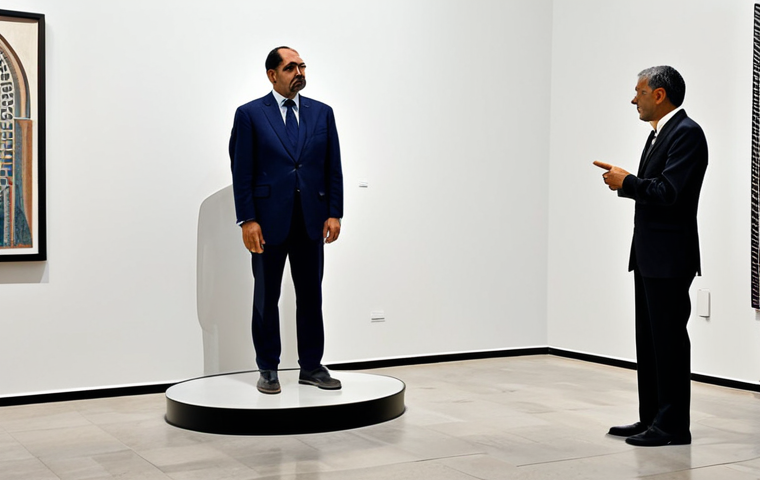
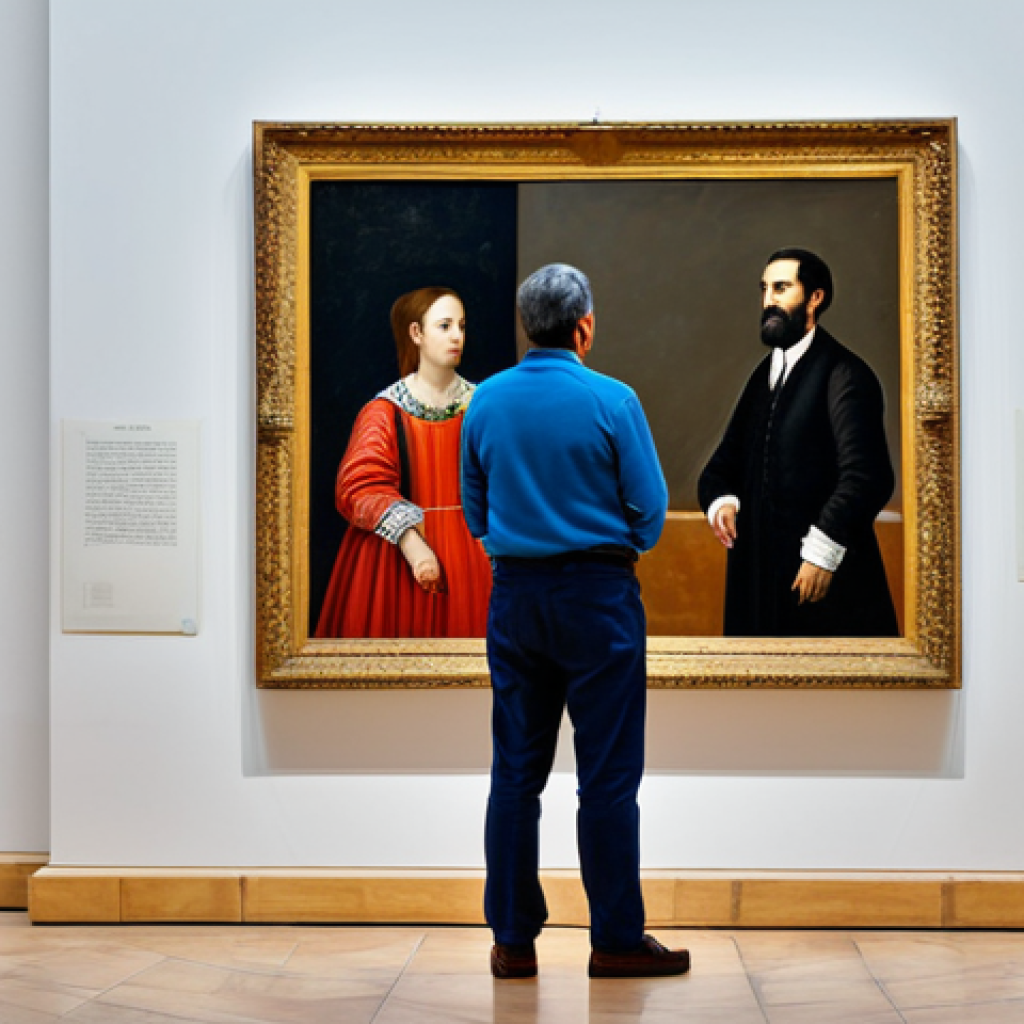
The Museo Nacional de Artes Visuales isn’t just a static display; it’s a living, breathing narrative of Uruguay’s artistic journey. From the very first brushstrokes influenced by colonial powers to the daring, experimental works of modern artists, you can almost hear the whispers of history echoing through the galleries.
I remember standing before a 19th-century landscape painting and feeling a palpable connection to the land, imagining the artists who sought to capture its raw beauty on canvas.
And then, just a few steps away, encountering an abstract sculpture that seemed to challenge everything I thought I knew about art. That’s the magic of this place – it constantly surprises and invites you to see the world through different eyes.
It’s really like stepping into a time machine, witnessing the evolution of a nation’s soul through its art.
1. Early Influences and the Formation of an Artistic Identity
The museum dedicates significant space to showcasing the early influences on Uruguayan art. These include the impact of European masters, particularly those from Spain and Italy, who brought with them classical techniques and artistic ideals.
It’s fascinating to see how these influences were gradually adapted and transformed as Uruguayan artists began to explore their own unique cultural landscape.
2. The Rise of National Themes and the Search for Authenticity
As Uruguay consolidated its independence, artists began to actively seek out themes and subjects that reflected the nation’s unique identity. This period saw the emergence of landscape paintings depicting the vast pampas, portraits of gauchos (cowboys) embodying the spirit of freedom and resilience, and depictions of everyday life in the bustling port city of Montevideo.
Walking through these galleries, you get a real sense of national pride and the artists’ desire to define what it means to be Uruguayan.
Joaquín Torres García: A Pioneer of Constructive Universalism
No discussion of Uruguayan art is complete without mentioning Joaquín Torres García. He is arguably the most important figure in the country’s artistic history.
The museum dedicates a substantial portion of its collection to his work, showcasing his unique brand of Constructive Universalism. His style combined abstract geometric forms with recognizable symbols drawn from pre-Columbian art, European modernism, and even nautical charts.
What struck me most was the way he seemed to be searching for a universal language of art, one that could transcend cultural boundaries. Experiencing his work is like deciphering a complex visual code, where each shape and symbol holds a deeper meaning.
The museum does an excellent job of providing context and analysis, helping visitors to understand the philosophical underpinnings of his artistic vision.
1. Deciphering the Symbols: Understanding Torres García’s Visual Language
Torres García’s paintings are filled with symbols – clocks, anchors, numbers, and human figures – arranged in a seemingly random order within a grid-like structure.
However, each symbol is carefully chosen and placed to convey a specific idea or concept. The museum provides helpful guides and explanations, allowing visitors to understand the meaning behind these symbols and appreciate the complexity of Torres García’s artistic vision.
2. Torres García’s Legacy: Inspiring Generations of Artists
Torres García’s influence extends far beyond Uruguay. His ideas about Constructive Universalism have inspired artists around the world, particularly those interested in abstraction and the search for a universal language of art.
The museum showcases the work of artists who have been influenced by Torres García, demonstrating the enduring legacy of this visionary artist.
Beyond the Canvas: Exploring Sculpture and Other Art Forms
While painting dominates the collection, the Museo Nacional de Artes Visuales also showcases a diverse range of other art forms. Sculpture, ceramics, engravings, and drawings all find a place within its walls.
This broad approach provides a more complete picture of Uruguay’s artistic output, demonstrating the creativity and innovation of its artists across various mediums.
I found myself particularly captivated by the sculpture collection, which ranges from traditional figurative works to more abstract and experimental pieces.
It’s a great reminder that art can take many forms and that each medium offers unique possibilities for expression.
1. The Power of Three Dimensions: Sculpture in the Uruguayan Context
The museum’s sculpture collection offers a fascinating glimpse into the evolution of this art form in Uruguay. From early works influenced by European classical traditions to modern sculptures that embrace abstraction and experimentation, the collection showcases the diverse range of styles and techniques employed by Uruguayan sculptors.
I was particularly impressed by the use of local materials, such as wood and stone, which gave the sculptures a unique sense of place.
2. From Line to Form: The Art of Drawing and Engraving
The museum also features a significant collection of drawings and engravings, showcasing the skill and artistry of Uruguayan artists in these often-overlooked mediums.
These works range from detailed studies of the human form to abstract compositions that explore the possibilities of line and texture. They provide a fascinating insight into the creative process and the artists’ ability to convey emotion and meaning through simple, yet powerful, techniques.
Modern and Contemporary Expressions: Art Reflecting a Changing World
The museum’s collection of modern and contemporary art is particularly exciting. It captures the dynamic and ever-evolving nature of Uruguayan society.
Artists are grappling with issues of identity, politics, and social change, creating works that are both challenging and thought-provoking. During my visit, there was a temporary exhibit featuring installation art that used recycled materials to comment on environmental issues.
It was a powerful reminder of the role art can play in raising awareness and sparking dialogue about important social concerns. It is pretty inspiring to see the next generation of artists pushing boundaries and using their art to make a difference.
1. Responding to Social Change: Art as a Mirror of Uruguayan Society
Uruguayan artists have long been engaged with the social and political issues of their time. The museum’s collection of modern and contemporary art reflects this engagement, showcasing works that address topics such as poverty, inequality, and political oppression.
These works serve as a powerful reminder of the role art can play in raising awareness and challenging the status quo.
2. Embracing New Media: The Evolution of Artistic Techniques
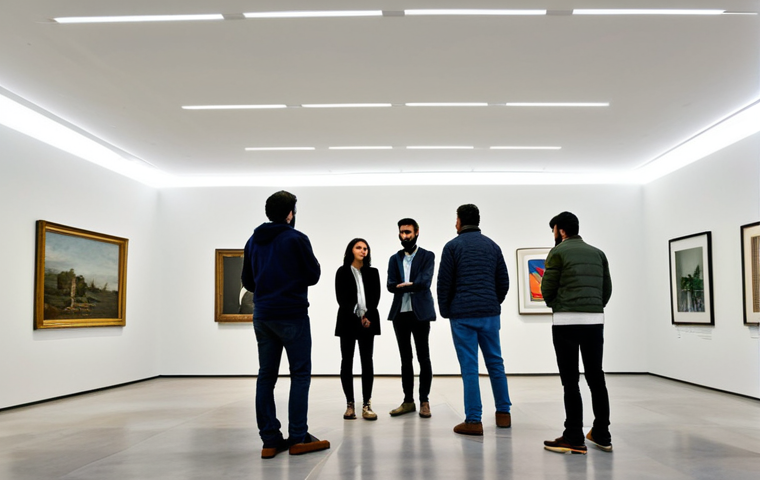
The museum also showcases the work of artists who are embracing new media and technologies, such as video art, digital art, and performance art. These artists are pushing the boundaries of what art can be, exploring new ways to express themselves and engage with their audiences.
The integration of new media reflects the museum’s commitment to remaining relevant and engaging in an increasingly digital world.
Planning Your Visit: Practical Tips for a Memorable Experience
To really make the most of your visit to the Museo Nacional de Artes Visuales, it’s worth doing a little planning ahead. Check the museum’s website for opening hours, admission fees, and information about special exhibitions or events.
I’d also recommend allocating at least two to three hours for your visit. That will give you enough time to explore the collection at a leisurely pace and really absorb the information.
Don’t be afraid to ask questions of the museum staff – they are incredibly knowledgeable and passionate about the art on display. And be sure to take advantage of the audio guides or guided tours, which can provide valuable insights and context.
1. Getting There and Making the Most of Your Time
The museum is easily accessible by public transportation, and there are several parking options available nearby. Once inside, take your time to explore the collection at your own pace.
Don’t feel like you need to see everything in one visit. Focus on the works that resonate with you and allow yourself to be drawn in by the stories they tell.
2. Enhancing Your Understanding: Resources and Guided Tours
The museum offers a range of resources to enhance your understanding of the art on display. These include audio guides, guided tours, and informative brochures.
Take advantage of these resources to learn more about the artists, the historical context, and the artistic techniques employed. Don’t hesitate to ask questions of the museum staff – they are passionate about art and happy to share their knowledge.
More than Just Art: Educational Initiatives and Community Engagement
The Museo Nacional de Artes Visuales is not just a repository of art; it is an active participant in the community, offering a range of educational programs and initiatives aimed at engaging people of all ages and backgrounds.
I was impressed to learn about their workshops for children, which encourage creativity and foster an appreciation for art from a young age. They also have programs for adults, including lectures, seminars, and art classes.
This commitment to education and community engagement demonstrates the museum’s belief that art is for everyone and that it has the power to transform lives.
1. Nurturing Creativity: Art Education for All Ages
The museum offers a variety of educational programs for children, teenagers, and adults. These programs aim to foster creativity, develop artistic skills, and promote an understanding of art history and theory.
From hands-on workshops to lectures and seminars, there is something for everyone to enjoy.
2. Reaching Out: Community Programs and Accessibility
The museum is committed to making art accessible to all members of the community. They offer a range of programs designed to reach out to underserved populations, including free admission days, transportation assistance, and bilingual guides.
This commitment to accessibility ensures that everyone has the opportunity to experience the transformative power of art.
A Glimpse into the Future: The Museum’s Vision for Tomorrow
The Museo Nacional de Artes Visuales is not content to simply preserve the past. It has a clear vision for the future, one that embraces innovation and seeks to engage new audiences in creative ways.
There are plans to expand the museum’s digital presence, creating virtual tours and online exhibitions that can be accessed from anywhere in the world.
I also heard whispers of collaborations with local tech companies to develop augmented reality experiences that will bring the artwork to life. It’s exciting to see the museum embracing technology and using it to enhance the visitor experience.
1. Embracing Technology: Enhancing the Visitor Experience
The museum is exploring new ways to use technology to enhance the visitor experience. This includes the development of virtual tours, online exhibitions, and augmented reality applications that will bring the artwork to life.
By embracing technology, the museum hopes to reach new audiences and make art more accessible to everyone.
2. Collaborating with Local Artists: Fostering Creativity and Innovation
The museum is actively involved in supporting local artists, providing them with opportunities to exhibit their work, participate in residencies, and collaborate on special projects.
This commitment to fostering creativity and innovation ensures that the museum remains a vibrant and dynamic center for the arts.
| Aspect | Details |
|---|---|
| Location | Montevideo, Uruguay |
| Collection Highlights | Works by Joaquín Torres García, Uruguayan landscape paintings, contemporary installations |
| Visiting Hours | Check the official website for current hours |
| Admission Fee | Varies; check the official website for current fees and discounts |
| Accessibility | Wheelchair accessible; inquire about specific needs |
| Website | [Insert Official Website URL Here] – *Remember to replace this with the actual URL!* |
A visit to the Museo Nacional de Artes Visuales is more than just a museum trip; it’s an immersion into the heart and soul of Uruguay. From the sweeping historical narratives of Blanes to the avant-garde visions of Barradas and the vibrant celebrations of everyday life captured by Figari, the museum offers a rich tapestry of artistic expression.
Exploring the contemporary voices and engaging with the museum’s educational programs provides a deeper appreciation for the country’s cultural heritage.
## Wrapping Up
Stepping out of the Museo Nacional de Artes Visuales, I felt a profound connection to Uruguay’s artistic spirit. The museum is a testament to the nation’s creative soul, offering a space where history, culture, and innovation converge. Whether you’re an art aficionado or simply a curious traveler, this museum promises an enriching experience that will leave you with a newfound appreciation for Uruguayan art.
So, if you find yourself in Montevideo, make sure to carve out some time to visit this cultural gem. You won’t be disappointed!
It’s an experience that lingers long after you’ve left, a reminder of the power of art to transcend boundaries and connect us to something larger than ourselves.
The museum is not just a place to see art; it’s a place to feel it.
## Good to Know
1. Best Time to Visit: Weekday afternoons tend to be less crowded, allowing for a more intimate experience with the artwork.
2. Transportation Options: Consider using Uber or a local taxi service for convenient transportation to and from Parque Rodó.
3. Nearby Attractions: After your museum visit, take a stroll through Parque Rodó, enjoy the amusement park, or relax by the beach.
4. Local Currency: Uruguay uses the Uruguayan Peso (UYU). Credit cards are widely accepted, but it’s always good to have some cash on hand for smaller establishments and transportation.
5. Language: Spanish is the official language of Uruguay. While some people in tourist areas may speak English, it’s helpful to learn a few basic Spanish phrases.
## Key Takeaways
– The Museo Nacional de Artes Visuales offers a comprehensive overview of Uruguayan art history, from historical masters to contemporary artists.
– Free admission makes it accessible to all visitors, encouraging exploration and appreciation of the country’s artistic heritage.
– The museum’s location in Parque Rodó provides a beautiful setting for a cultural outing, with opportunities for relaxation and recreation.
– Don’t miss the works of Juan Manuel Blanes, Rafael Barradas, Pedro Figari, and Joaquín Torres García for a taste of Uruguay’s artistic genius.
– Engage with the museum’s educational programs and guided tours to deepen your understanding of Uruguayan art and culture.
Frequently Asked Questions (FAQ) 📖
Q: Is photography allowed inside the Museo Nacional de
A: rtes Visuales? A1: You know, when I visited, I remember seeing plenty of people snapping photos, but without flash, of course. To be absolutely sure, it’s always best to double-check with the staff at the entrance.
They’re usually quite friendly and happy to clarify the museum’s policy. It’d be a bummer to miss out on capturing a special piece, or worse, break the rules!
Q: Are there guided tours available in English, and if so, how much do they typically cost?
A: That’s a great question! Honestly, when I was there, I didn’t specifically see any tours advertised explicitly in English. However, it’s entirely possible they offer them upon request or during certain times.
I’d strongly recommend checking their website or giving them a ring ahead of your visit. As for the cost, I can’t say for certain, but museums in that part of the world generally have very reasonable fees for guided experiences.
Plus, it’s a fantastic way to really delve into the context and stories behind the art.
Q: Besides Joaquín Torres García, are there any other Uruguayan artists whose work is prominently featured or worth seeking out at the museum?
A: Oh, absolutely! While Torres García is a major draw, don’t miss out on Pedro Figari. His paintings are just bursting with scenes of everyday Uruguayan life and culture.
They’re colorful, almost dreamlike, and really give you a feel for the country’s heritage. Also, look out for Rafael Barradas. His work has a totally unique, almost futuristic vibe.
Trust me, exploring the variety of artists there is like uncovering hidden gems at every turn. You’ll leave with a much richer appreciation for Uruguayan art.
📚 References
Wikipedia Encyclopedia