Discover the Rhythmic Secrets of Candombe Music and How It Shapes Afro-Uruguayan Culture

webmaster

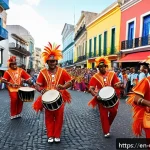
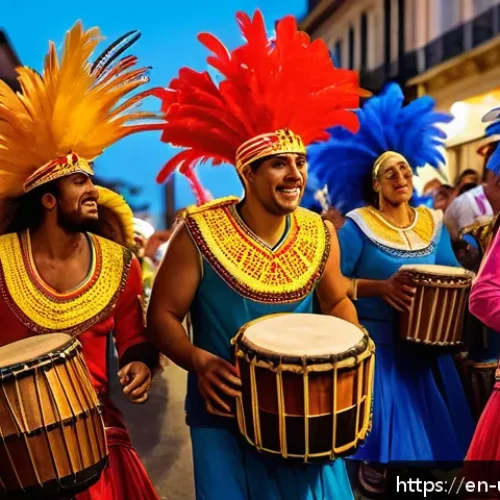
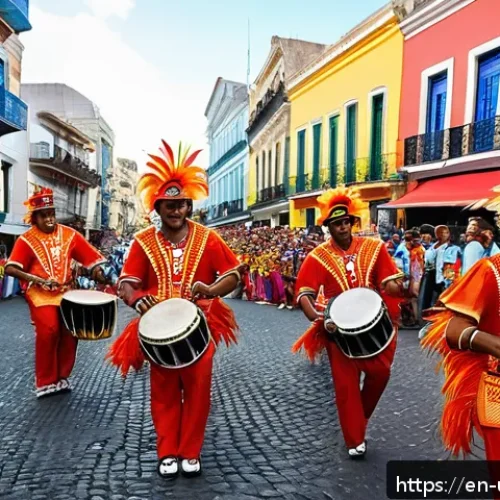
칸돔베 Candombe  전통 음악 - A vibrant street scene during the Afro-Uruguayan carnival featuring a dynamic Candombe drum ensemble...

Candombe is a vibrant musical tradition that pulses with the heartbeats of Afro-Uruguayan culture. Rooted in the rhythms brought by African slaves, it blends powerful drumming with dance and storytelling to create an immersive cultural experience.

칸돔베 Candombe  전통 음악 관련 이미지 1

This genre has not only survived but thrived, influencing modern music scenes worldwide. Experiencing Candombe feels like stepping into a lively street festival where history and rhythm collide.

Its captivating beats invite listeners to connect deeply with the stories it carries. Let’s dive in and explore the rich layers of Candombe music together!

The Heartbeat of Afro-Uruguayan Drumming

The Distinctive Drum Ensemble

When you first hear the Candombe drum ensemble, it’s impossible not to be drawn in by the layered rhythms that feel alive and organic. This unique percussion setup features three main drums: the chico, repique, and piano.

Each drum plays a specific role, weaving together a rich tapestry of sound. The chico keeps a steady, fast-paced beat that drives the rhythm forward, while the repique adds improvisational flourishes that surprise and excite the listener.

The piano drum, larger and deeper, carries the fundamental pulse, anchoring the group in a hypnotic groove. Watching the drummers perform is like witnessing a conversation where each drum voice responds dynamically, creating a powerful collective energy that’s impossible to resist.

The Role of Call-and-Response Patterns

One of the most captivating aspects of this tradition is the call-and-response style embedded in the drumming. The repique drum often “calls” with a sharp, improvisational rhythm, and the chico and piano drums “respond” with complementary patterns.

This interactive musical dialogue reflects African roots and adds a layer of complexity and spontaneity to every performance. It’s not just music; it’s a vibrant communication form, alive and evolving with each beat, shaped by the performers’ moods and the crowd’s energy.

Physicality and Dance in the Performance

Drumming in this tradition isn’t just about sound—it’s a full-body experience. Drummers stand or move in rhythm, their whole posture and breath syncing with the music.

The physical exertion is intense, and you can see the passion in their movements. This physicality connects deeply with dancers who accompany the drummers, creating a feedback loop where rhythm and movement feed each other.

The result is an immersive, communal celebration of culture and history.

Advertisement

Stories Told Through Rhythm and Movement

Historical Narratives Embedded in Beats

Every rhythm in this tradition carries echoes of history — stories of resilience, struggle, and celebration passed down through generations. The drums act as storytellers, narrating the Afro-Uruguayan experience in a language that transcends words.

These rhythms commemorate the hardships of slavery but also embody triumph and cultural survival. Experiencing these beats is like stepping into a living history lesson where the past and present merge seamlessly.

The Dance as a Storytelling Medium

Dance isn’t just an accompaniment but an integral part of the narrative. The movements tell tales of community, identity, and freedom. Each step, gesture, and body posture is imbued with meaning, often mimicking everyday actions or symbolic expressions.

The dancers’ colorful costumes and fluid motions enhance the storytelling, making the visual element just as compelling as the sound. It’s a powerful reminder that this tradition is a holistic cultural expression, combining music, dance, and social memory.

Community and Identity Expression

For many participants, engaging in this tradition is a profound act of cultural pride and identity affirmation. It fosters a sense of belonging and continuity within Afro-Uruguayan communities and beyond.

Whether performed in small gatherings or massive street parades, the music and dance unite people across generations, reinforcing shared heritage and collective memory.

Advertisement

Evolution and Global Influence

From Local Streets to Worldwide Stages

What’s remarkable is how this deeply rooted tradition has transcended its local origins. Today, you’ll find Candombe rhythms influencing contemporary music genres, from jazz to hip-hop, not only in Uruguay but around the world.

Musicians incorporate its drum patterns and energy into new compositions, blending tradition with innovation. Festivals and cultural exchanges have introduced this art form to global audiences, sparking interest and appreciation far beyond its birthplace.

Modern Adaptations and Fusion

Artists experimenting with Candombe often fuse its traditional beats with electronic music, funk, and pop, creating fresh sounds that still honor the original spirit.

This fusion has breathed new life into the genre, making it accessible to younger generations who might otherwise feel disconnected from their roots. The adaptability of the rhythm is a testament to its enduring power and relevance.

Preservation Efforts and Cultural Recognition

Despite its growing popularity, there’s a conscious effort to preserve the authenticity and cultural significance of this tradition. Organizations and cultural groups work tirelessly to document, teach, and promote this music as a living heritage.

Uruguay’s government and international bodies have recognized its value, helping to protect it from commercialization that could strip away its deeper meaning.

Advertisement

Instrument Craftsmanship and Materials

Traditional Drum Construction

The making of these drums is an art form in itself. Crafted from wood, with animal skins stretched tightly over the drumheads, each instrument is hand-made by skilled artisans.

The choice of wood, the thickness of the skin, and the tension applied all affect the sound’s quality and character. This craftsmanship preserves ancestral techniques while allowing for subtle personal touches by the makers.

The Role of Materials in Sound Quality

Natural materials contribute to the warm, resonant tones that characterize these drums. The animal skins, usually goat or cow, are carefully selected and treated to ensure durability and optimal sound.

The wooden bodies are often carved from native trees, chosen for their acoustic properties. These elements combine to produce the distinctive timbres that make the music instantly recognizable.

Maintenance and Tuning Practices

칸돔베 Candombe  전통 음악 관련 이미지 2

Drummers regularly maintain their instruments, adjusting the tension of the skins to match environmental conditions like humidity and temperature. Tuning is a delicate process that requires experience and a keen ear.

This attention to detail ensures the drums produce consistent, rich sounds during performances, highlighting the intimate relationship between musician and instrument.

Advertisement

Social and Cultural Significance in Contemporary Uruguay

Role in Festivals and Public Celebrations

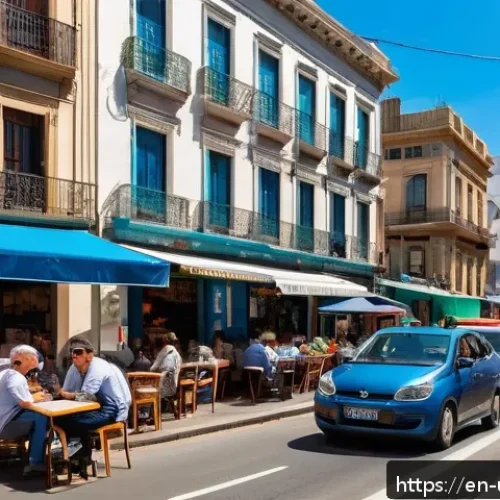
In Uruguay, this tradition remains central to many public festivities, especially during the annual carnival season. The streets come alive with drumming groups parading through neighborhoods, inviting spectators to join the celebration.

These events aren’t just entertainment—they’re acts of cultural affirmation and community solidarity, drawing locals and tourists alike into a shared experience.

Intergenerational Transmission

Families and community groups play a vital role in passing down this tradition. Children learn drumming and dance from elders in informal settings, keeping the practice vibrant and evolving.

This hands-on transmission fosters a deep emotional connection to the culture and ensures its survival across generations. It’s common to see young drummers proudly participating alongside their mentors, creating a living bridge between past and future.

Challenges and Opportunities

While deeply cherished, this tradition faces challenges such as urbanization and changing social dynamics that could disrupt its continuity. However, opportunities abound through educational programs, cultural tourism, and digital media platforms that allow the tradition to reach wider audiences.

The balance between innovation and preservation remains a dynamic dialogue within the community.

Advertisement

Understanding the Rhythmic Structure

Basic Rhythm Patterns

At the core, the rhythmic structure is based on a 3/4 or 6/8 time signature, giving it a rolling, syncopated feel. The beats interlock in a way that creates both tension and release, a musical push and pull that keeps listeners hooked.

Learning to feel this rhythm is key for anyone wanting to play or dance along authentically.

Improvisation and Variation

Although there are foundational patterns, improvisation is highly encouraged, especially by the repique drum. This spontaneity brings freshness to each performance, allowing musicians to express individuality while maintaining cohesion.

The interplay between structure and freedom is what makes the music endlessly fascinating.

Interaction Between Musicians and Audience

The rhythmic energy often spills over into the audience, who respond with clapping, singing, or dancing. This interaction creates a communal vibe where boundaries between performer and spectator blur.

It’s a participatory experience, reinforcing the social function of the music.

Advertisement

Key Instruments and Their Roles

Instrument Description Musical Role Typical Sound
Chico Smallest drum, high-pitched Keeps steady fast rhythm Sharp, crisp beats
Repique Medium-sized drum, mid-range pitch Improvisational lead, adds flourishes Bright, dynamic accents
Piano Largest drum, lowest pitch Foundation rhythm, bass-like pulse Deep, resonant tones
Advertisement

글을 마치며

Candombe drumming is more than just music; it’s a vibrant cultural heartbeat that connects history, community, and identity through rhythm and movement. Experiencing this tradition offers a deep appreciation for Afro-Uruguayan heritage and its ongoing evolution. Whether through intimate gatherings or lively festivals, the power of these drums continues to resonate worldwide, inviting everyone to join the celebration.

Advertisement

알아두면 쓸모 있는 정보

1. The three main drums in Candombe—chico, repique, and piano—each have unique roles that blend to create a dynamic, layered rhythm.

2. Call-and-response drumming is a key feature, reflecting African musical traditions and fostering lively interaction among musicians and audiences.

3. Physical movement and dance are integral, turning performances into full-body cultural expressions that engage both performers and spectators.

4. Modern artists fuse traditional Candombe rhythms with genres like electronic and hip-hop, keeping the tradition alive and relevant for new generations.

5. Preservation efforts focus on maintaining authenticity, with community teaching and government support ensuring the tradition’s survival and respect.

Advertisement

중요 사항 정리

Candombe drumming embodies a rich cultural legacy that thrives through active community involvement and continuous adaptation. Its distinctive drum ensemble and rhythmic patterns create an immersive experience that tells stories of resilience and identity. While embracing innovation, dedicated preservation ensures this living heritage remains respected and vibrant. Understanding the balance between tradition and modern influence is essential to appreciating the full significance of Candombe’s enduring rhythm.

Frequently Asked Questions (FAQ) 📖

Q: What instruments are typically used in Candombe music?

A: Candombe primarily features three types of drums known as “tambores”: chico, repique, and piano. Each drum plays a distinct role, creating interlocking rhythms that give Candombe its signature pulsating sound.
The chico keeps a steady beat, the repique adds improvisational flourishes, and the piano provides deeper bass tones. Alongside the drums, dancers and singers often join in, turning performances into lively, communal celebrations.
Having attended several Candombe festivals myself, I can say the energy created by these instruments is truly infectious.

Q: How does Candombe reflect

A: fro-Uruguayan culture? A2: Candombe is much more than just music; it’s a living expression of Afro-Uruguayan identity and history. Originating from African slaves brought to Uruguay, it has preserved their ancestral rhythms, stories, and traditions.
The communal drum circles and dances serve as a powerful way for the Afro-Uruguayan community to honor their heritage and resist cultural erasure. Experiencing Candombe firsthand, you can feel this deep sense of pride and resilience woven into every beat and movement, making it a vibrant celebration of culture and survival.

Q: Can Candombe influence modern music genres outside Uruguay?

A: Absolutely! Candombe’s distinctive rhythms have seeped into various contemporary music styles worldwide, from jazz and hip-hop to electronic music. Artists often sample its drumming patterns or incorporate its syncopated beats to add a unique Afro-Uruguayan flavor to their work.
When I first heard Candombe elements in a popular international track, it was clear that this tradition’s influence is expanding beyond its origins, helping to diversify and enrich the global music scene.
Its infectious groove makes it a favorite for producers looking to blend cultural authenticity with modern sounds.

📚 References


➤ Link

– Google Search

➤ Link

– Bing Search

➤ Link

– Google Search

➤ Link

– Bing Search

➤ Link

– Google Search

➤ Link

– Bing Search

➤ Link

– Google Search

➤ Link

– Bing Search

➤ Link

– Google Search

➤ Link

– Bing Search

➤ Link

– Google Search

➤ Link

– Bing Search

➤ Link

– Google Search

➤ Link

– Bing Search

➤ Link

– Google Search

➤ Link

– Bing Search