Unveiling Uruguay’s Rhythmic Heartbeat: A Guide to Its Music and Traditional Dances

webmaster

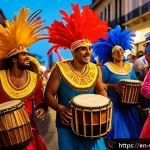
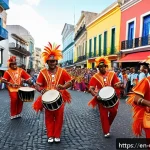
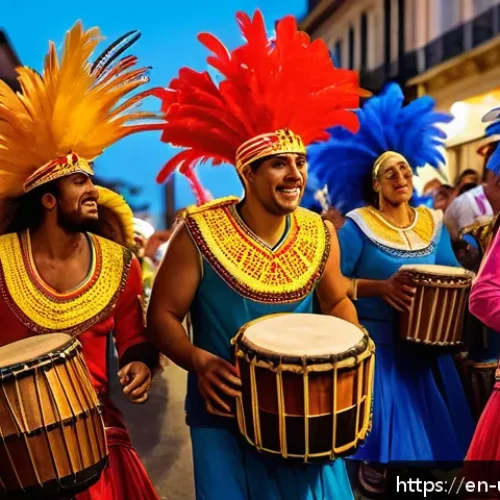
우루과이 음악과 전통 춤 - **Candombe Street Celebration in Montevideo:**
    A vibrant and energetic scene depicting a "Llamad...

Have you ever felt the rhythm of a culture course through your veins, telling stories of history, resilience, and pure joy? That’s exactly what I experienced diving into the heart of Uruguay.

This vibrant South American gem isn’t just about stunning landscapes; it’s a profound cultural tapestry woven with sounds and movements that truly captivate your soul.

From the moment I first heard the pulsating drums of Candombe echo through Montevideo’s streets, I knew I was witnessing something ancient yet incredibly alive.

This isn’t just music; it’s a powerful legacy from Afro-Uruguayan communities, a UNESCO-recognized tradition that continues to ignite passion and unity in its rhythmic calls and energetic dances.

Then there’s the captivating Murga, a unique musical theater that absolutely explodes with humor, satire, and thought-provoking social commentary, especially during Carnival.

It’s truly a spectacle of vocal harmonies and vibrant costumes, a tradition constantly reinvented by younger generations who bring fresh energy and a modern edge to these deeply rooted art forms.

You’ll find these incredible traditions, alongside the elegant steps of Tango and the soulful Milonga, evolving and thriving, inviting everyone to experience their profound emotional depth.

This living, breathing culture is something truly special, a blend of indigenous, European, and African influences that paints a picture of a nation proud of its past and excited for its future.

If you’re ready to explore how these captivating sounds and movements shape Uruguay’s identity and continue to draw in fans worldwide, you’re in for an absolute treat.

Let’s explore this incredible world of Uruguayan music and traditional dance in detail.

The Pulsating Heartbeat of Montevideo: Candombe’s Enduring Legacy

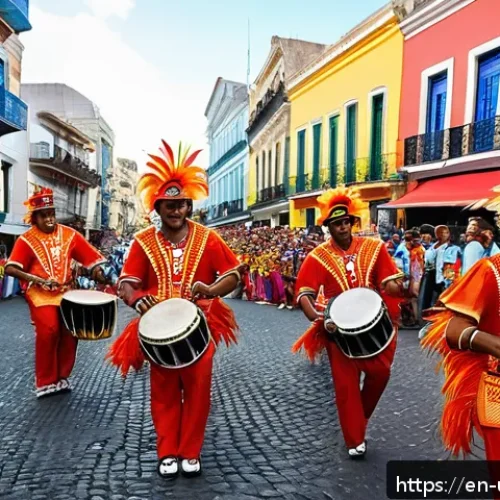
우루과이 음악과 전통 춤 - **Candombe Street Celebration in Montevideo:**
    A vibrant and energetic scene depicting a "Llamad...

Echoes from Africa: A History of Resilience

When I first stepped onto the cobblestone streets of Montevideo, I wasn’t just walking through a city; I was stepping into a living museum of sound. The deep, resonant thrum of Candombe drums, echoing from the Barrio Sur and Palermo neighborhoods, felt like a primal call, a direct lineage to the enslaved Africans who brought their rhythms and resilience to Uruguay centuries ago.

This isn’t just music; it’s a profound act of remembrance and cultural survival. I remember watching a “Llamada” – a Candombe parade – and feeling the sheer force of history and community.

The sheer dedication of the drummers, known as “tamborileros,” playing their chico, repique, and piano drums, creates a polyrhythmic tapestry that tells stories without words.

It’s a powerful experience, reminding you of the human spirit’s capacity to endure and celebrate even in the face of immense adversity. You can’t help but feel a deep connection to the past, a vibrant energy that has been passed down through generations, still burning bright in every beat.

The Call of the Drums: Instruments and Community

What truly struck me about Candombe was its communal spirit. It’s not just a performance; it’s an invitation to participate. The distinct sounds of the three drum types – the high-pitched ‘chico’ providing the base rhythm, the ‘repique’ adding syncopated improvisation, and the ‘piano’ laying down the deep, resonant bass line – blend into a hypnotic pulse.

Walking alongside a comparsa, feeling the ground vibrate beneath my feet, I saw people of all ages, dancing, singing, and simply reveling in the moment.

The energy is infectious, drawing you in whether you’re a local or a curious traveler like me. It’s a spontaneous burst of joy, a vibrant expression of identity and belonging.

The ‘cuareim’ rhythm, for instance, has a particular way of getting into your bones, making you want to move. It’s truly an embodiment of collective memory and vibrant contemporary culture, a testament to how music can bind a community together and celebrate its roots with undeniable pride.

It’s an authentic, raw experience that genuinely touched my soul.

Carnival’s Grand Spectacle: The Wit and Wisdom of Murga

More Than Just a Show: Satire, Song, and Social Commentary

If Candombe is the heartbeat, then Murga is the vibrant, witty voice of Uruguay. I had the absolute pleasure of experiencing Carnival in Montevideo, and let me tell you, Murga groups are something else entirely.

Imagine a chorus of voices, often dressed in incredibly elaborate, colorful costumes and makeup, delivering a theatrical performance that is equal parts humor, sharp social satire, and breathtaking vocal harmonies.

They sing about current events, politics, and the everyday struggles and triumphs of Uruguayan life, often with a biting wit that makes you laugh and think at the same time.

I was particularly impressed by how they manage to distill complex issues into catchy, memorable songs, making them accessible to everyone. It’s a uniquely Uruguayan art form that really highlights the intelligence and creativity of its people.

There’s a certain magic in watching a Murga performance; it feels like you’re getting an uncensored, artistic snapshot of the national psyche, delivered with incredible musicality and theatrical flair.

It’s truly a masterclass in performance and storytelling.

Behind the Painted Faces: Dedication and Rehearsal

What you see on stage during Carnival is just the tip of the iceberg when it comes to Murga. I had the chance to speak with a few Murga members, and their dedication is absolutely astonishing.

These groups spend months, sometimes even a full year, meticulously rehearsing their songs, perfecting their harmonies, crafting their lyrics, and designing their intricate costumes.

It’s an intense, collaborative process, often taking place in community centers or shared spaces late into the night. The bond between members is palpable; it’s like a second family, united by their passion for this unique art form.

The ‘director escénico’ plays a crucial role, shaping the narrative and ensuring every vocal nuance is perfect. When you see them perform, with their synchronized movements and powerful voices, you realize the immense effort and passion poured into every single show.

It’s a testament to the Uruguayan spirit of community, artistry, and a deep-seated desire to express themselves and reflect on their society through art.

It’s not just entertainment; it’s a vital cultural tradition that demands respect and admiration.

Advertisement

Beyond the Spotlight: Intimate Dances of Tango and Milonga

The Uruguayan Tango: A Distinct Embrace

While many associate Tango primarily with Argentina, experiencing it in Montevideo revealed a subtly distinct flavor, a slightly different embrace, and a captivating emotional depth that is uniquely Uruguayan.

I discovered that Tango here often feels a bit more grounded, perhaps a touch less theatrical than its Buenos Aires counterpart, but no less passionate.

I remember attending a “milonga” – a Tango social dance event – in a dimly lit, cozy venue. The air was thick with anticipation, and as the couples took to the floor, their movements were fluid, elegant, and intensely personal.

It’s a dance that tells a story of connection, longing, and subtle communication between partners. The music, rich with bandoneon and strings, pulls at your heartstrings in a way few other art forms can.

It’s not about flashy steps; it’s about the feeling, the connection, the ‘abrazo’ (embrace). For me, it was a truly intimate glimpse into the soul of Uruguayan romanticism and artistry, a beautiful counterpoint to the boisterous energy of Candombe and Murga.

Milonga: The Soulful Precursor

Before there was Tango as we know it, there was Milonga. And in Uruguay, Milonga isn’t just a type of event; it’s also a distinct musical and dance style that holds a special place.

It’s often faster, more rhythmic, and has a playful, sometimes melancholic, quality that I found utterly charming. It feels like the raw, unfiltered emotional essence from which Tango later evolved.

I vividly recall watching experienced dancers effortlessly glide through milonga steps, their feet tapping out intricate rhythms, their bodies moving with an understated elegance.

It’s less about rigid patterns and more about improvisation and the joyful connection to the music. Understanding Milonga truly deepened my appreciation for Tango, showing me its roots and the continuous evolution of these partner dances.

Attending a milonga (the event) gives you the unique opportunity to see both Tango and Milonga (the dance) performed and even try a few steps yourself.

It’s an essential experience if you want to truly grasp the nuances of Uruguayan partner dancing, feeling the very pulse of its emotional landscape.

Art Form Origin/Influence Key Characteristics Typical Setting
Candombe Afro-Uruguayan (African diaspora) Pulsating drum rhythms (chico, repique, piano), group dance, parades (Llamadas), community celebration, UNESCO recognized. Montevideo streets (Barrio Sur, Palermo), Sunday evenings, Carnival.
Murga European theatrical traditions (Spain, Italy), local satire Choral singing, elaborate costumes/makeup, social and political satire, humor, strong vocal harmonies, Carnival focus. “Tablados” (stages), theaters, during Carnival season.
Tango Rioplatense (Uruguayan/Argentine), European, African influences Intimate partner dance, elegant, dramatic, focus on embrace and connection, music with bandoneon and strings. Milongas (dance halls), cultural centers, smaller venues.
Milonga (Dance) Precursor to Tango, folk roots Faster, more rhythmic partner dance, often playful or melancholic, improvisational, less structured than Tango. Milongas (dance halls), often alongside Tango.

The Rhythmic Tapestry: Blending Influences in Uruguayan Sound

European Melodies Meet Indigenous Rhythms

Uruguay’s musical landscape is a testament to its rich history of cultural convergence. What struck me most was how seamlessly different influences have been woven together over centuries.

You can hear echoes of European folk tunes, particularly from Spain and Italy, blending with indigenous sounds that predate colonial times. This isn’t just an academic observation; it’s something you feel in the very fabric of the music.

Take, for instance, the intricate guitar work often heard in folk songs, which carries a distinctly European classical tradition, yet it’s often accompanied by percussive elements or vocal inflections that hint at older, local traditions.

It creates a unique sonic signature that feels both familiar and exotic, a beautiful representation of a nation built on diverse heritage. This fusion is what gives Uruguayan music its distinctive character, preventing it from sounding like anything else I’ve encountered.

It’s a truly captivating experience to trace these threads and see how they form such a vibrant and cohesive whole.

African Roots, Global Branches

Beyond the European and indigenous influences, the indelible mark of African culture, primarily through Candombe, is arguably the most defining characteristic of Uruguayan music.

The rhythms and drumming techniques brought by enslaved people from Africa not only survived but thrived, adapting and evolving to become a cornerstone of the nation’s identity.

What’s fascinating is how these deep African roots have branched out, influencing even seemingly disparate genres. You can detect Candombe’s rhythmic complexity in contemporary Uruguayan pop, rock, and even jazz.

It’s not always overt; sometimes it’s a subtle syncopation, a particular drum pattern, or the improvisational spirit. This ongoing dialogue between traditional African rhythms and modern musical expressions makes Uruguay a fertile ground for innovation.

I’ve heard local bands effortlessly blend traditional ‘llamadas’ with electric guitars and synthesizers, creating something entirely new yet deeply rooted.

It’s a testament to the enduring power and adaptability of these fundamental rhythms, showing how a culture can continuously reinvent itself while staying true to its origins.

Advertisement

Modern Beats, Ancient Roots: Evolution of Uruguayan Traditions

우루과이 음악과 전통 춤 - **Murga Carnival Performance on a Tablado:**
    A theatrical Murga group performing on an outdoor "...

Young Blood, New Interpretations

One of the most exciting aspects of Uruguayan traditional music and dance is its dynamic evolution. It’s not static; it’s a living, breathing art form constantly being reinterpreted by younger generations.

I observed this particularly with Murga groups, where young artists bring fresh perspectives, modern references, and often a renewed political edge to their performances.

They experiment with new vocal arrangements, incorporate contemporary dance moves, and even use digital media in their presentations, all while respecting the foundational elements of the tradition.

This constant infusion of “new blood” ensures that these art forms remain relevant and engaging to a contemporary audience. It’s incredibly inspiring to see how these traditions are not just preserved but actively pushed forward, preventing them from becoming mere historical artifacts.

This youthful energy is crucial; it keeps the culture vibrant, ensures its longevity, and continually expands its appeal, both domestically and internationally.

It gives me so much hope for the future of these rich cultural expressions.

Preserving the Past, Shaping the Future

While innovation is clearly embraced, there’s also a deep-seated commitment to preserving the authenticity and historical integrity of these traditions.

Cultural institutions, community centers, and passionate individuals play a vital role in educating new generations about the origins, techniques, and significance of Candombe, Murga, Tango, and Milonga.

Workshops are common, both for locals and visitors, ensuring that the knowledge and skills are passed down faithfully. For example, Candombe drumming circles often include children learning alongside adults, a beautiful sight that highlights intergenerational cultural transfer.

This balance between honoring the past and embracing the future is what makes Uruguay’s cultural scene so compelling. It’s a conscious effort to safeguard their heritage while allowing it to adapt and flourish in a modern world.

It’s not just about replicating what came before; it’s about understanding its essence and finding new ways to express that essence, ensuring that these captivating sounds and movements continue to tell Uruguay’s story for generations to come.

Experience It Yourself: Diving into Uruguay’s Musical Soul

Finding Your Rhythm: Where to Witness the Magic

If you’re reading this, you’re probably already feeling the pull, just like I did. Trust me, experiencing these traditions firsthand is an absolute must.

For Candombe, the best place to catch a “Llamada” is often in the Barrio Sur or Palermo neighborhoods of Montevideo, especially on Sunday evenings. You just follow the sound of the drums!

During Carnival season (January to March), the entire city transforms, and you can catch Murga performances in various “tablados” (outdoor stages) or the grand “Desfile Oficial de Carnaval.” For Tango and Milonga, seek out local “milongas” or cultural centers.

Many smaller, more intimate venues offer a truly authentic experience. Don’t be shy about asking locals for recommendations; they are incredibly proud of their culture and usually eager to point you in the right direction.

There are also annual festivals dedicated to these art forms, which are fantastic opportunities for immersion. The sheer joy of being there, feeling the energy, is something you simply can’t get from a recording.

Learning the Steps: Workshops and Milongas for Visitors

And here’s a little secret: you don’t just have to be an observer! One of my most cherished memories was taking an introductory Tango lesson in Montevideo.

It was a little intimidating at first, but the instructors were so patient and encouraging. Many places offer workshops specifically designed for tourists, covering basic steps for Tango, Milonga, and sometimes even a taste of Candombe drumming.

Attending a milonga as a beginner can feel daunting, but many locals are very welcoming and happy to guide you. It’s an incredible way to connect with the culture on a deeper, more personal level.

Don’t worry about being perfect; it’s about the experience, the connection, and the sheer joy of movement. Even if you only learn a few basic steps, it changes how you perceive and appreciate the dance forever.

Taking a piece of the rhythm home with you, not just in your memory but in your feet, is truly priceless.

Advertisement

Why These Rhythms Resonate: A Personal Connection

Feeling the Vibe: The Unforgettable Energy

Why do these Uruguayan rhythms and dances leave such an indelible mark? For me, it’s the raw, unfiltered emotion they evoke. Candombe’s drums speak of history, struggle, and fierce pride, making your very bones vibrate with its power.

Murga’s satirical songs make you laugh, then think, offering a poignant mirror to society. And Tango and Milonga, with their intimate embraces and soulful melodies, whisper stories of love, loss, and longing.

There’s an authenticity to it all, a palpable sense that these aren’t just performances but vital expressions of a national soul. I’ve traveled extensively, but few cultures have managed to captivate me with such a diverse yet harmonious blend of tradition and contemporary spirit.

It’s an energy that is genuinely infectious, leaving you feeling more alive, more connected to the human experience. It’s truly a testament to the power of art to transcend language and touch the deepest parts of us.

Bringing Uruguay Home: My Lasting Impressions

Leaving Uruguay, I carried more than just souvenirs; I carried the echoes of its rhythms in my heart. The memory of Candombe drums, the witty lyrics of Murga, and the elegant sway of Tango dancers became part of my own personal soundtrack.

This journey wasn’t just about witnessing cultural events; it was about participating in them, feeling the pulse of a nation proud of its heritage and vibrant in its present.

I often find myself thinking back to the warmth of the people, their generosity in sharing their traditions, and the sheer passion that fuels every beat and step.

These experiences reshaped my understanding of Latin American culture, highlighting the unique contributions of Uruguay. If you ever have the chance, immerse yourself in this incredible world.

You’ll not only discover beautiful music and dance but also a profound sense of connection to a resilient and joyous spirit. It’s an adventure for the senses, an education for the soul, and frankly, an experience that I believe everyone should have.

Wrapping Things Up

And there you have it, folks! My journey through the pulsating rhythms and captivating dances of Uruguay was truly an experience that redefined my understanding of cultural immersion. From the soul-stirring thrum of Candombe drums echoing through Montevideo’s historic streets to the witty, theatrical brilliance of Murga during Carnival, and the intimate, passionate embrace of Tango and Milonga, every moment felt like a deep dive into the nation’s very soul. It’s a land where tradition isn’t just preserved; it’s a living, breathing entity, constantly celebrated and reinterpreted by each new generation. Trust me, the sheer joy and vibrant energy I encountered here are something that stays with you long after you’ve left its shores, a beautiful reminder of the power of art to tell stories and connect us all.

Advertisement

Handy Tips for Your Uruguayan Adventure

1. Timing is everything, especially if you want to catch the full spectacle of Murga and the grand Candombe parades. Aim for Carnival season, which typically runs from late January through early March. However, you can experience spontaneous Candombe “Llamadas” (parades) in neighborhoods like Barrio Sur and Palermo almost every Sunday evening throughout the year, truly a local treat.

2. Don’t be afraid to jump in and participate! Many local cultural centers and dedicated dance schools offer introductory workshops for Tango and Milonga, even for absolute beginners like I was. For Candombe, simply finding a drum circle and feeling the rhythm with the community is often enough to feel included and share in the incredible energy.

3. Always check local listings or ask your hotel concierge for the most up-to-date information on performances, milongas (Tango dance events), and Candombe gatherings. Information can sometimes be word-of-mouth, especially for the more authentic, spontaneous events, so engaging with locals is your best bet.

4. Be prepared to walk a lot, particularly if you’re chasing the sound of Candombe drums through the charming, albeit sometimes hilly, streets of Montevideo. Comfortable shoes are an absolute must, not just for exploring but also if you plan on dancing the night away at a milonga.

5. While Montevideo is undoubtedly the cultural hub, consider exploring smaller towns if your itinerary allows. You might stumble upon unique local variations of folk music and dance that offer a different, perhaps even more intimate, perspective on Uruguay’s rich artistic tapestry. Every region has its own subtle flavors to discover.

Key Takeaways from Uruguay’s Cultural Heartbeat

My journey through Uruguay’s vibrant cultural landscape has left me with a profound appreciation for its resilience, creativity, and unwavering spirit. What really struck me was the dynamic interplay between deep-rooted traditions and contemporary innovation. Candombe, with its ancestral African rhythms, stands as a powerful testament to survival and community, while Murga offers a uniquely Uruguayan blend of sharp wit, social commentary, and heartwarming harmony. And then there’s Tango and Milonga, dances that speak a universal language of passion and connection, offering a distinctively Uruguayan embrace. These aren’t just performances; they are vital expressions of identity, constantly evolving yet firmly grounded in history. The dedication of the artists, the warmth of the community, and the sheer infectious joy found in these art forms make Uruguay an unforgettable destination for anyone seeking an authentic and deeply moving cultural experience. It’s a place where every beat and every step tells a story, inviting you to listen, learn, and perhaps even dance along.

Frequently Asked Questions (FAQ) 📖

Q: Candombe is mentioned as a powerful, ancient tradition. What exactly makes it so captivating, and what’s its deeper significance in Uruguayan culture?

A: Oh, Candombe! From the moment those drums hit you, it’s just pure magic, a feeling that rushes right through you. I remember standing in Montevideo’s streets, hearing the chico, repique, and piano drums creating this incredible, pulsating rhythm, and it was absolutely electrifying.
What makes it so captivating, in my honest opinion, is its raw authenticity and the sheer collective joy it brings. It’s not just a performance; it’s a living, breathing connection to history.
Its deeper significance lies in its roots with Afro-Uruguayan communities. It’s a powerful legacy of resilience, celebration, and unity, a tradition that earned UNESCO recognition because it truly represents the soul of a people.
When you witness it, you’re not just watching; you’re feeling a story being told, a powerful call for togetherness that has endured for generations. It’s an experience that really sticks with you, a truly profound part of the Uruguayan identity.

Q: Murga sounds like such a unique form of musical theater. How does it manage to blend humor and satire with important social commentary, especially during Carnival?

A: Murga is truly a phenomenon, and honestly, it blew me away during Carnival! What makes it so brilliant is this incredible ability to be laugh-out-loud funny one moment and then, just as quickly, hit you with a really sharp, insightful observation about society.
They are absolute masters of wit and satire. I’ve seen groups where their vocal harmonies are just breathtaking, and then you realize they’re delivering these hilariously pointed criticisms or thought-provoking social commentaries.
It’s like a vibrant, living newspaper, but set to music and bursting with flamboyant costumes and incredible energy. What’s amazing is how younger generations keep it fresh, injecting modern themes and a contemporary edge, ensuring it remains relevant and impactful.
It’s not just entertainment; it’s a vital, artistic outlet for social reflection, and it really gets people talking. That blend of pure theatrical joy with such a clever, critical voice is what makes Murga an unforgettable experience.

Q: Beyond the incredible Candombe and Murga, what other traditional sounds or dances contribute to Uruguay’s rich cultural tapestry, and how do all these influences come together?

A: While Candombe and Murga certainly command attention, Uruguay’s cultural tapestry is wonderfully rich and diverse, offering even more for your ears and feet!
You absolutely can’t forget about Tango and Milonga. While often associated with Argentina, these elegant and deeply emotional dances also have a strong, cherished presence in Uruguay.
I’ve been mesmerized by the passionate, intricate steps of Tango and felt the soulful, more grounded rhythms of Milonga, often performed in intimate settings.
What really struck me about them here is the raw emotional depth you can feel, it’s truly a dance that tells a story without words. The way all these influences come together—indigenous roots, European traditions, and the undeniable power of African legacies—is what makes Uruguay’s culture so profoundly special.
It’s a beautiful, living fusion, creating a national identity that is proud, vibrant, and constantly evolving. Every beat, every step, every harmony is a thread in this captivating tapestry, inviting you to dive in and experience its profound emotional resonance.

Advertisement